
9 lessons
Emotional Development
Big feelings, anxiety, resilience, and your own calm.

Emotional Development
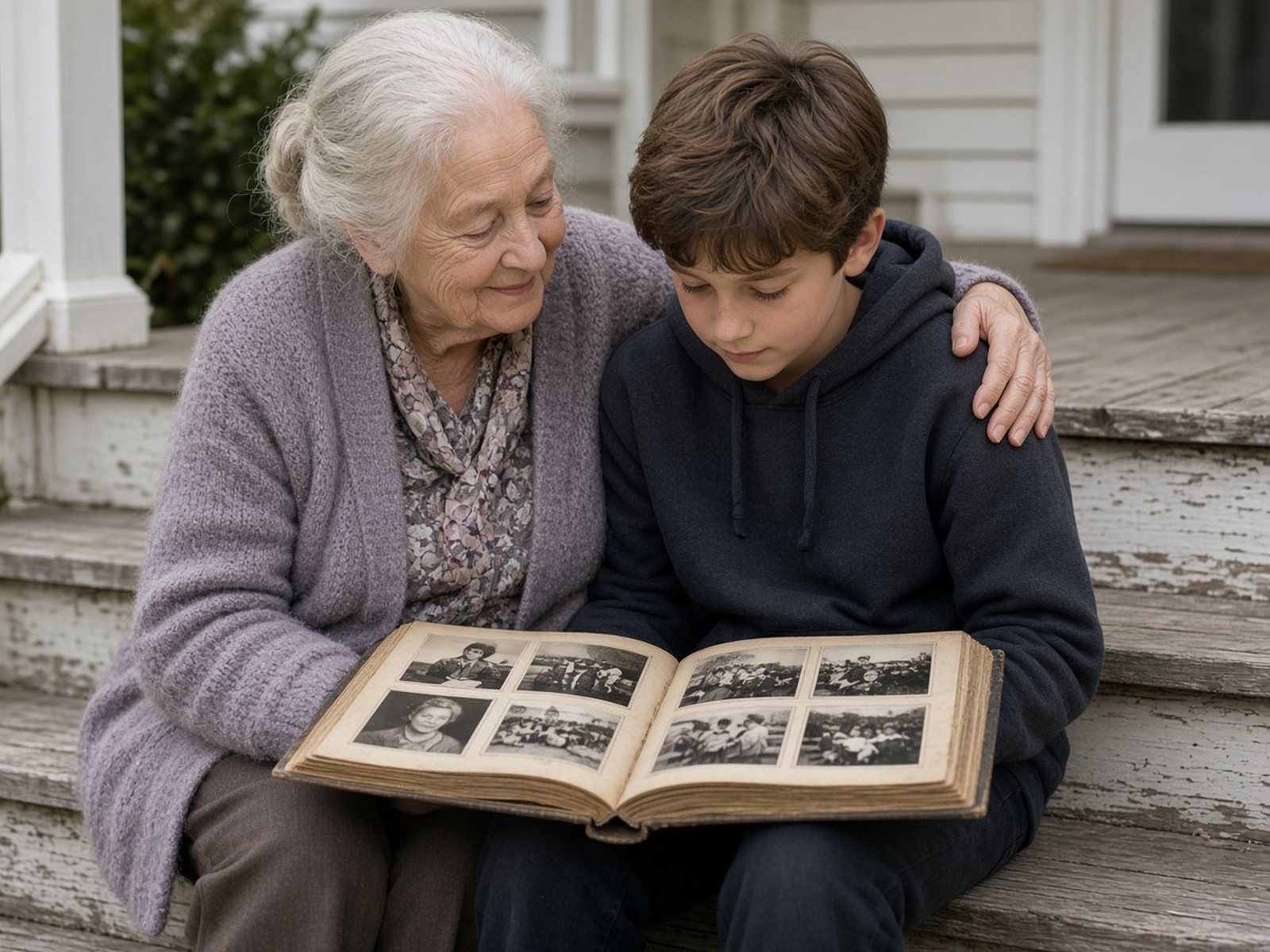
Perfectionism in kids: how to ease the pressure without lowering the bar
Perfectionism has risen among young people, and kids' sense of their parents' expectations has risen with it. Here's how to help a child care about doing well without fearing every mistake.
Emotional Development
Helping kids through grief: how to talk about death and what to expect
Use clear words like "died," answer questions honestly, and expect grief to come and go. Kids grieve differently than adults, and they do best with steady, honest support.

Emotional Development
Building resilience in kids: what actually helps children bounce back
Resilience isn't a rare trait some kids are born with. It grows from steady relationships, manageable challenges, and chances to solve problems with a safety net nearby.

Emotional Development
Body image and eating disorders: what to say, what to skip, and when to worry
Kids pick up how to feel about their bodies from the world, their phones and the dinner table. Here's how to build a healthier relationship with food and bodies at home, and the signs that mean it's time to get help.
Emotional Development
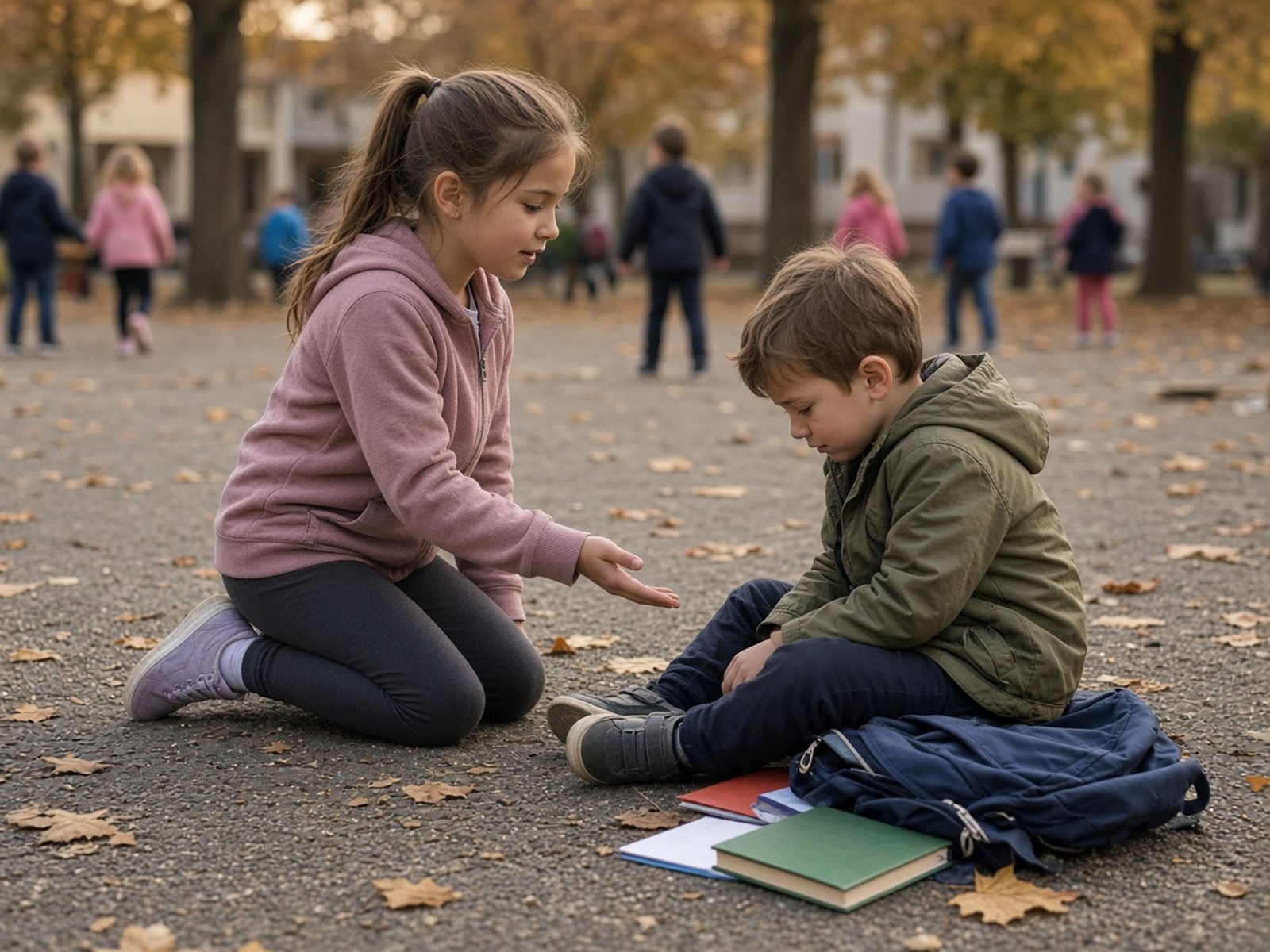
Raising a kind kid: how empathy actually grows, and what parents can do
Even toddlers try to help. Empathy grows when kids see it modeled, get to practice it, and hear that caring about others actually matters to you.

Emotional Development
Mental health warning signs in teens, and how to ask about suicide
Moodiness is normal. Some changes aren't. Here's how to tell the difference, how to ask your teen directly if they're thinking about suicide, and where to get help, including 988.
Emotional Development
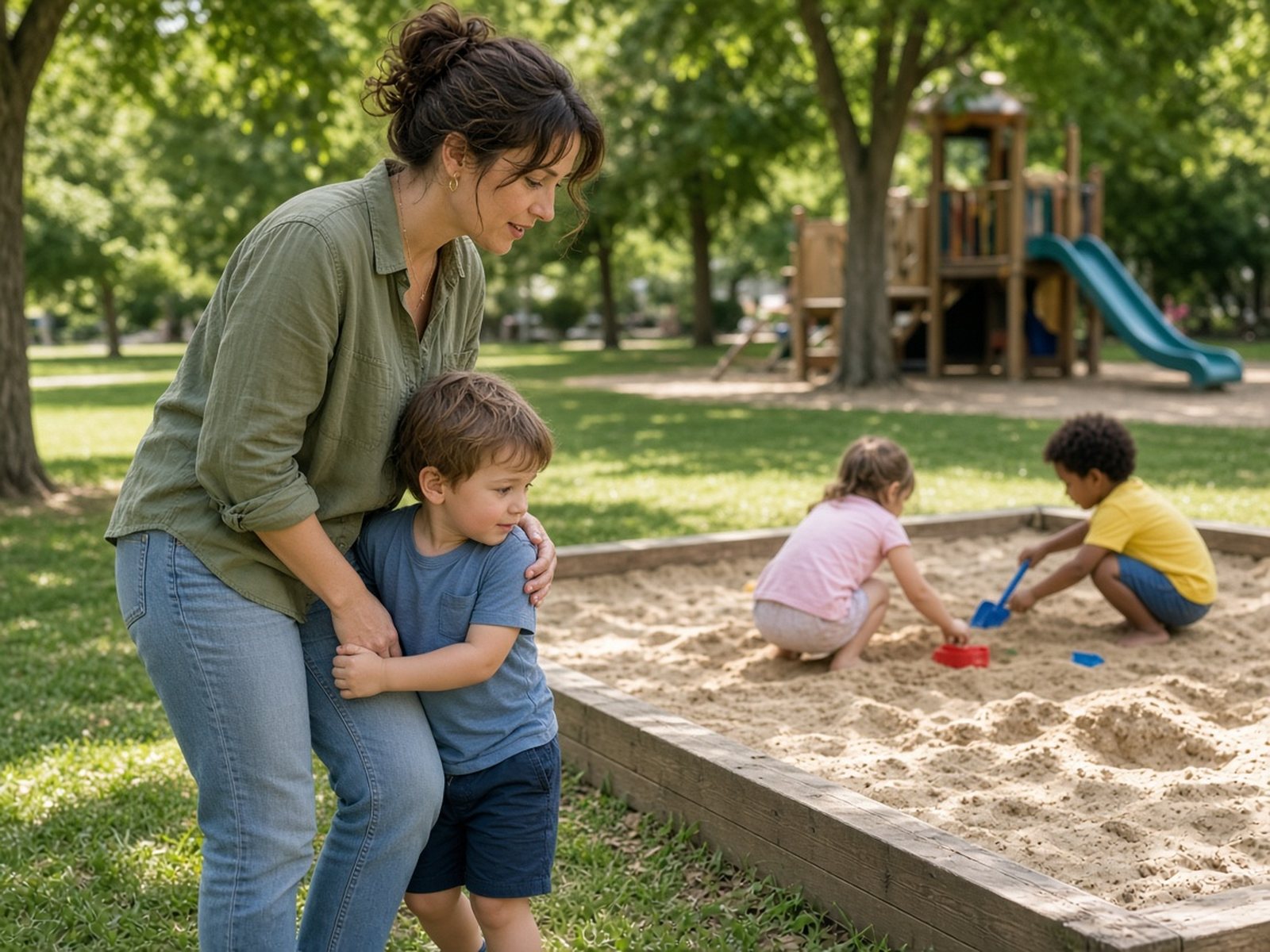
The shy child: how to help without pushing too hard or protecting too much
Shyness is a temperament, not a flaw. Shy kids do best with warm encouragement and small, steady steps, not labels, pressure, or being rescued from every new situation.
Emotional Development
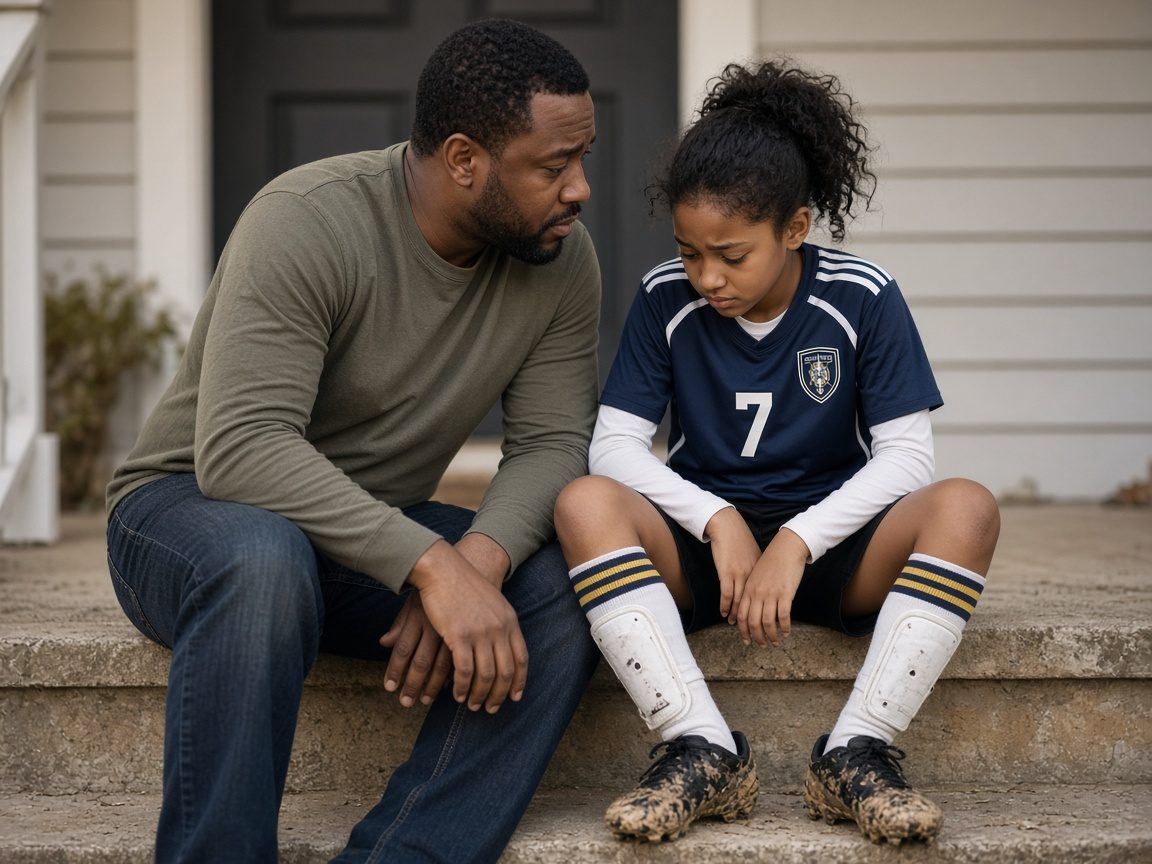
Emotion coaching: helping kids handle big feelings without squashing them
John Gottman's research found that how parents respond to sadness and anger shapes children's later skills. Here are the five steps he identified, with real examples.

Emotional Development
When your child is anxious: why less accommodation helps more
Loving parents naturally rearrange family life around a child's fears. A Yale-developed program shows that gently scaling that back, with lots of warmth, can reduce anxiety as much as therapy for the child.


The weekly letter
The “Repair After a Blowup” card, free.
A one-page printable for the fridge, plus one short research-backed lesson a week. No spam, unsubscribe any time.