
45 lessons
School-age (ages 6–9)
Lessons for parents of school-ages, across all eight pillars.

Co-parenting & Family
Sibling rivalry: how to handle the fighting without becoming the referee
Stop the hurting, skip the verdict, and coach them to solve it. Kids fight less when they don't have to compete for you, and when nobody is cast as the good one.

Co-parenting & Family
How to tell your kids about divorce, and help them through it
Tell them together if you can, keep it simple and honest, and make it clear it's not their fault. Most kids adjust well over time, especially when parents keep conflict away from them.
Toddler & Preschool
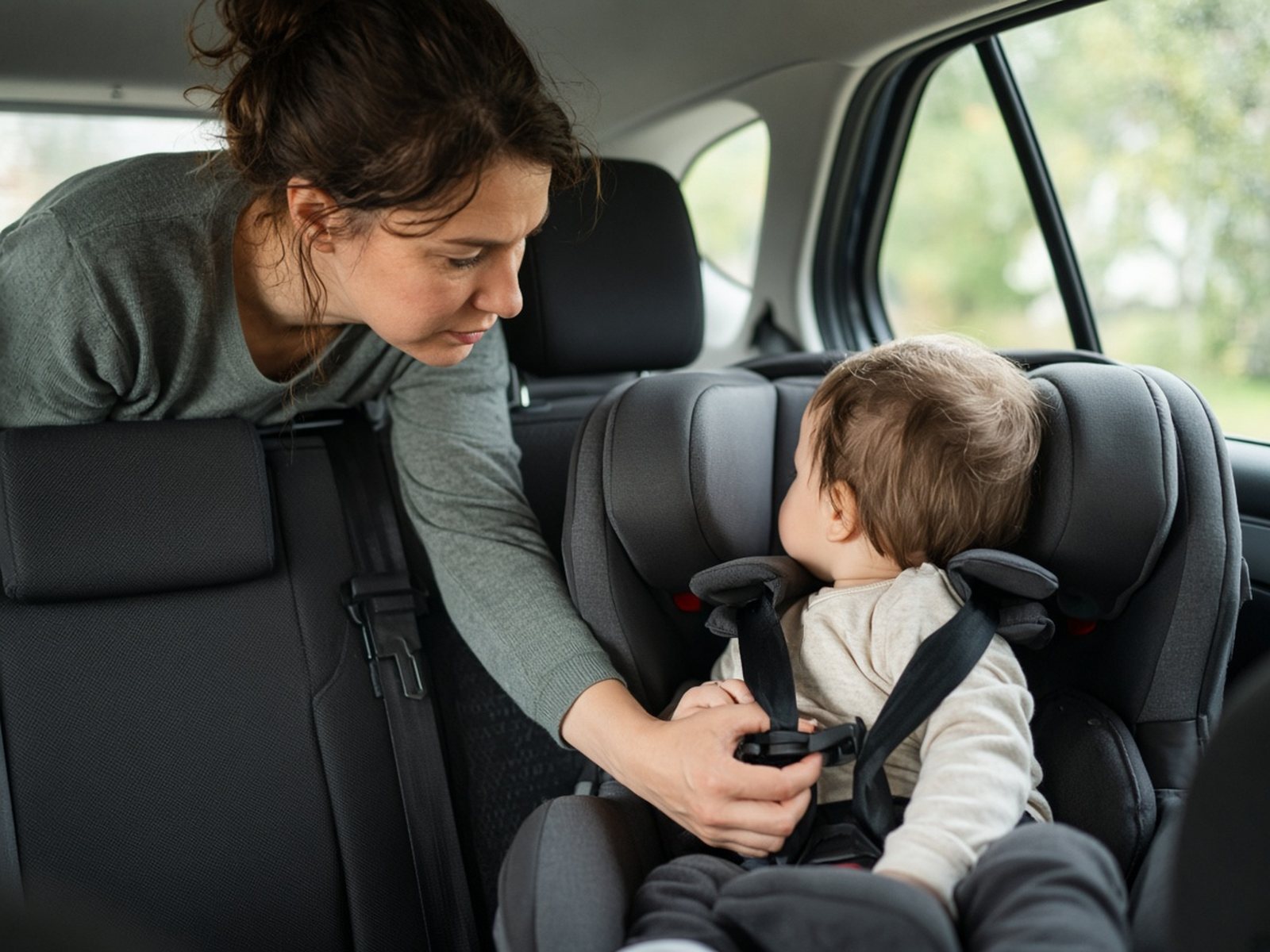
Car seat stages: rear-facing, forward-facing, booster, and when to move up
Keep your child in each car seat stage as long as the seat allows, rather than moving up as soon as they hit a minimum. Rear-facing first, then forward-facing with a harness, then a booster until the seat belt fits.
School Years
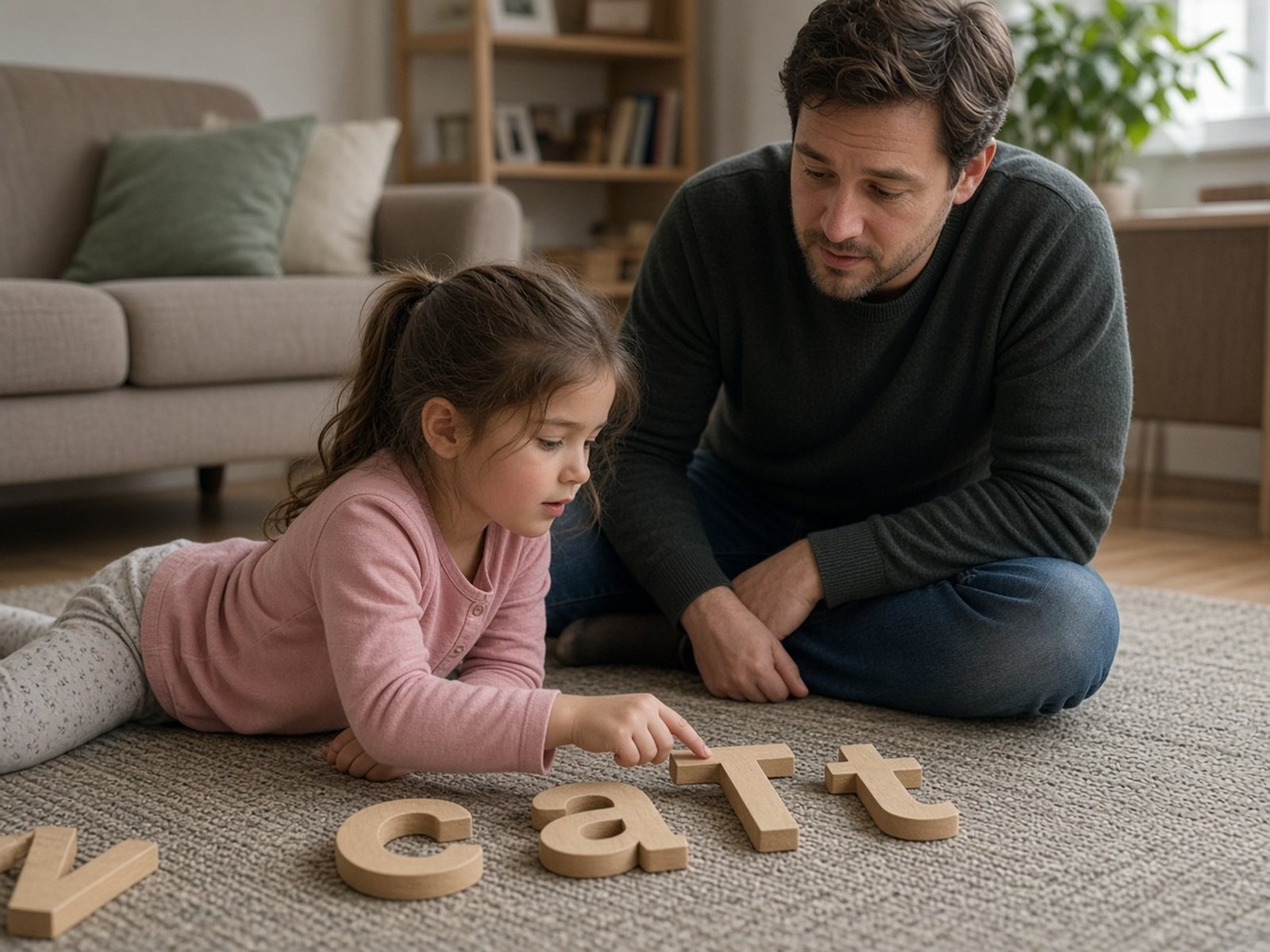
Signs of dyslexia, and how to get your child evaluated
Dyslexia is a common, lifelong difference in how the brain processes written language. It has nothing to do with intelligence, and early, structured reading help makes a real difference.

Emotional Development
Perfectionism in kids: how to ease the pressure without lowering the bar
Perfectionism has risen among young people, and kids' sense of their parents' expectations has risen with it. Here's how to help a child care about doing well without fearing every mistake.
School Years
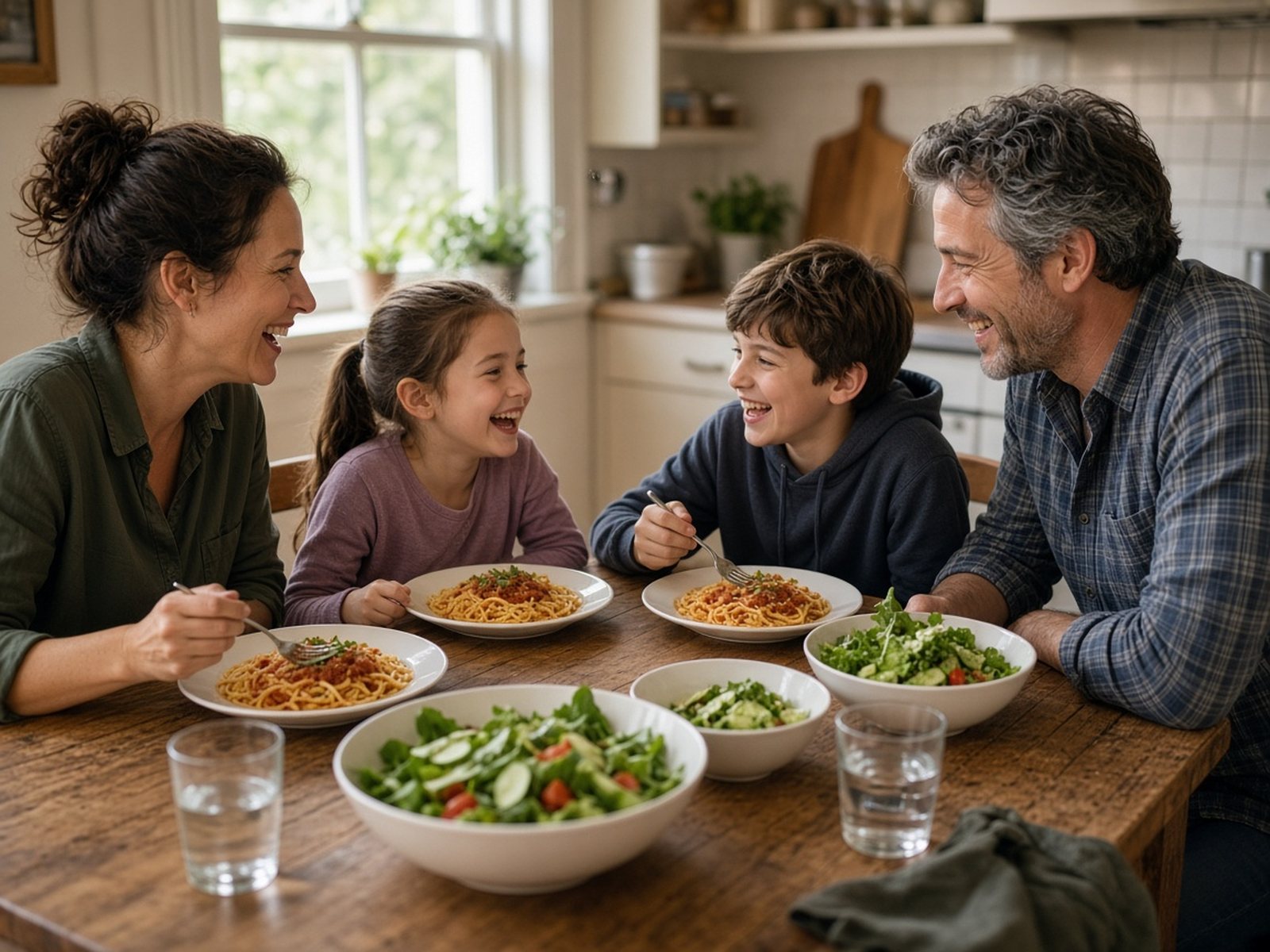
Family meals: why eating together matters more than what's on the plate
Kids who share regular family meals tend to eat better, and the table gives you a daily, low-pressure place to talk. It doesn't have to be dinner, and it doesn't have to be fancy.
Toddler & Preschool
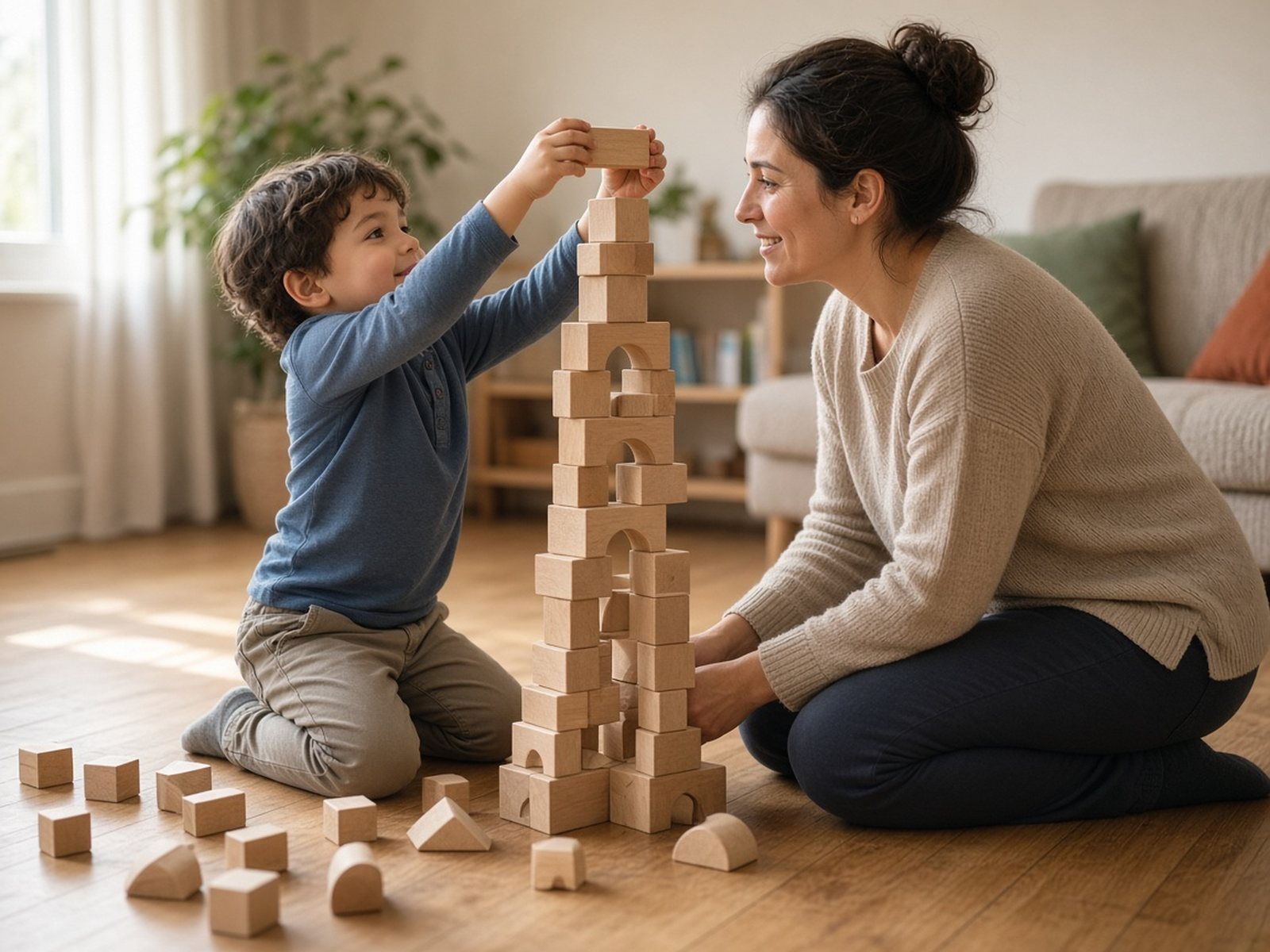
Why play matters so much for young kids, and how to join in
Play isn't a break from learning. For young children it is learning, and the American Academy of Pediatrics says doctors should prescribe it. Here's how to make room for it.
Discipline Without Fear
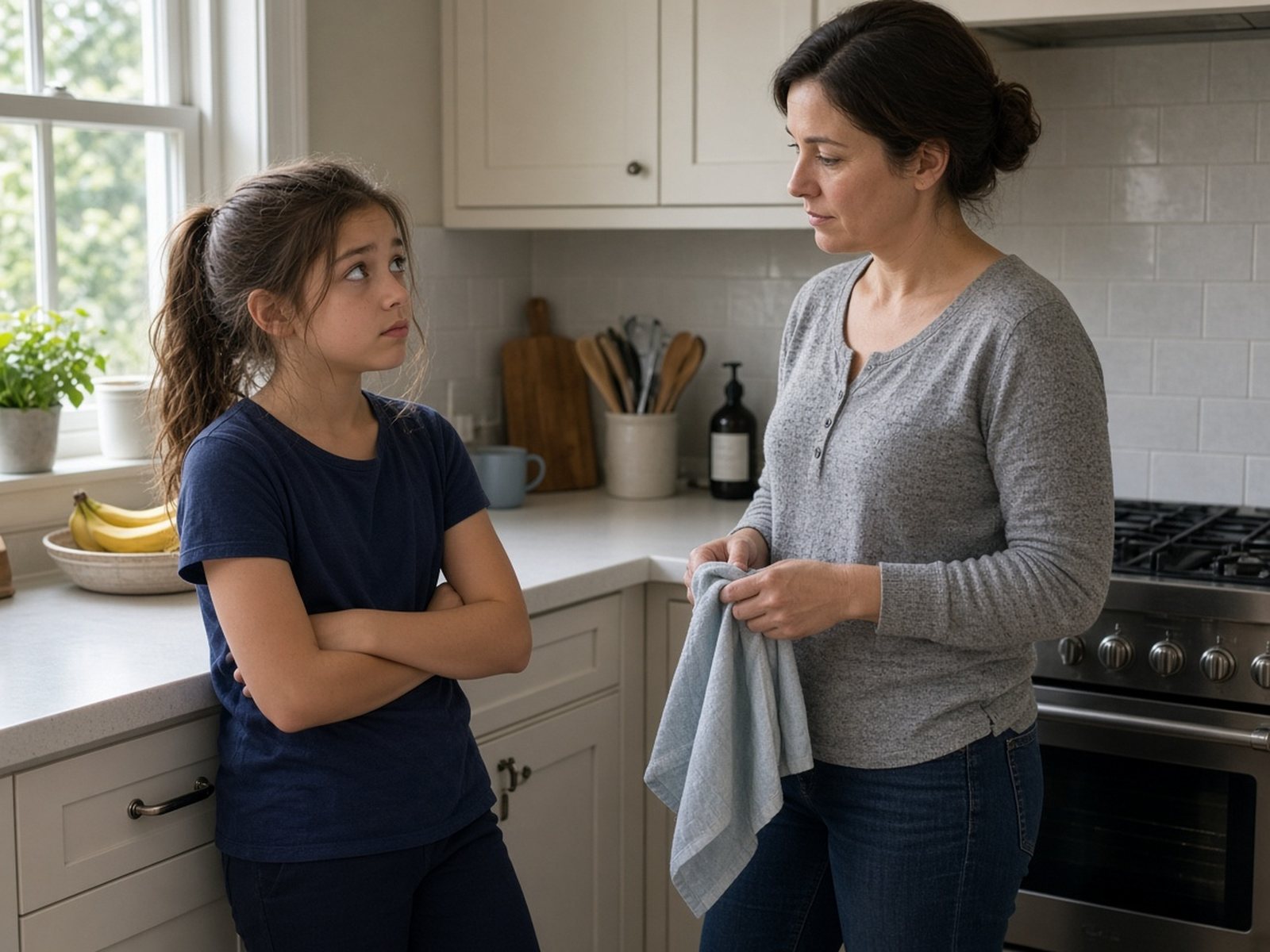
Back talk and eye-rolling: how to respond without starting a war
Back talk is annoying, but it's also a normal part of kids testing independence. Stay calm, set a clear line on disrespect, and listen for what's underneath.

School Years
Kids and AI chatbots: what parents need to know about "AI friends"
Most teens have already tried an AI companion, and some are using them for real emotional support. Here's what the research says, the risks to watch for, and how to talk about it without panic.
School Years
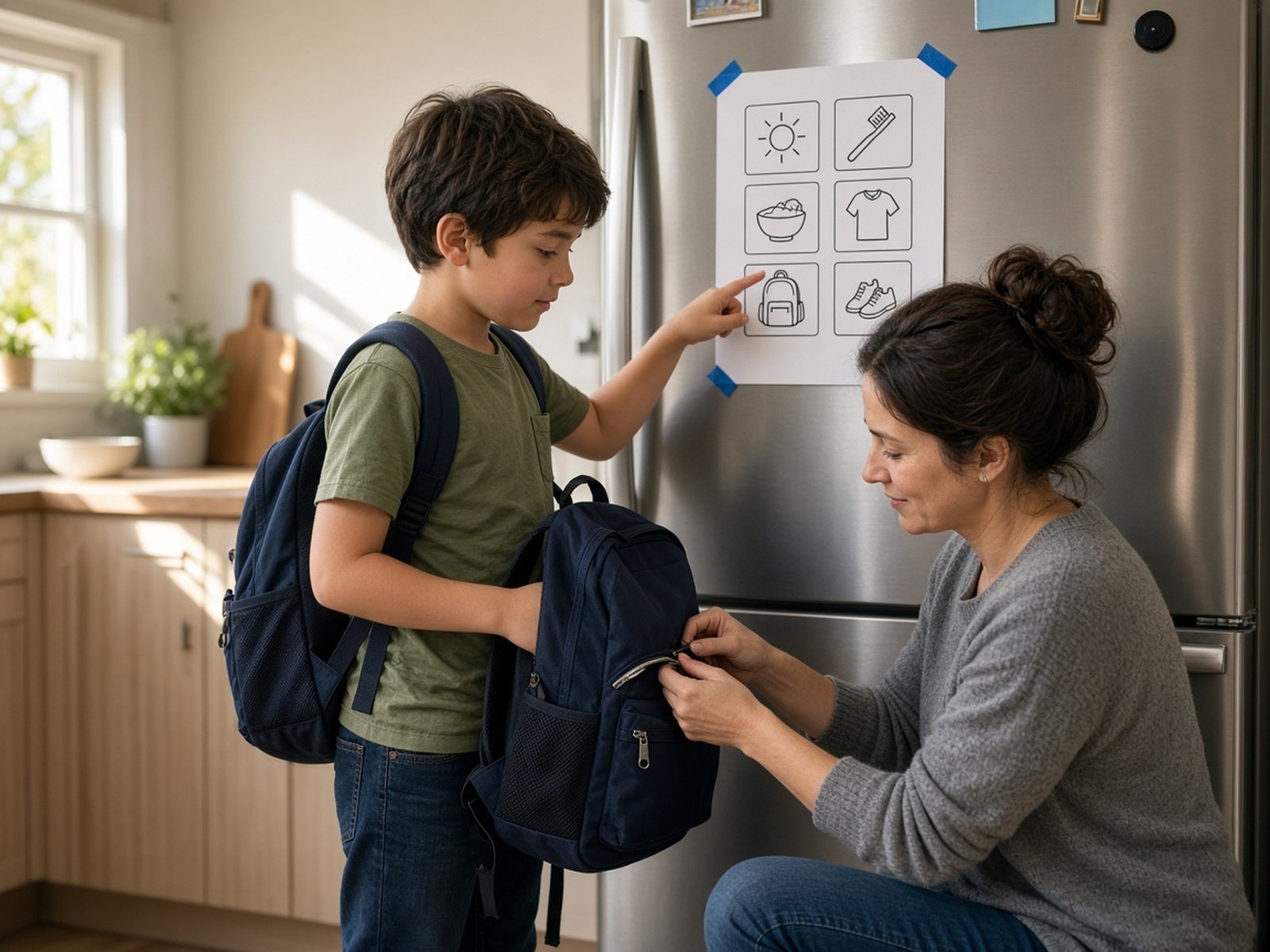
Could it be ADHD? Signs, diagnosis and what helps
Every child is distractible sometimes. ADHD is a persistent pattern of inattention and/or hyperactivity that causes problems in more than one setting. Here's what to look for and how diagnosis and treatment work.
Emotional Development
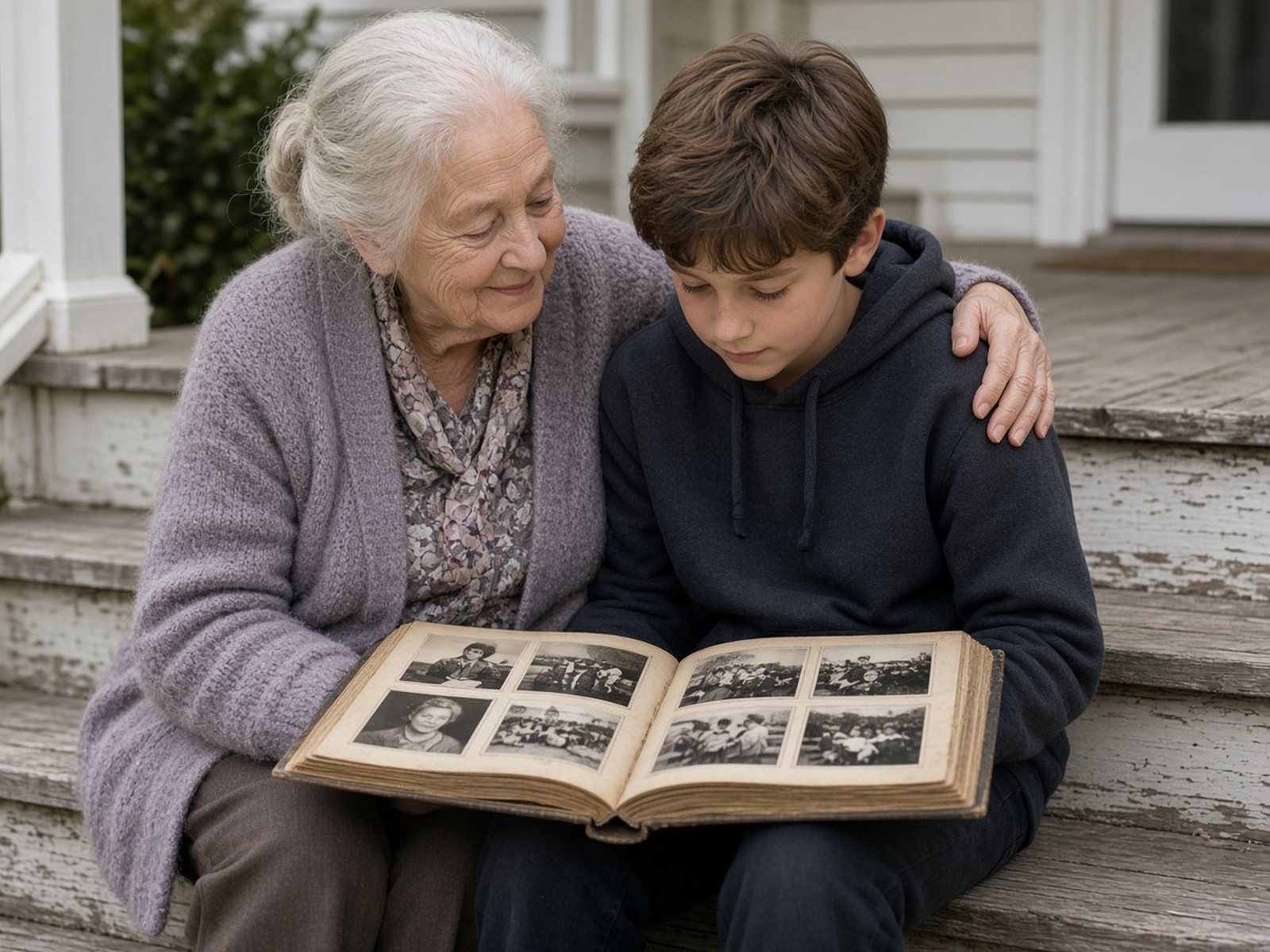
Helping kids through grief: how to talk about death and what to expect
Use clear words like "died," answer questions honestly, and expect grief to come and go. Kids grieve differently than adults, and they do best with steady, honest support.
Discipline Without Fear
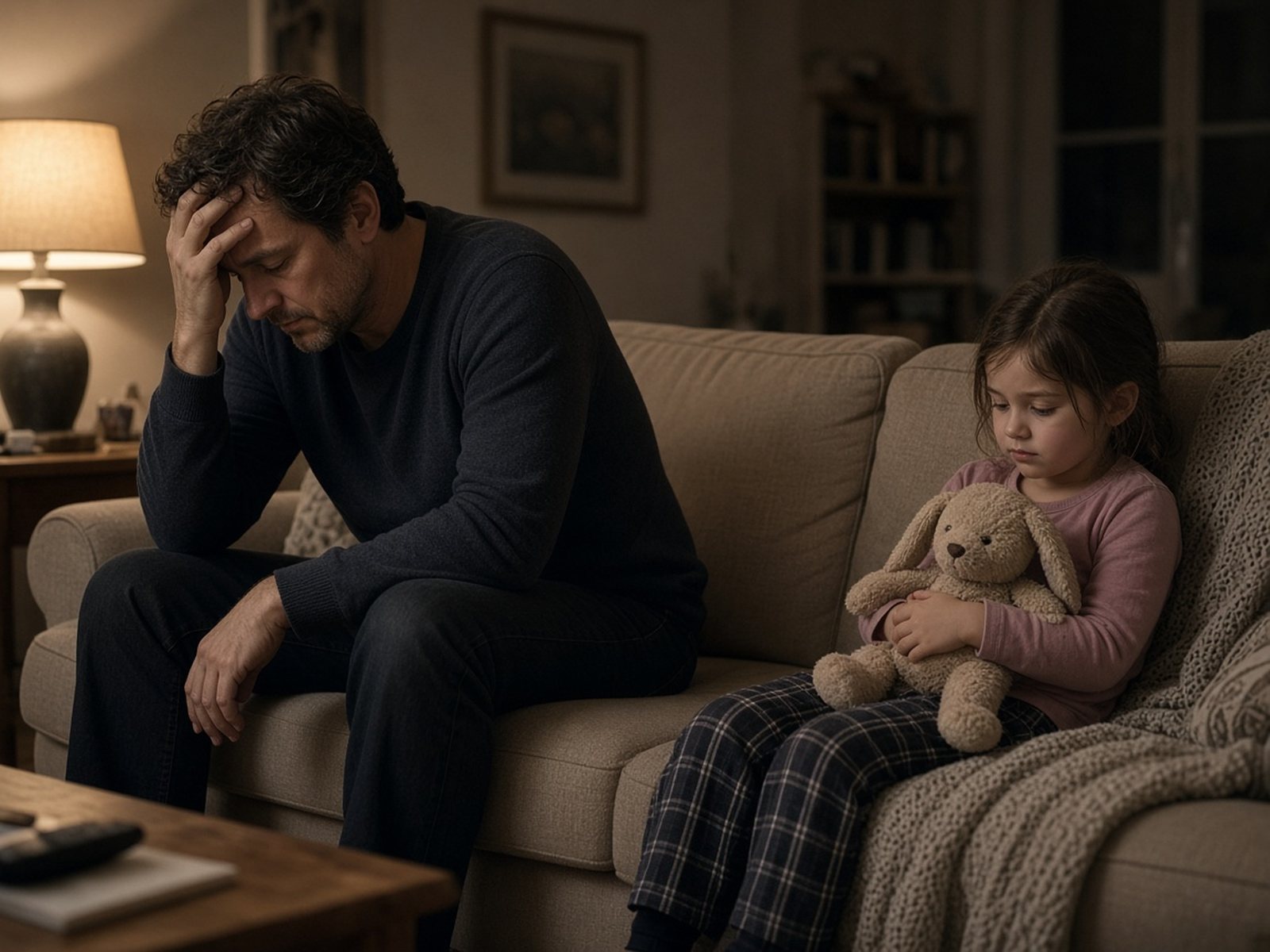
When you lose your temper with your kids: what to do next
Every parent yells sometimes. What matters is noticing your warning signs, cooling down, and repairing with your kid afterward. Here's how, without drowning in guilt.
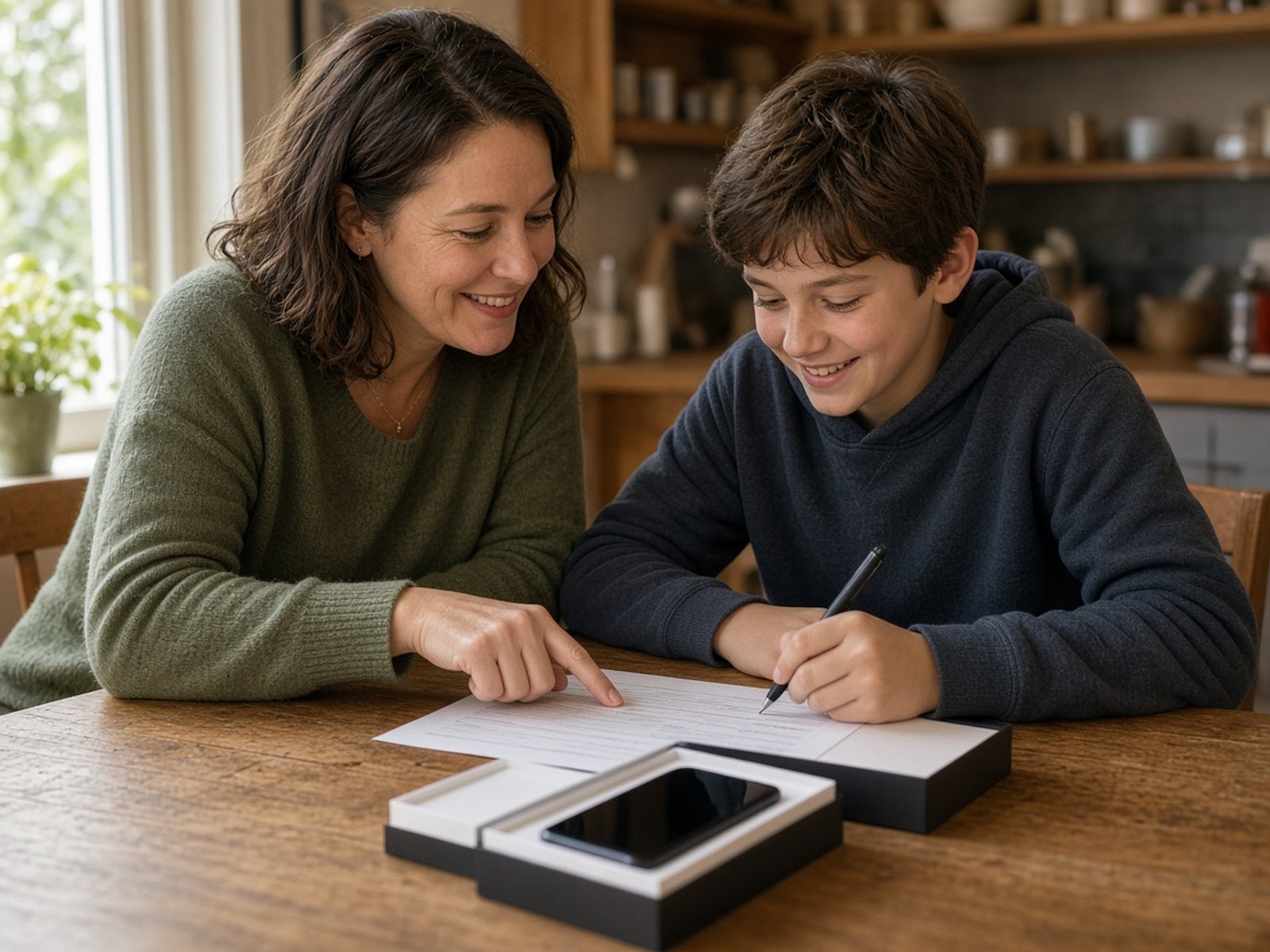
School Years
The first phone talk, and a family agreement that actually holds up
Handing over a first phone is less about the device and more about the deal around it. Here's how to set one up together, what the research says about social media, and a printable agreement to start from.
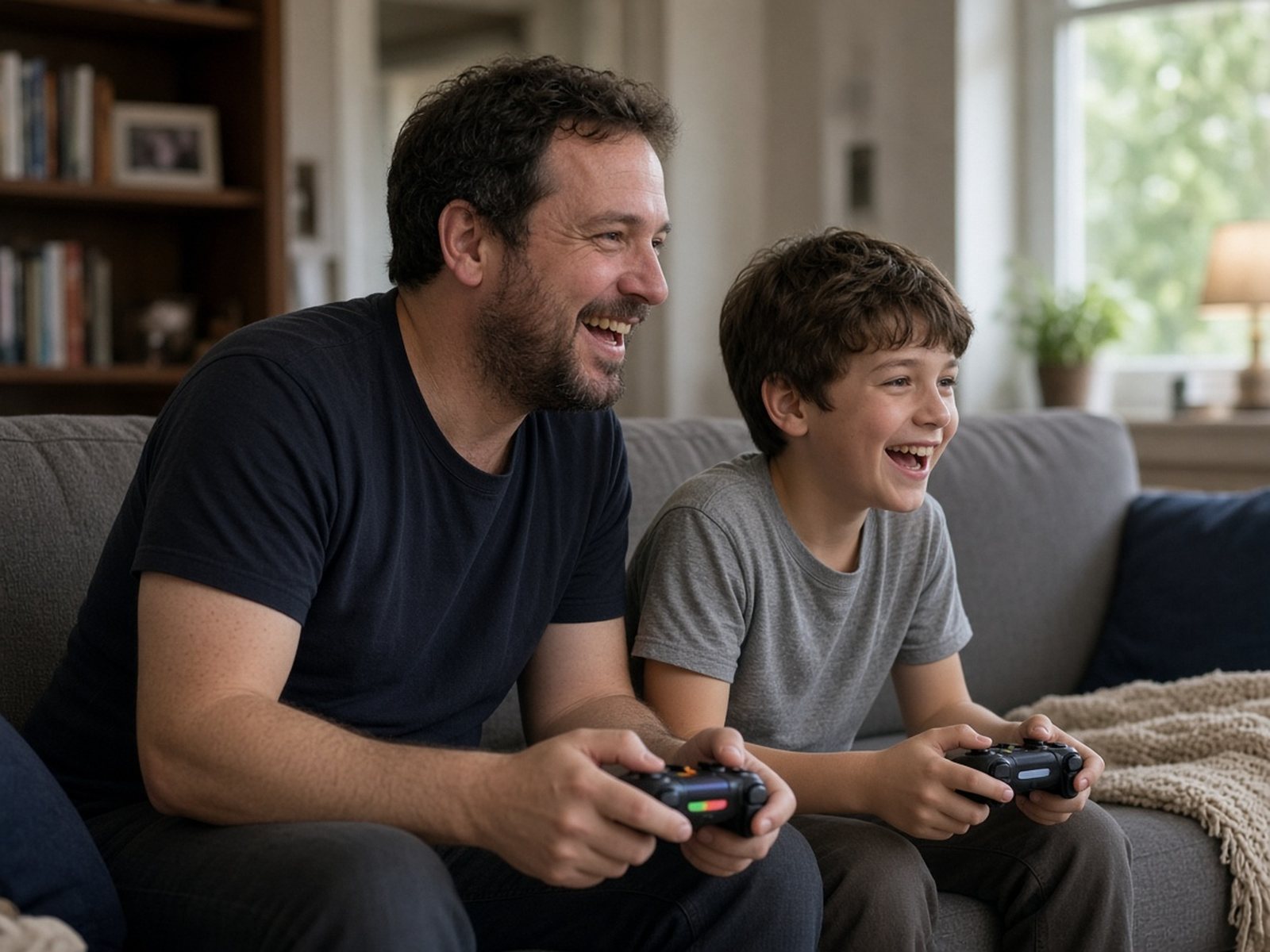
School Years
Kids and video games: how much is too much, and when it's a real problem
For most kids, moderate gaming is fine and can even be good. The warning sign isn't the number of hours, it's when gaming starts crowding out sleep, school, friends and family.
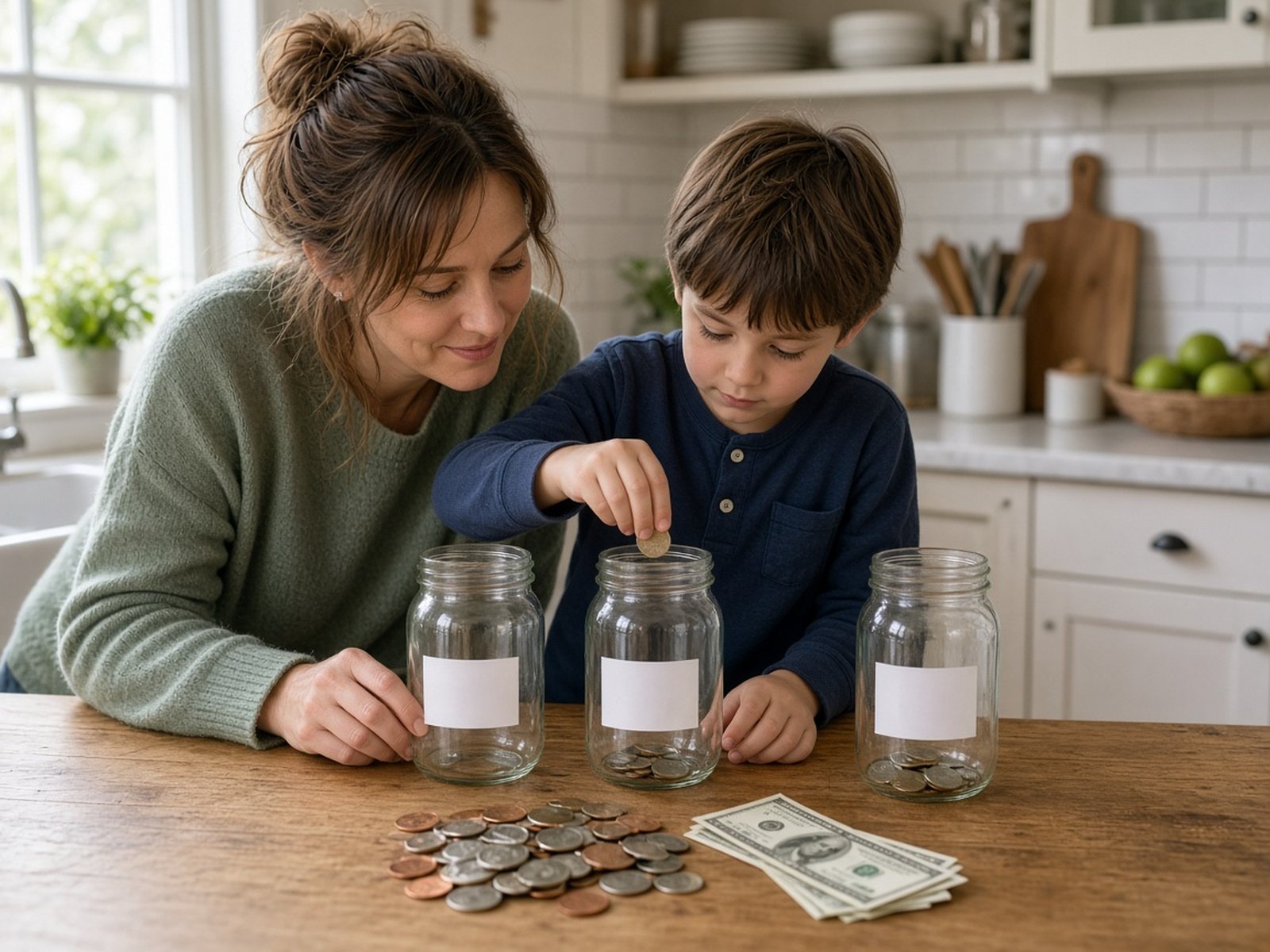
School Years
Teaching kids about money: allowance, saving and spending by age
Kids learn money by handling it. Start with coins and choices in preschool, an allowance with saving jars in the school years, and real budgets and a bank account by the teen years.
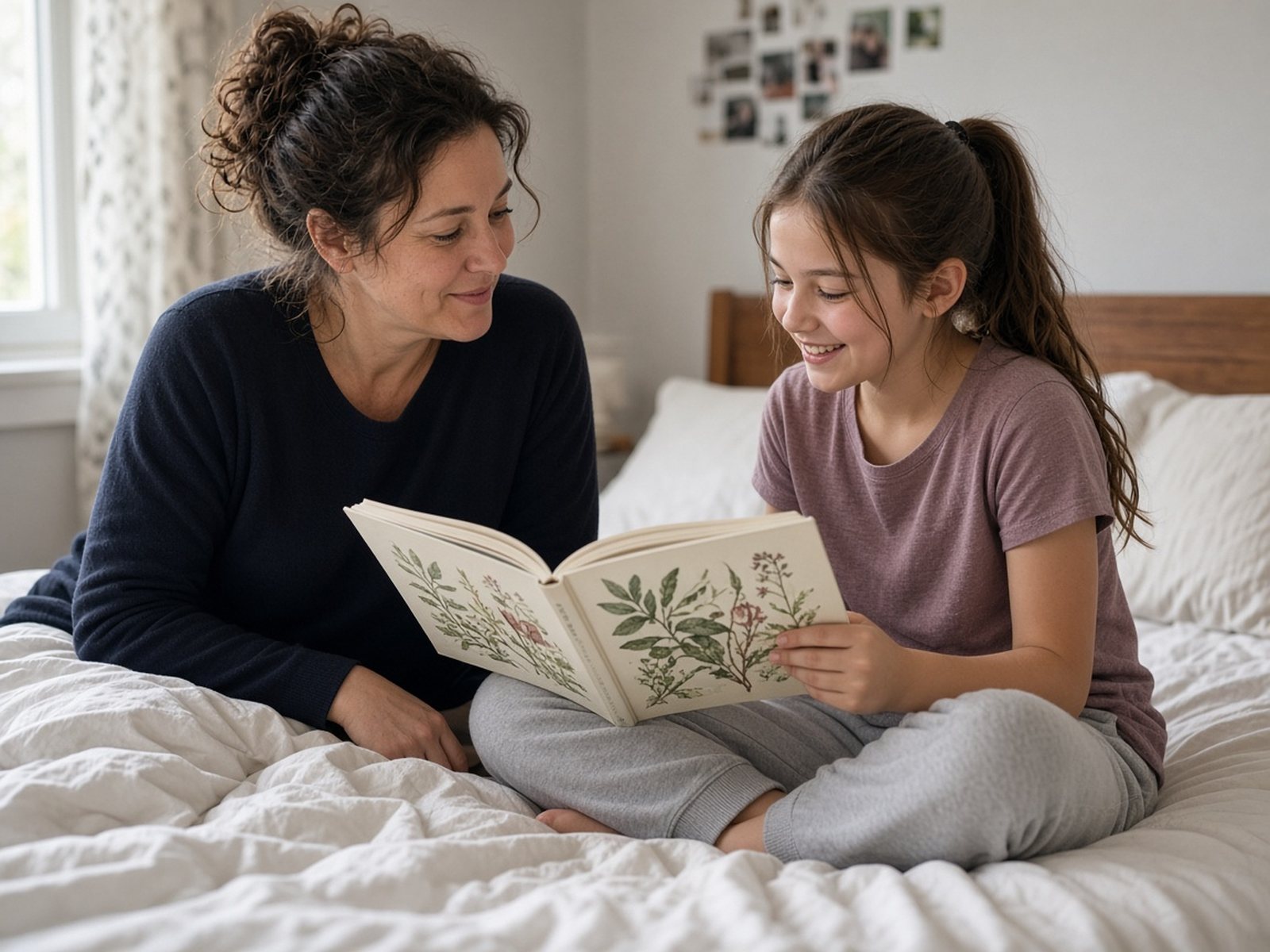
Communication
The puberty talk: what to say, and when to start
Start earlier than feels comfortable, around 8 or 9, and treat it as a series of short talks, not one big one. Kids who know what's coming handle the changes with far less fear.
School Years
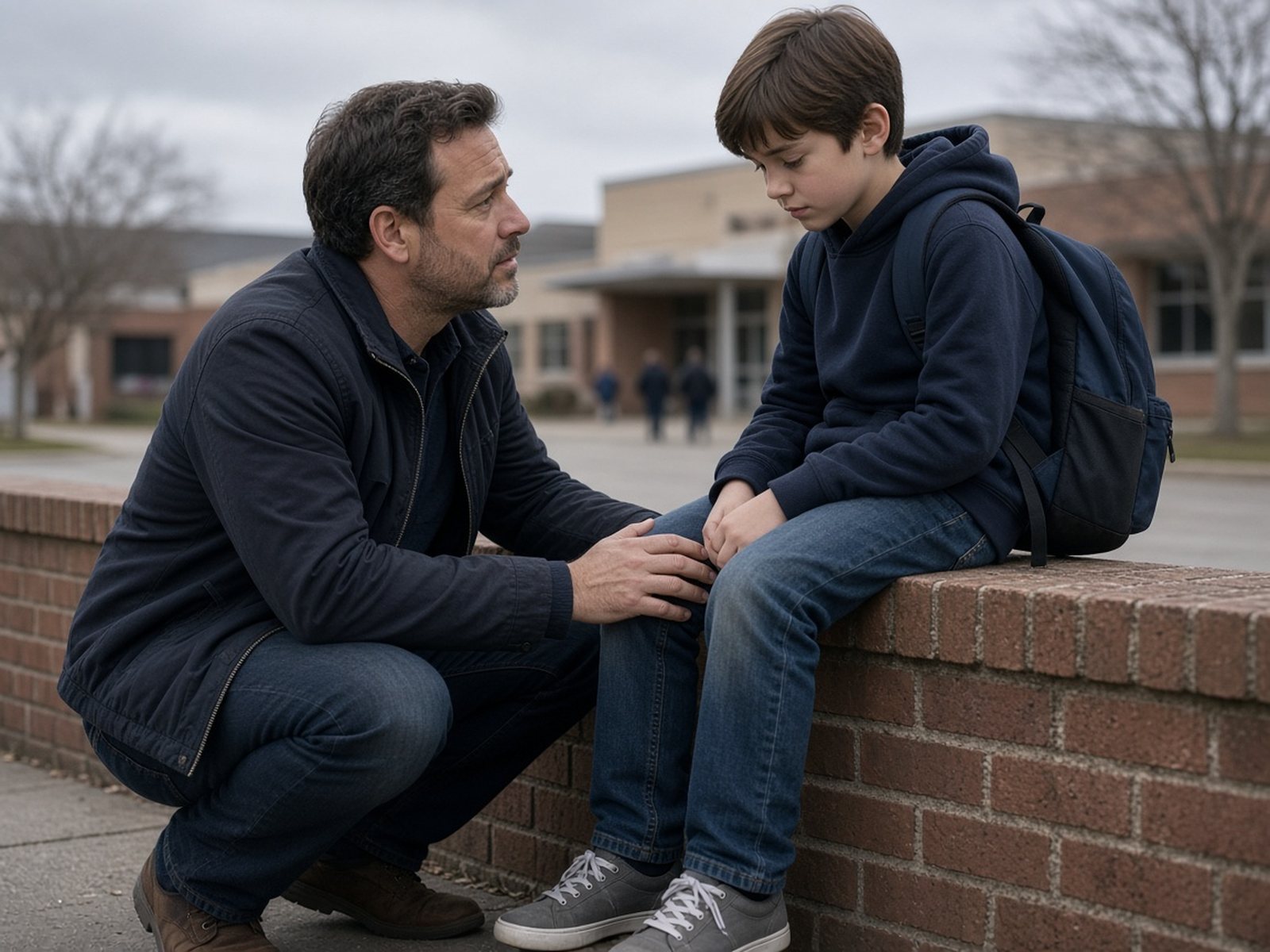
Bullying and cyberbullying: what to do when your kid is the target, or the bully
Bullying peaks in middle school and follows kids onto their phones. Here's how to help when your child is being picked on, and what to do if you find out your child is the one doing it.
Emotional Development
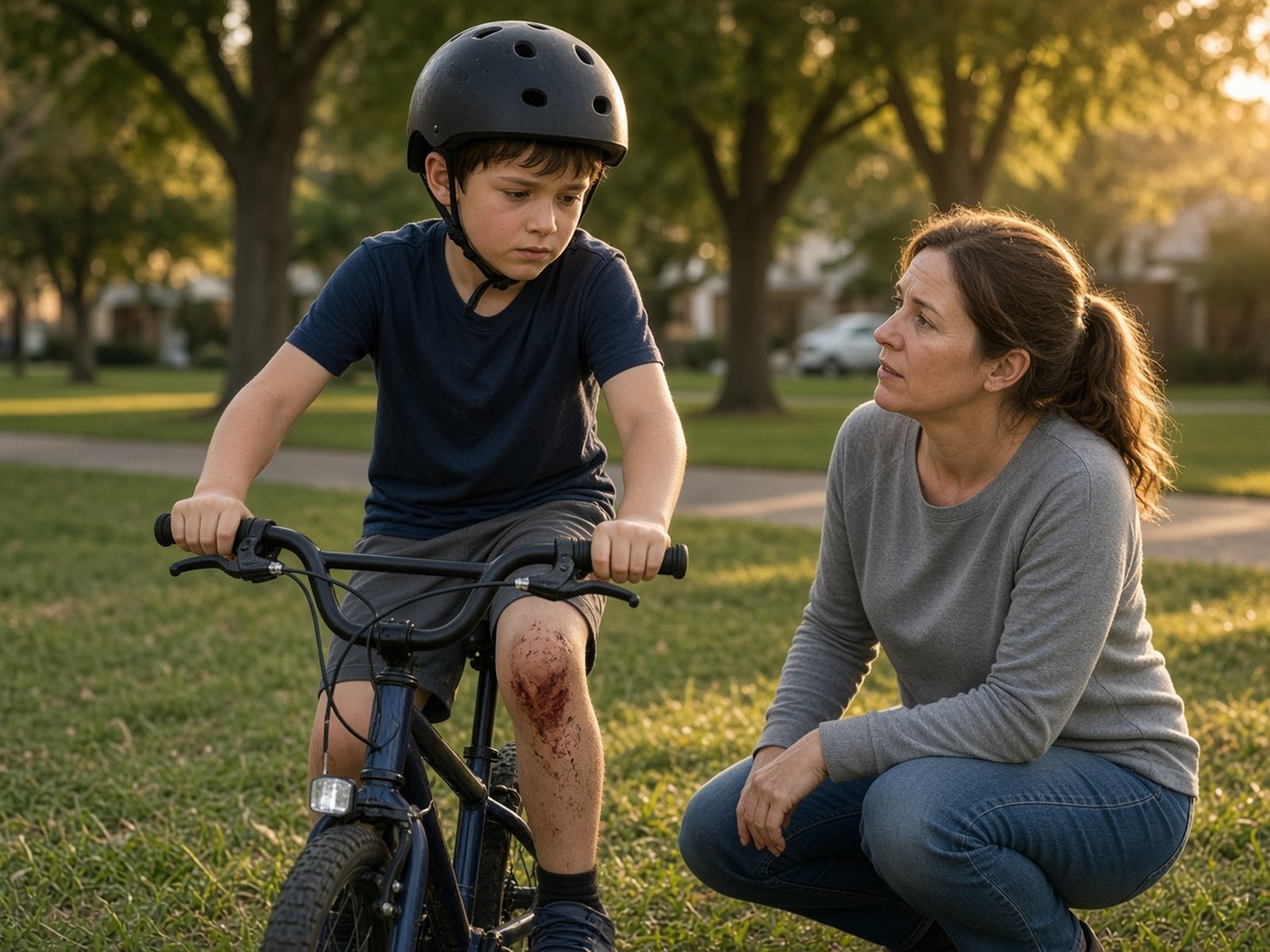
Building resilience in kids: what actually helps children bounce back
Resilience isn't a rare trait some kids are born with. It grows from steady relationships, manageable challenges, and chances to solve problems with a safety net nearby.

Emotional Development
Body image and eating disorders: what to say, what to skip, and when to worry
Kids pick up how to feel about their bodies from the world, their phones and the dinner table. Here's how to build a healthier relationship with food and bodies at home, and the signs that mean it's time to get help.
School Years
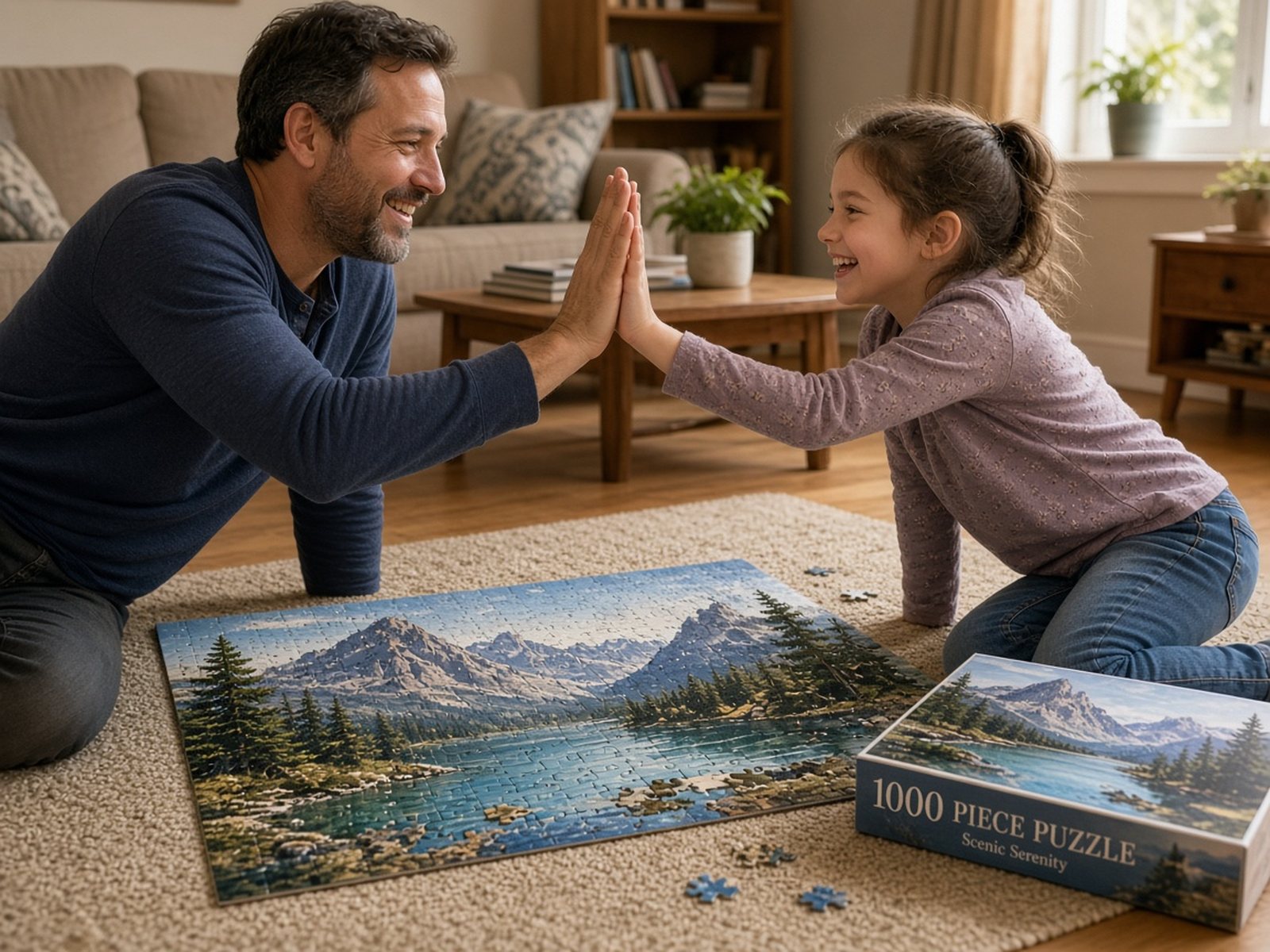
How to praise kids so it builds effort, not pressure
"You're so smart" can backfire. Praising effort, strategy and progress helps kids take on challenges and bounce back from mistakes. Here's the research and what to say instead.

Co-parenting & Family
Preparing your child for a new baby, and handling the jealousy after
Tell them in simple, honest terms, keep their routines steady, and expect some regression and jealousy. Making space for the hard feelings helps them come around to the baby.
Toddler & Preschool
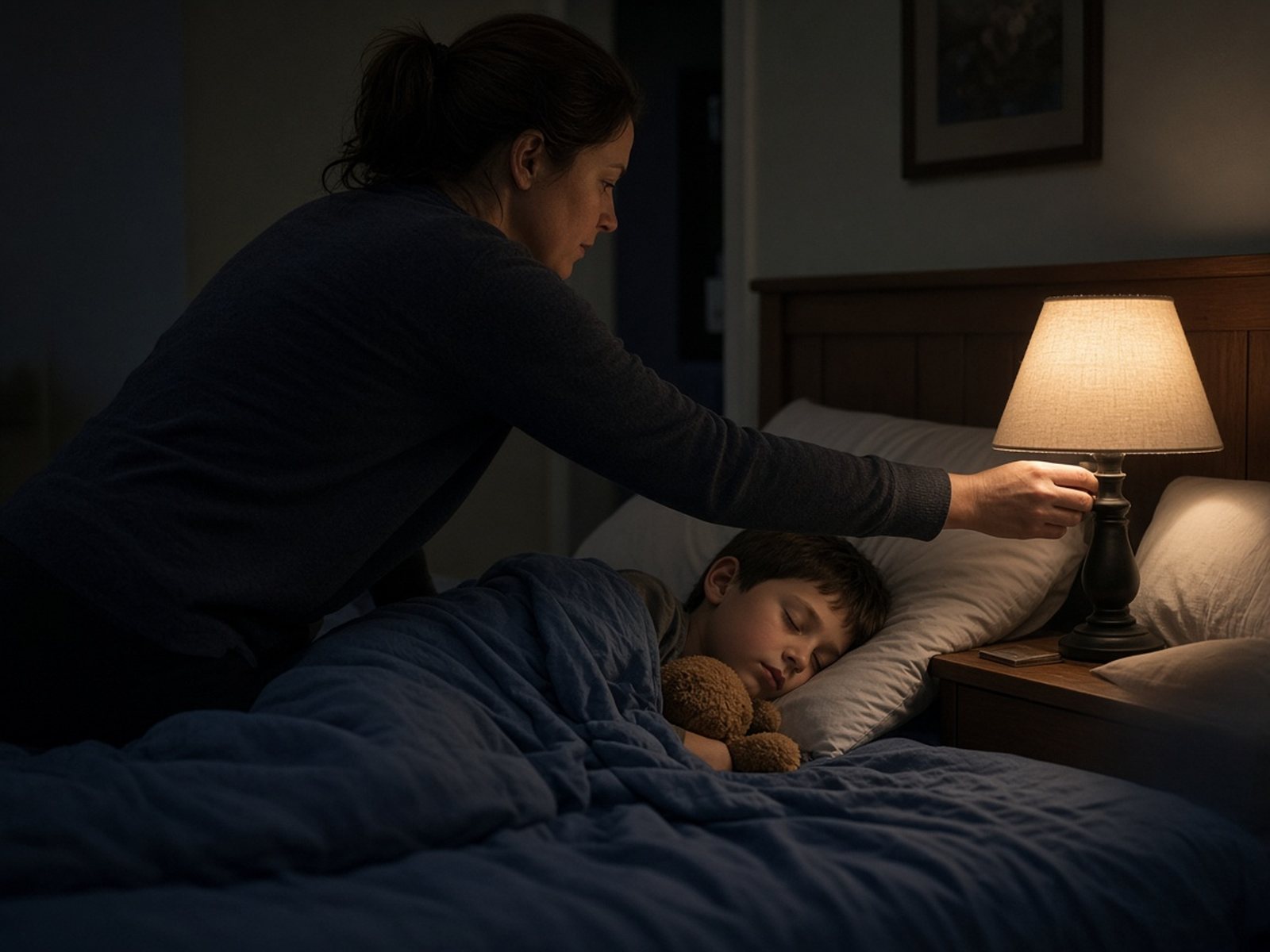
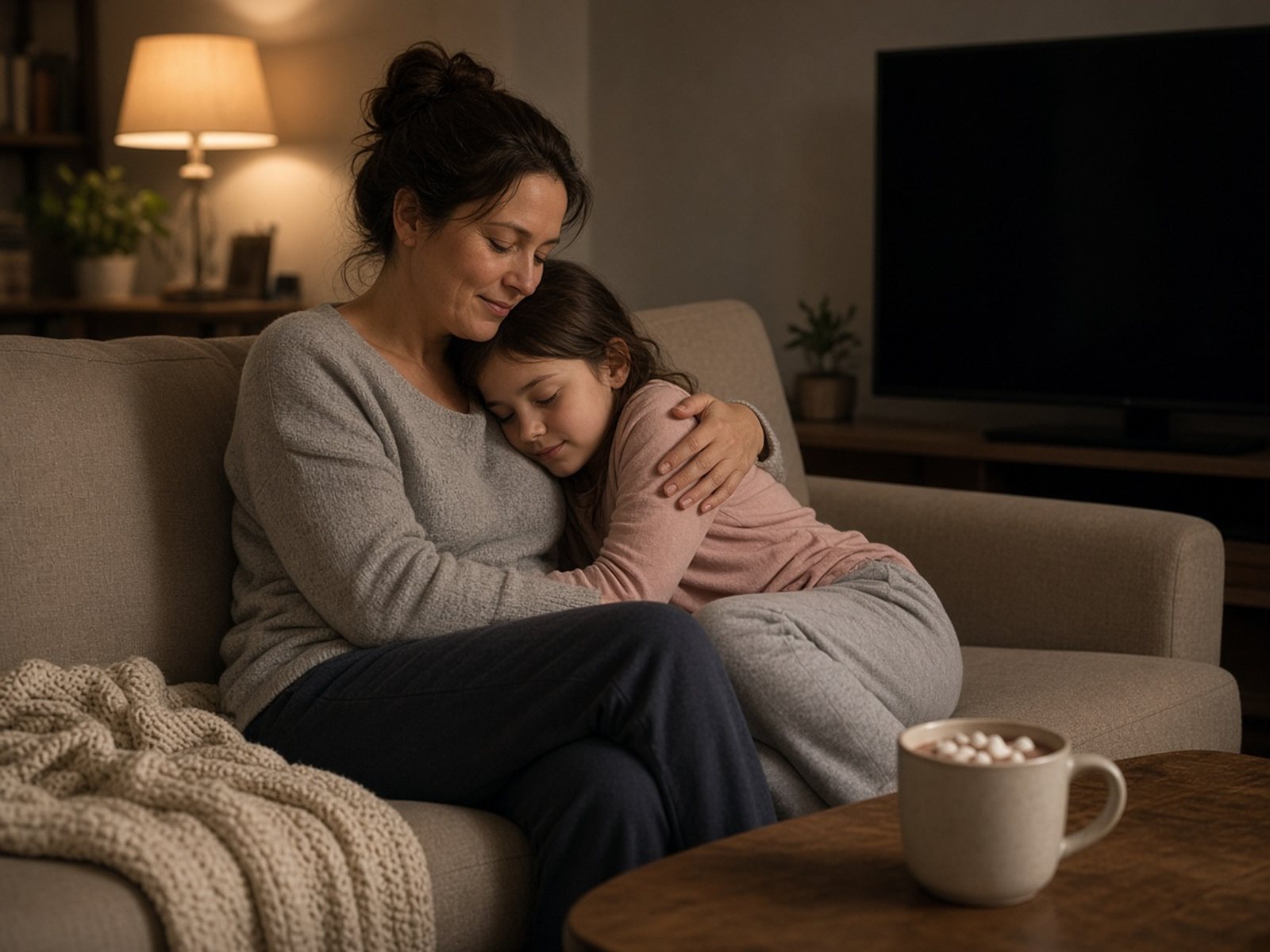
How much sleep do kids need? A chart by age, and what to do when they don't get it
Toddlers need 11 to 14 hours in 24, preschoolers 10 to 13, school-age kids 9 to 12 and teens 8 to 10, according to the American Academy of Sleep Medicine. Here's how to get closer.
Communication
Talking to kids about scary news: shootings, disasters, war and more
Find out what they already know, give honest answers sized to their age, limit the replay of disturbing coverage, and remind them of the people keeping them safe.

Communication
When your kid sees porn: how to talk about it without shame
Most kids will run into porn online, often by accident and often younger than parents expect. A calm, shame-free conversation does more good than any filter, and the research says teens do listen.
Emotional Development
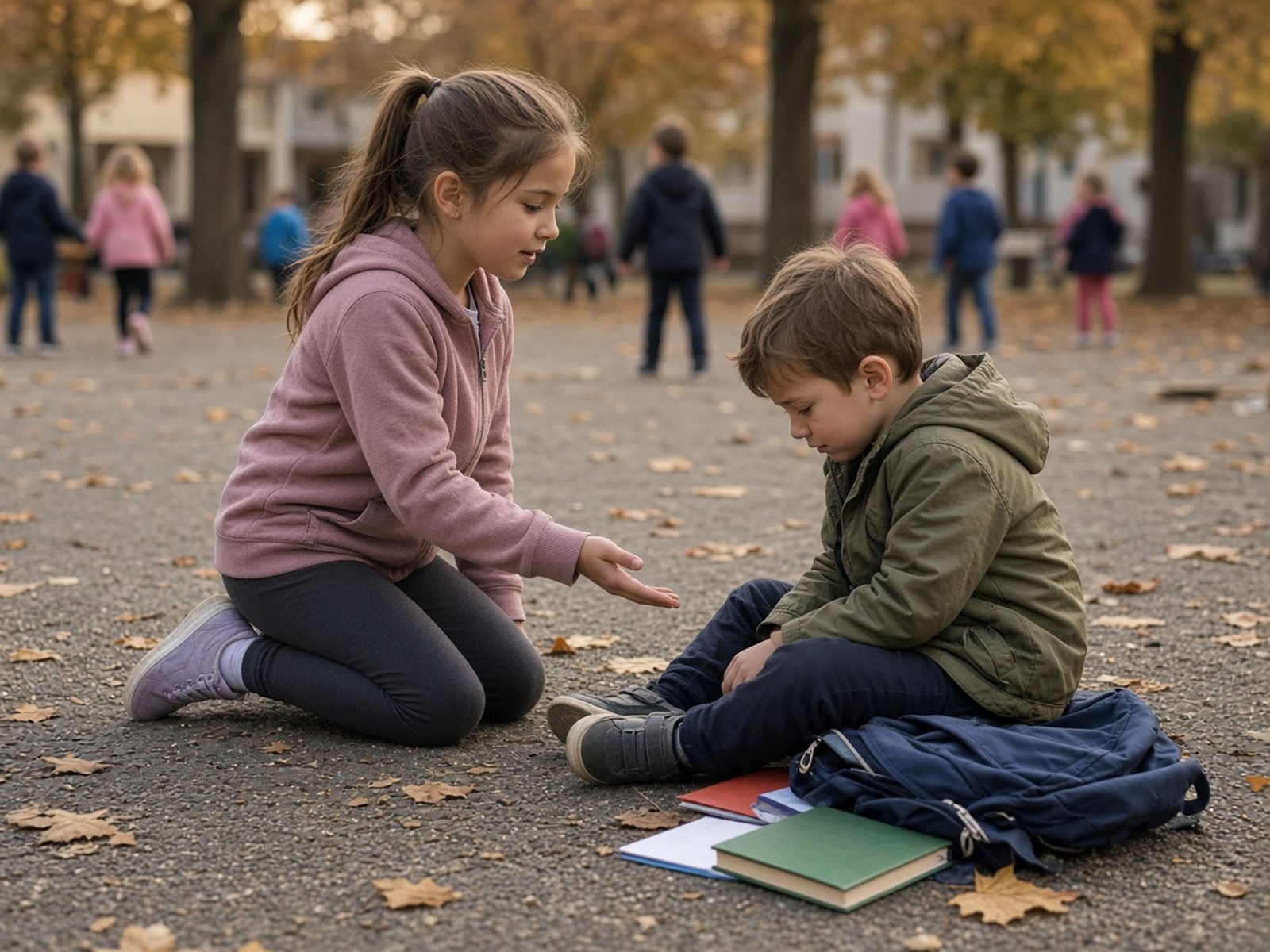
Raising a kind kid: how empathy actually grows, and what parents can do
Even toddlers try to help. Empathy grows when kids see it modeled, get to practice it, and hear that caring about others actually matters to you.
Toddler & Preschool
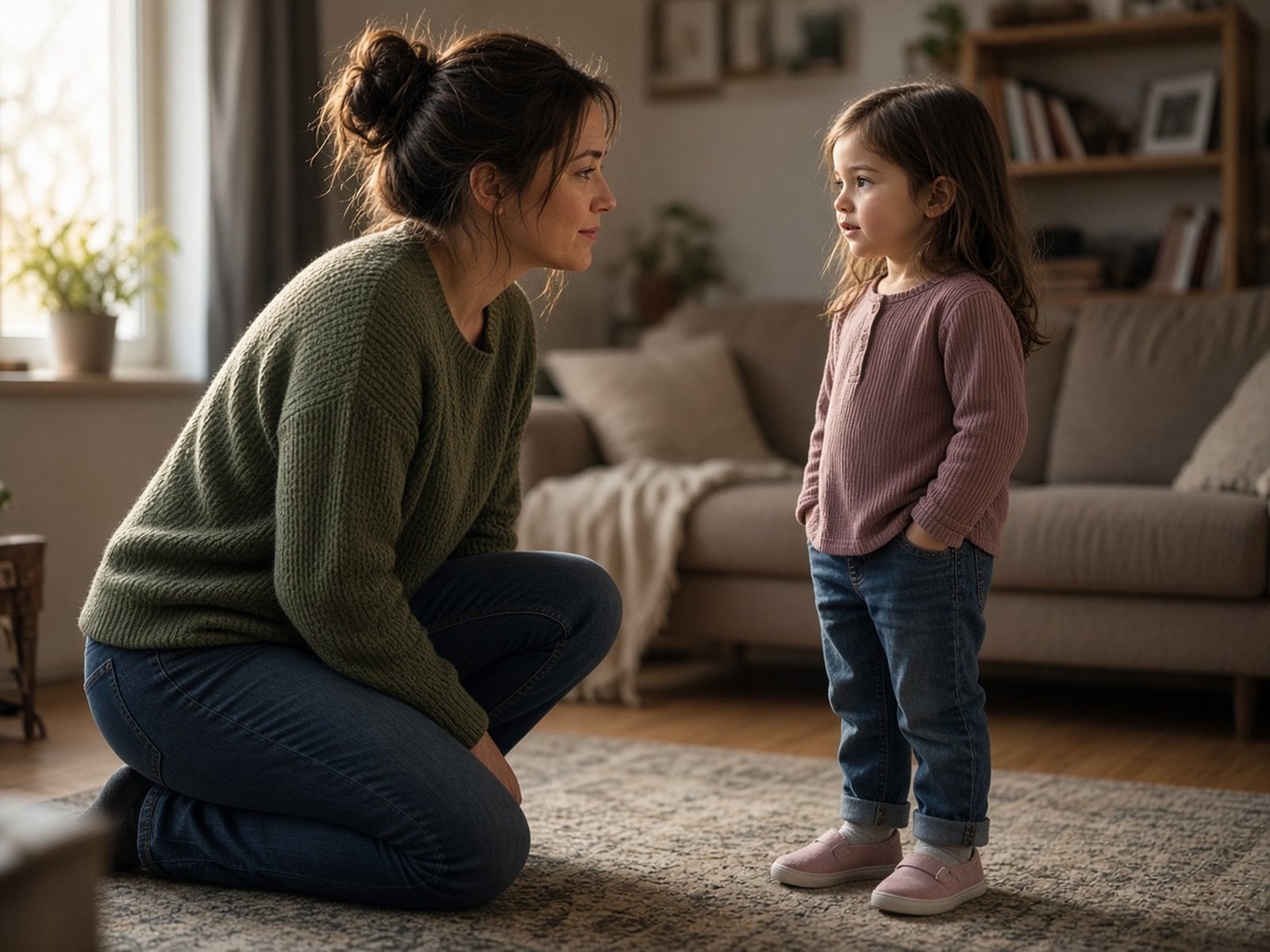
Body safety: how to talk to kids about private parts, consent and secrets
Use correct names for body parts, teach that no one should touch or look at private parts except to keep them healthy, swap "secrets" for "surprises," and make sure your child knows they can always tell you.
Emotional Development
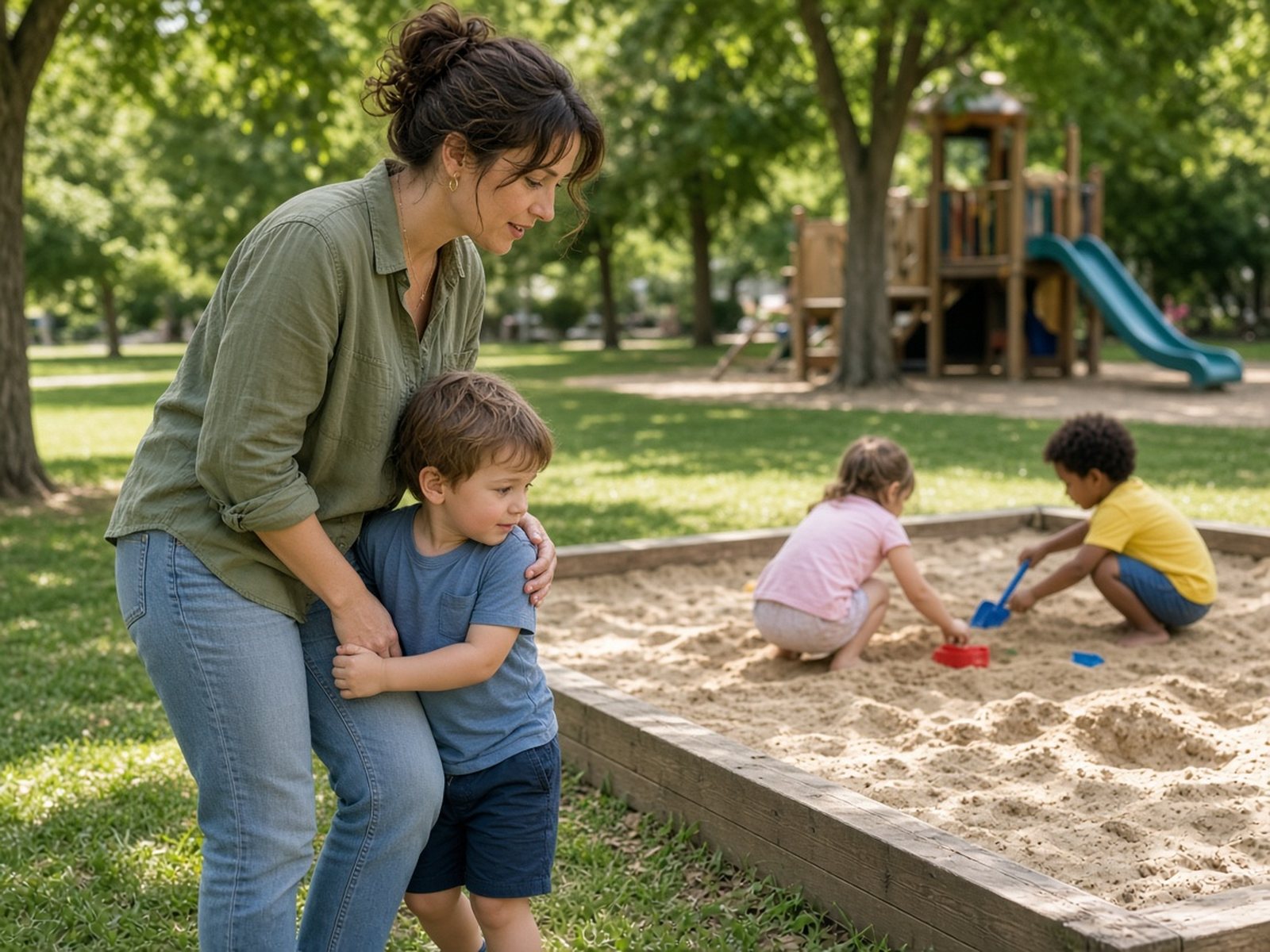
The shy child: how to help without pushing too hard or protecting too much
Shyness is a temperament, not a flaw. Shy kids do best with warm encouragement and small, steady steps, not labels, pressure, or being rescued from every new situation.
Discipline Without Fear
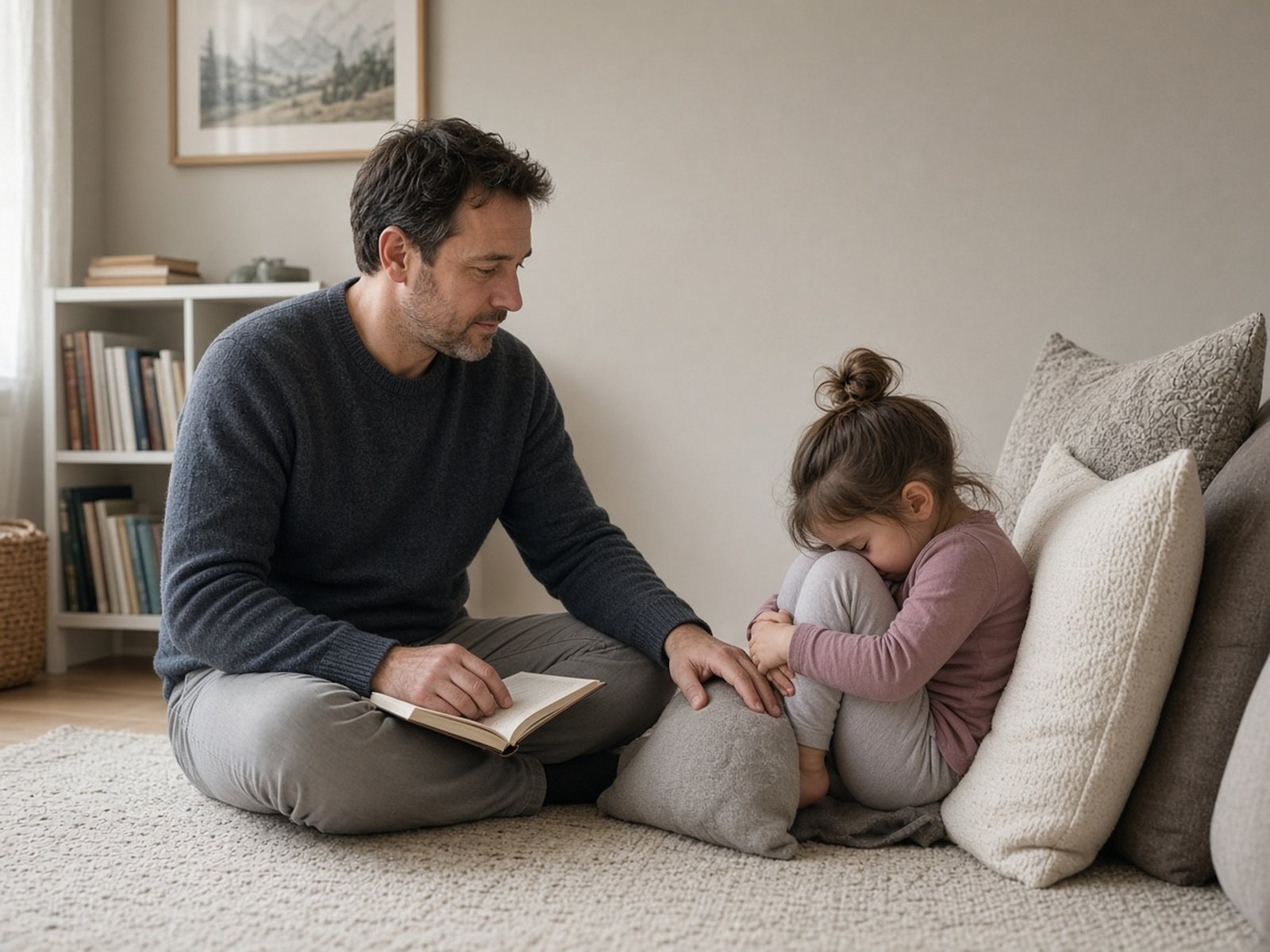
Time-outs vs. time-ins: what works, and how to do either one well
A short, calm time-out isn't harmful when used well, and many pediatric guidelines include it. A time-in, staying close while a child calms down, often works better for younger or very upset kids.

Toddler & Preschool
Water safety for kids: how drowning really happens, and the layers that prevent it
Drowning is fast and quiet. Pediatricians recommend layers of protection: close, undistracted supervision, pool fencing, swim lessons, life jackets, and CPR skills for adults.
Toddler & Preschool
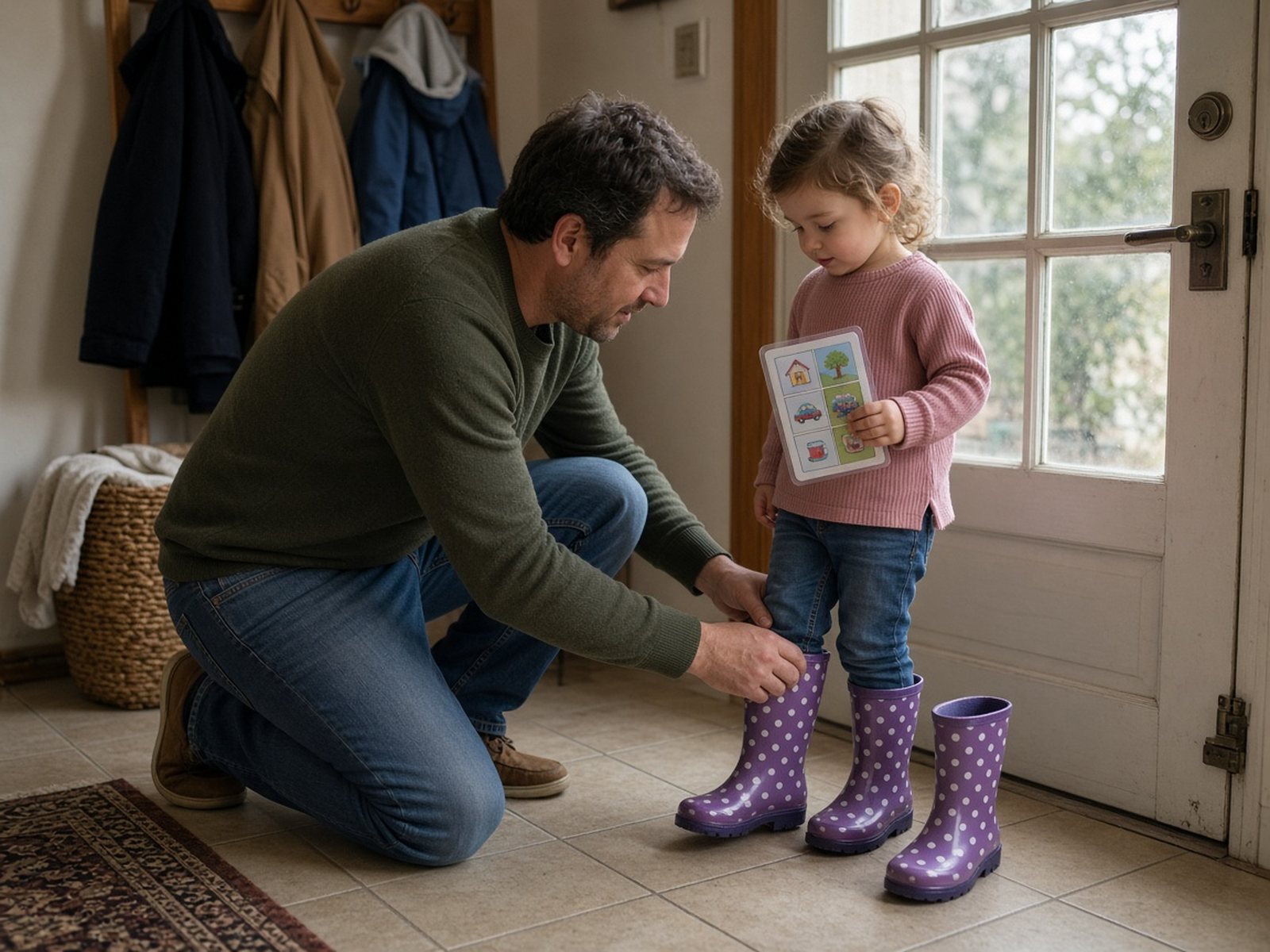
Transitions without tears: helping kids switch from one thing to the next
Leaving the park, turning off a show, getting out the door: transitions trigger a lot of meltdowns. Warnings, routines, small choices and a little play make them smoother.
Toddler & Preschool
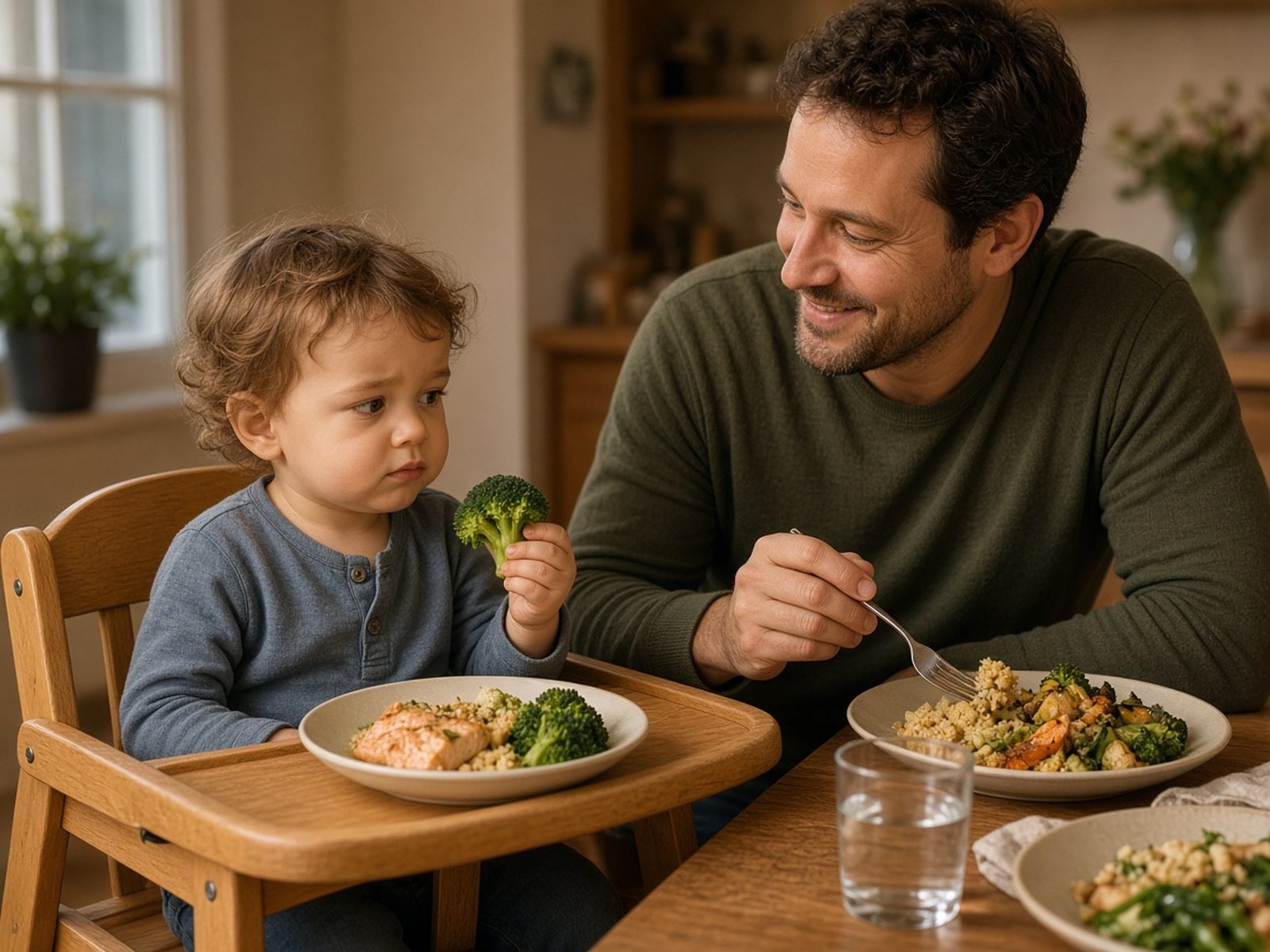
Picky eating: how to stop the dinner battles without giving up on vegetables
You decide what, when and where food is served. Your child decides whether and how much to eat. That split, plus lots of no-pressure exposure, ends most food fights.
Discipline Without Fear
Why kids lie, and how to raise a child who tells you the truth
Lying is a normal developmental step, not a character flaw. Kids tell the truth more when honesty feels safe, and research suggests harsh punishment makes lying more likely.

Teens
Guns and kids: safe storage, and the question to ask before playdates
If there's a gun in the home, store it unloaded and locked, with ammunition locked separately. And before your child visits another home, ask whether there are guns and how they're stored.

School Years
Kids and sports: keeping it fun, avoiding burnout, and being a good sideline parent
Kids mostly play sports for fun and friends. Pediatricians advise against early single-sport specialization, and the best sideline role is cheerleader, not coach.

Toddler & Preschool
Reading aloud to your child: why it matters and how to make it stick
Read together every day, starting in infancy, and talk about the book as you go. It builds vocabulary, closeness and a love of stories, and you can keep doing it long after they can read.
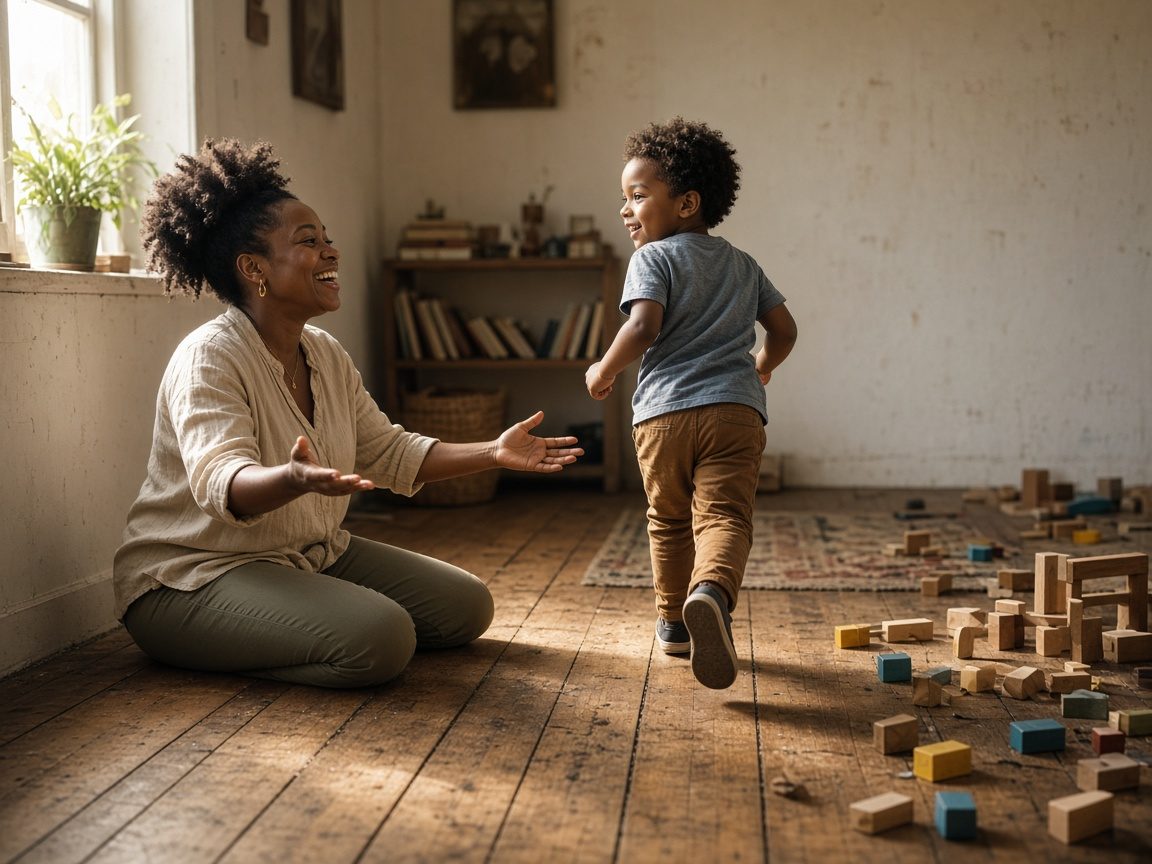
Secure Base
What a "secure base" actually looks like on an ordinary Tuesday
Attachment theory sounds academic until you watch a four-year-old at a playground. Here is what Bowlby and Ainsworth meant, translated into a regular weekday.
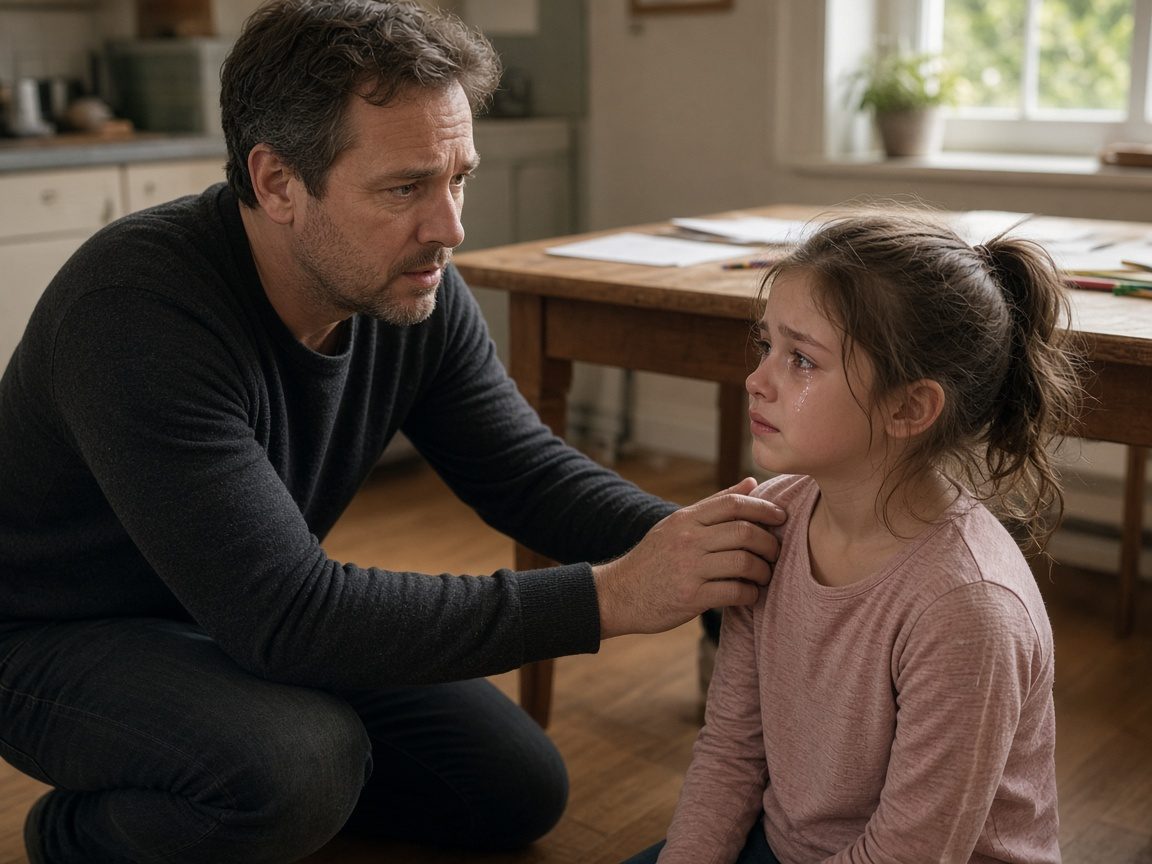
Secure Base
Repair after conflict: the parenting skill that matters more than getting it right
Every parent yells sometimes. Research on mother-infant "mismatch" suggests the rupture is not the problem. Leaving it unrepaired is.
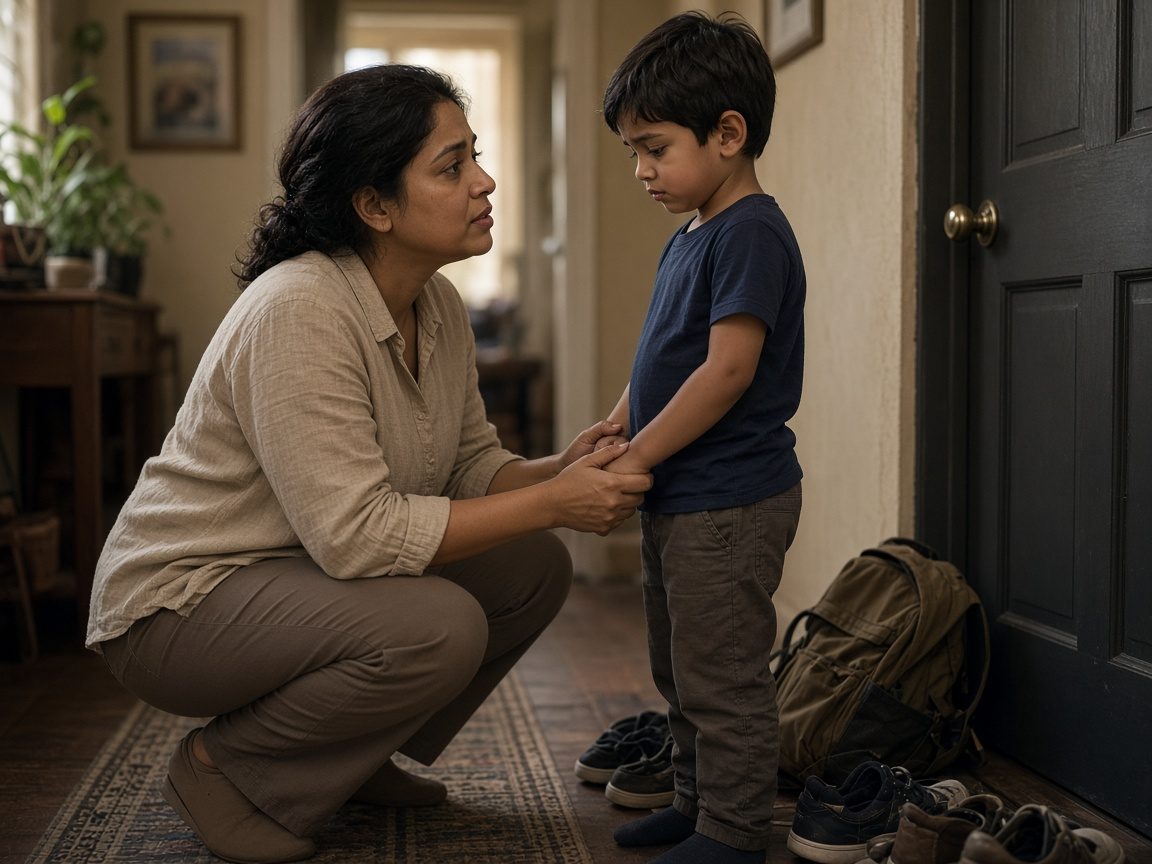
Discipline Without Fear
Discipline without fear: what the research actually supports
The American Academy of Pediatrics changed its guidance on discipline in 2018. Here is what it recommends instead of spanking and shouting, and how to make it work at home.
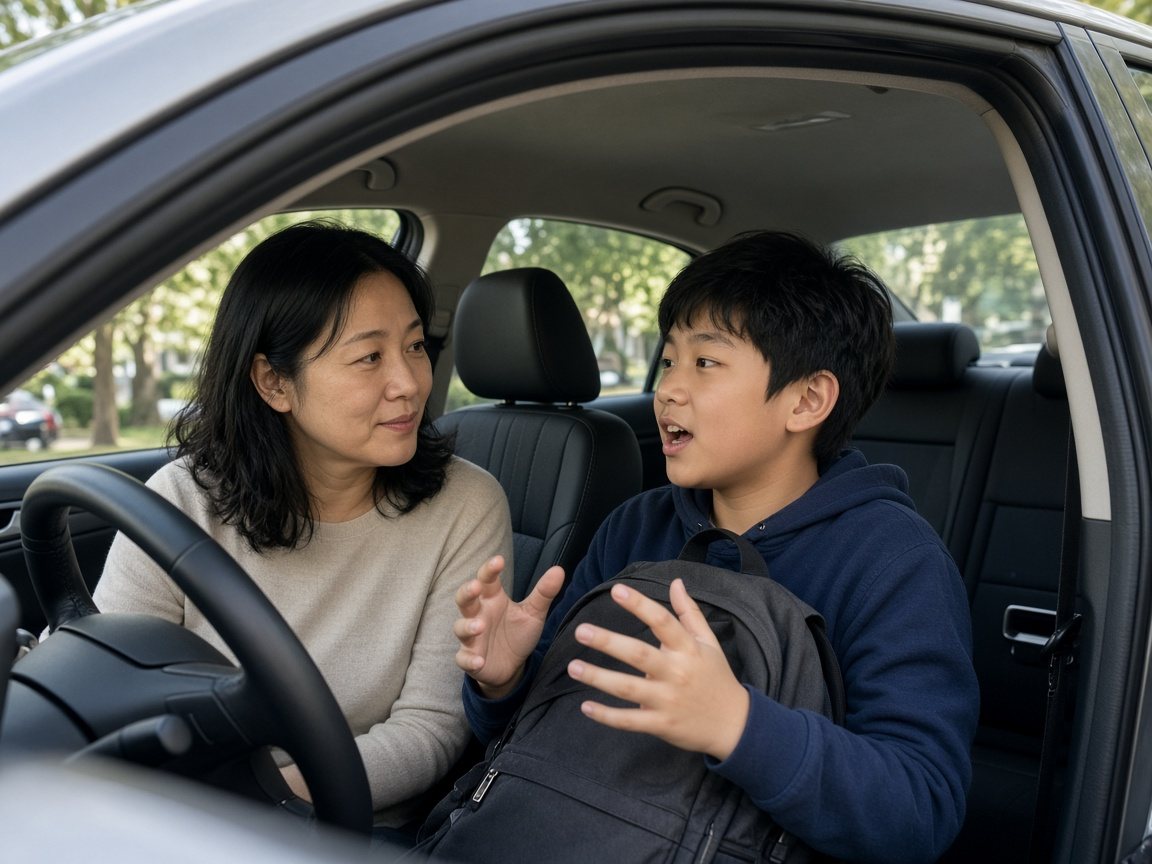
Communication
How to listen so your kids actually keep talking to you
"How was school?" "Fine." If that exchange sounds familiar, the fix is usually less about asking better questions and more about what happens after they answer.
Emotional Development
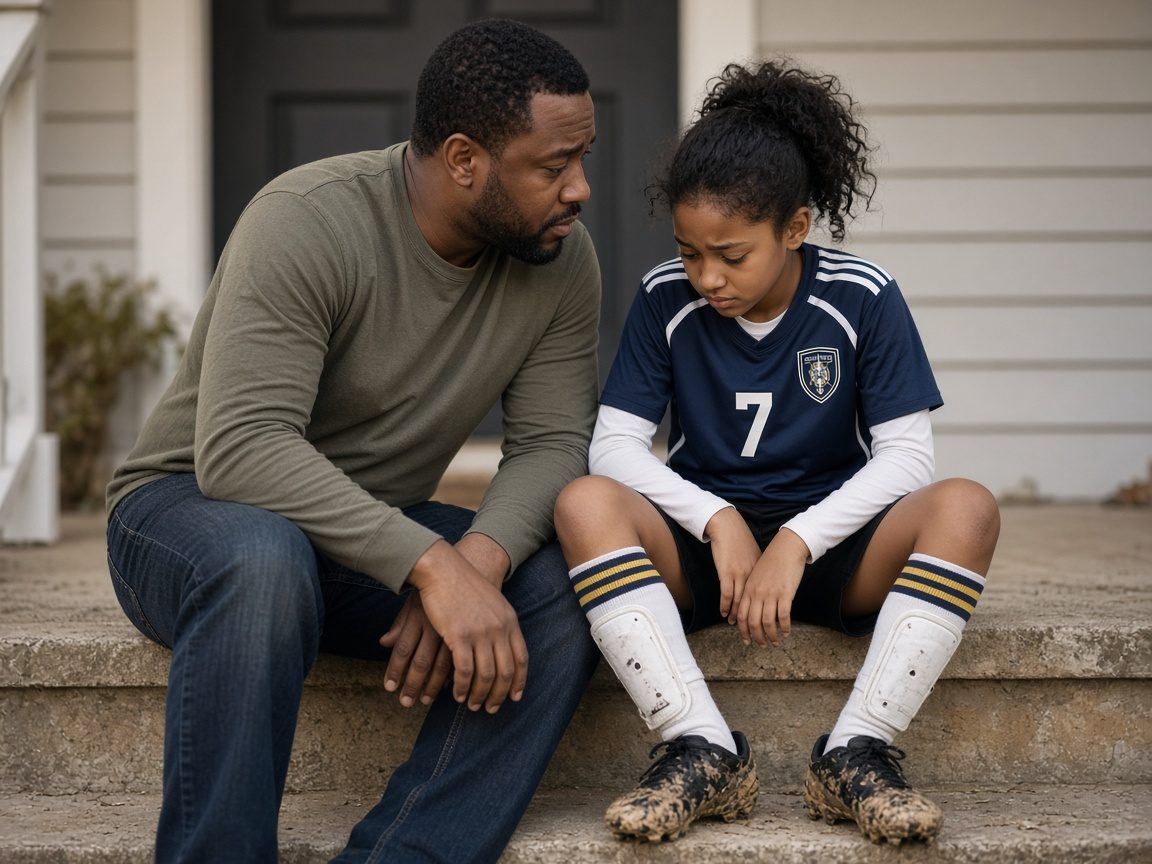
Emotion coaching: helping kids handle big feelings without squashing them
John Gottman's research found that how parents respond to sadness and anger shapes children's later skills. Here are the five steps he identified, with real examples.

Emotional Development
When your child is anxious: why less accommodation helps more
Loving parents naturally rearrange family life around a child's fears. A Yale-developed program shows that gently scaling that back, with lots of warmth, can reduce anxiety as much as therapy for the child.
School Years
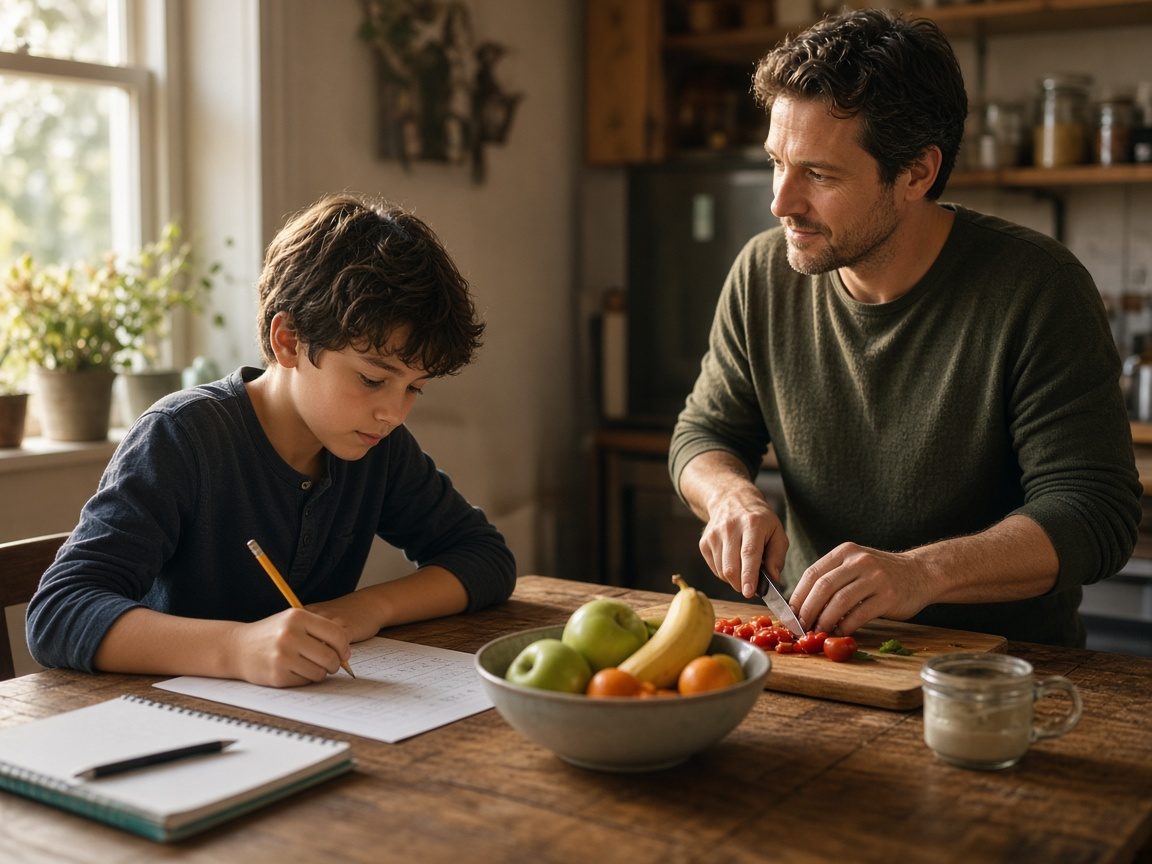
Homework without the nightly war
Research on homework and on praise gives parents a clear playbook. Hover less, praise effort precisely, and protect the child's ownership of the work.
School Years
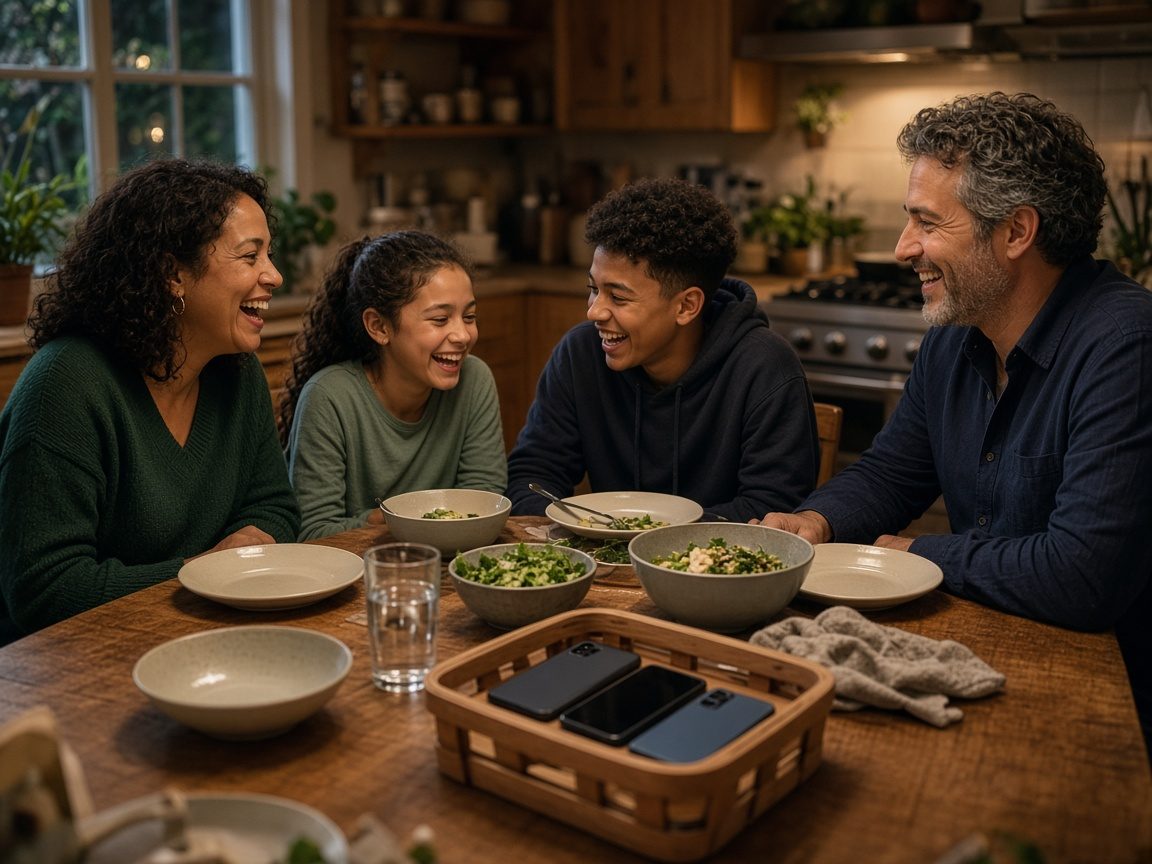
Screens, phones, and a family media plan that actually holds
The research on screen time is messier than the headlines. What seems to matter most is what kids are doing, what it pushes out, and whether the rules are clear.
Co-parenting & Family
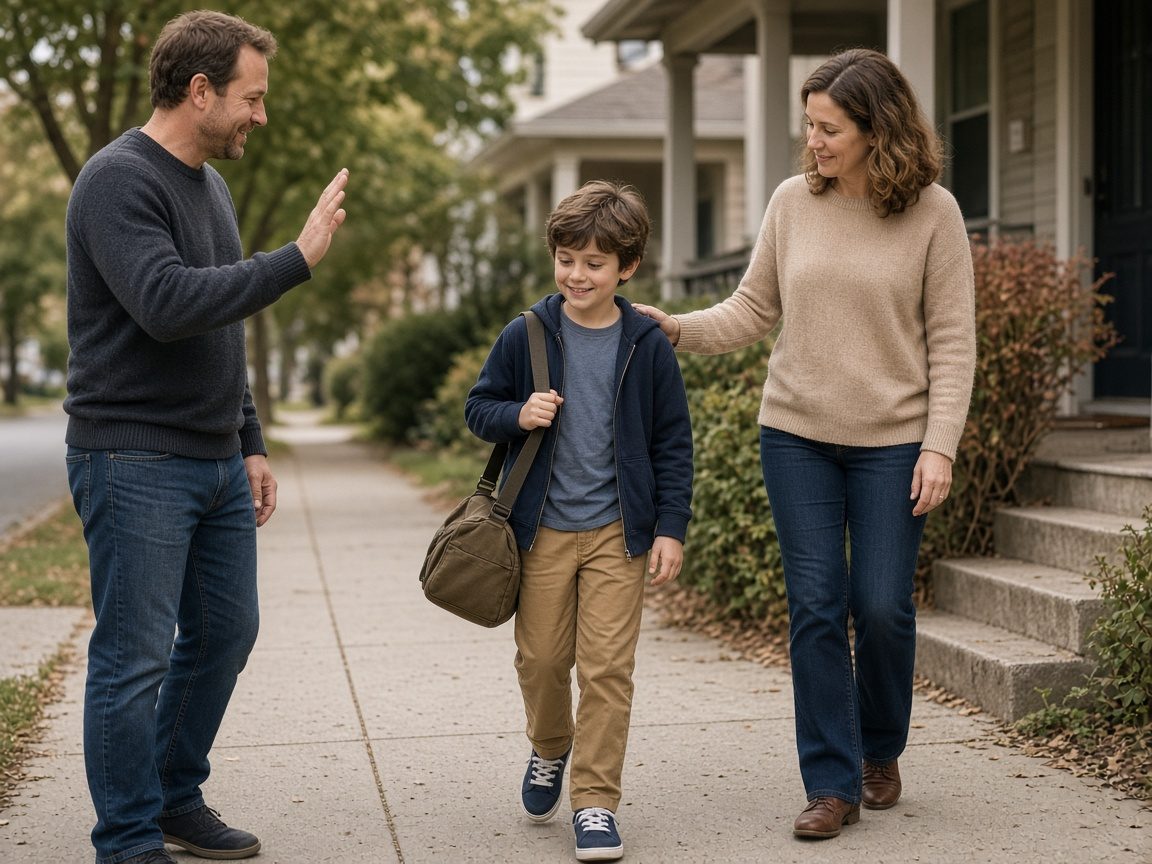
Co-parenting after separation: conflict is the thing that matters most
Decades of divorce research point to one factor above most others. How much conflict children are exposed to, and whether they get caught in the middle.
Toddler & Preschool
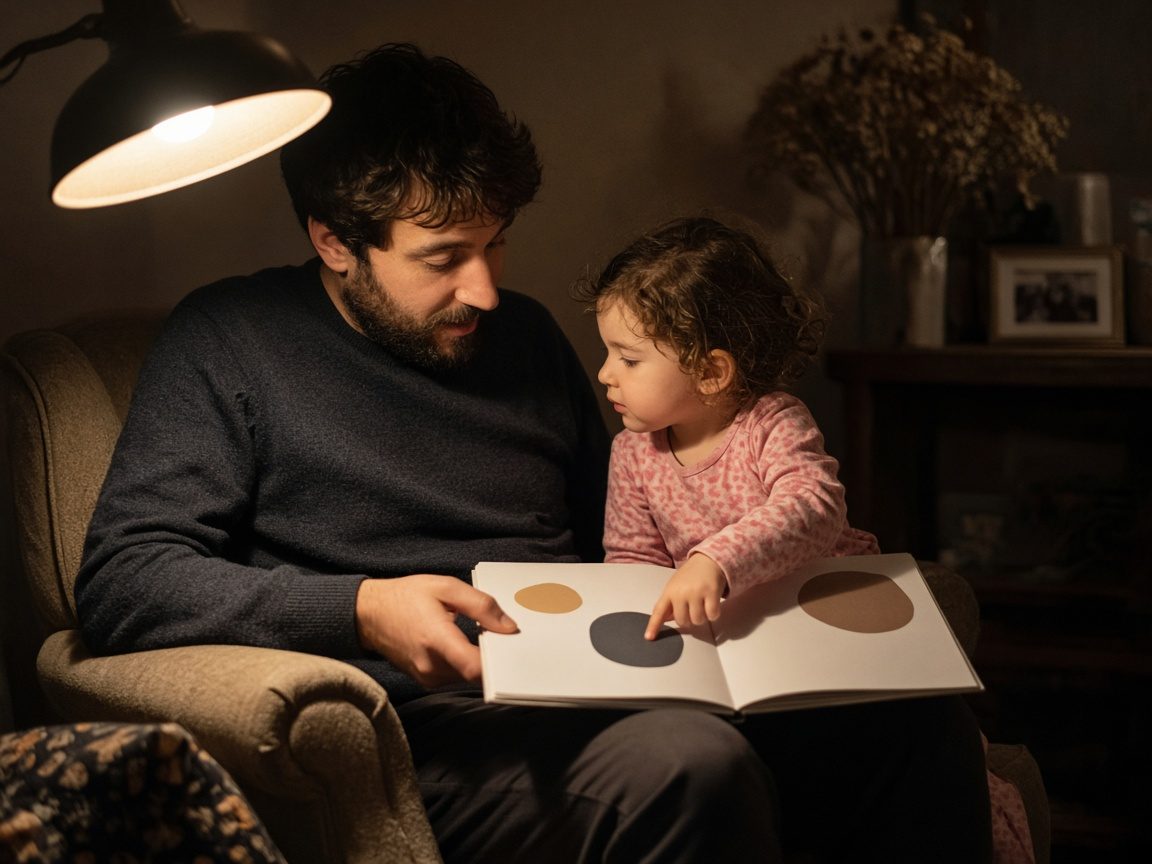
A bedtime routine that actually works, according to sleep research
A consistent bedtime routine is one of the best-studied sleep interventions for young children. Here's what it should include and how to keep it short.


The weekly letter
The “Repair After a Blowup” card, free.
A one-page printable for the fridge, plus one short research-backed lesson a week. No spam, unsubscribe any time.