
6 lessons
#anxiety
Worry, fears and anxious kids: what helps and what accidentally makes it worse.

Emotional Development
Perfectionism in kids: how to ease the pressure without lowering the bar
Perfectionism has risen among young people, and kids' sense of their parents' expectations has risen with it. Here's how to help a child care about doing well without fearing every mistake.

Secure Base
Daycare and preschool drop-off tears: how to say goodbye so it gets easier
Keep goodbyes short, warm and predictable, never sneak out, and always come back when you said you would. Tears at drop-off are normal, and usually a sign of a strong bond.

Communication
Talking to kids about scary news: shootings, disasters, war and more
Find out what they already know, give honest answers sized to their age, limit the replay of disturbing coverage, and remind them of the people keeping them safe.

Emotional Development
Mental health warning signs in teens, and how to ask about suicide
Moodiness is normal. Some changes aren't. Here's how to tell the difference, how to ask your teen directly if they're thinking about suicide, and where to get help, including 988.
Emotional Development
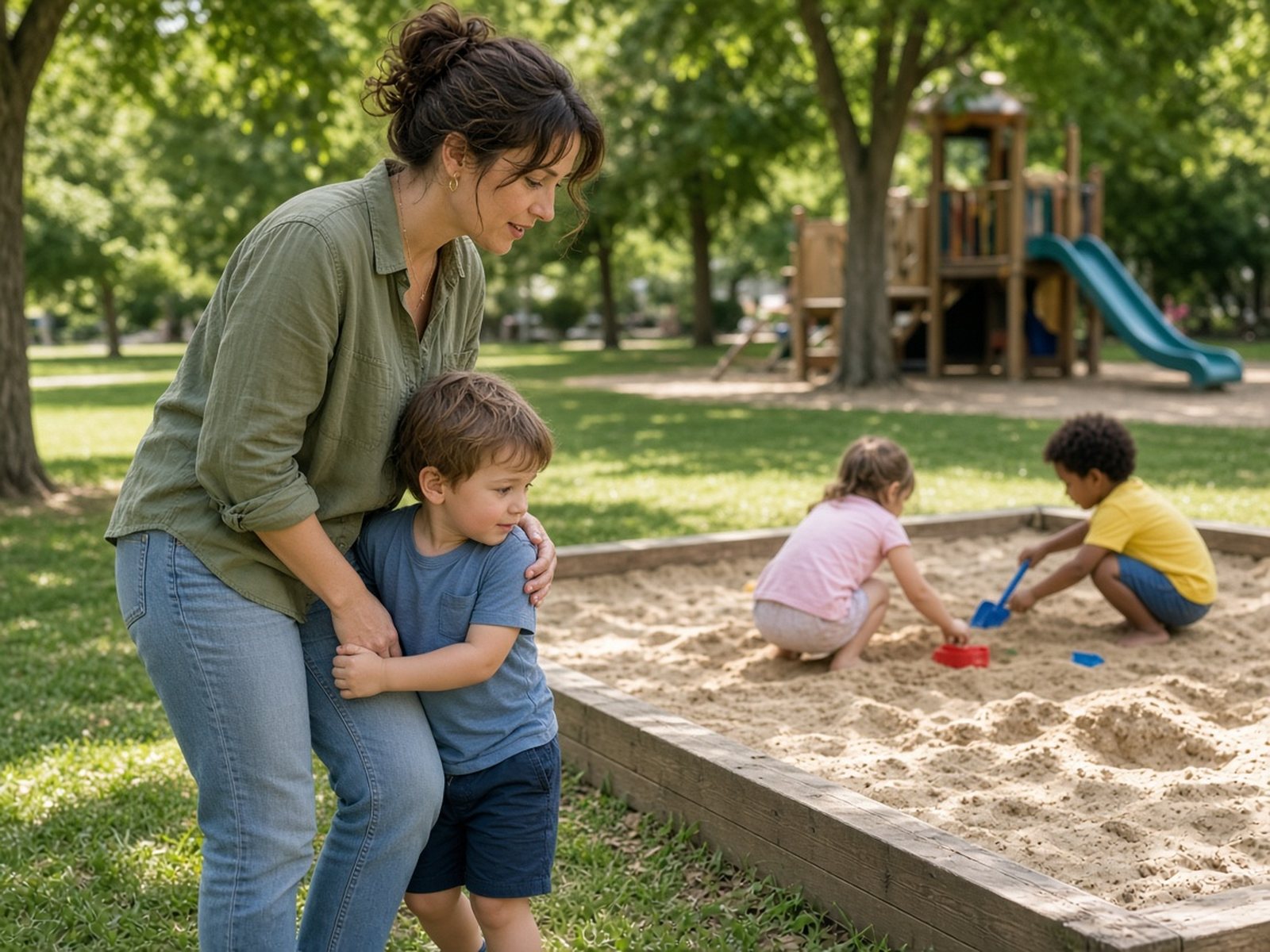
The shy child: how to help without pushing too hard or protecting too much
Shyness is a temperament, not a flaw. Shy kids do best with warm encouragement and small, steady steps, not labels, pressure, or being rescued from every new situation.

Emotional Development
When your child is anxious: why less accommodation helps more
Loving parents naturally rearrange family life around a child's fears. A Yale-developed program shows that gently scaling that back, with lots of warmth, can reduce anxiety as much as therapy for the child.


The weekly letter
The “Repair After a Blowup” card, free.
A one-page printable for the fridge, plus one short research-backed lesson a week. No spam, unsubscribe any time.