
10 lessons
#connection
Small daily moments that build a close, trusting relationship.
Teens
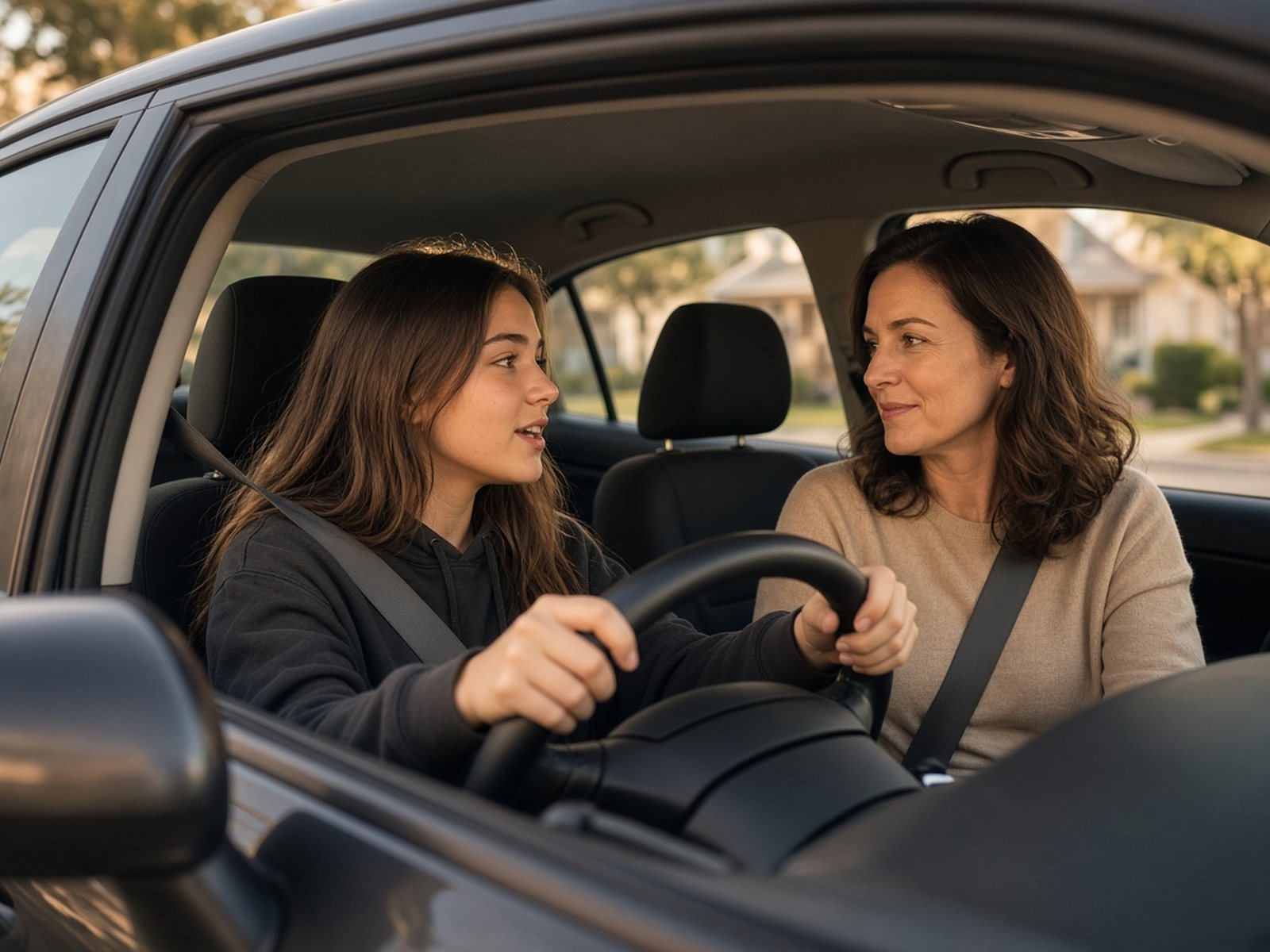
The car keys talk: how to raise a teen who owns the wheel
Phones, drinking, weed, tired drives, speeding, a car full of friends. The driving talk works best as a long series of calm conversations, plus one promise: call me, and I'll come, no questions.
School Years
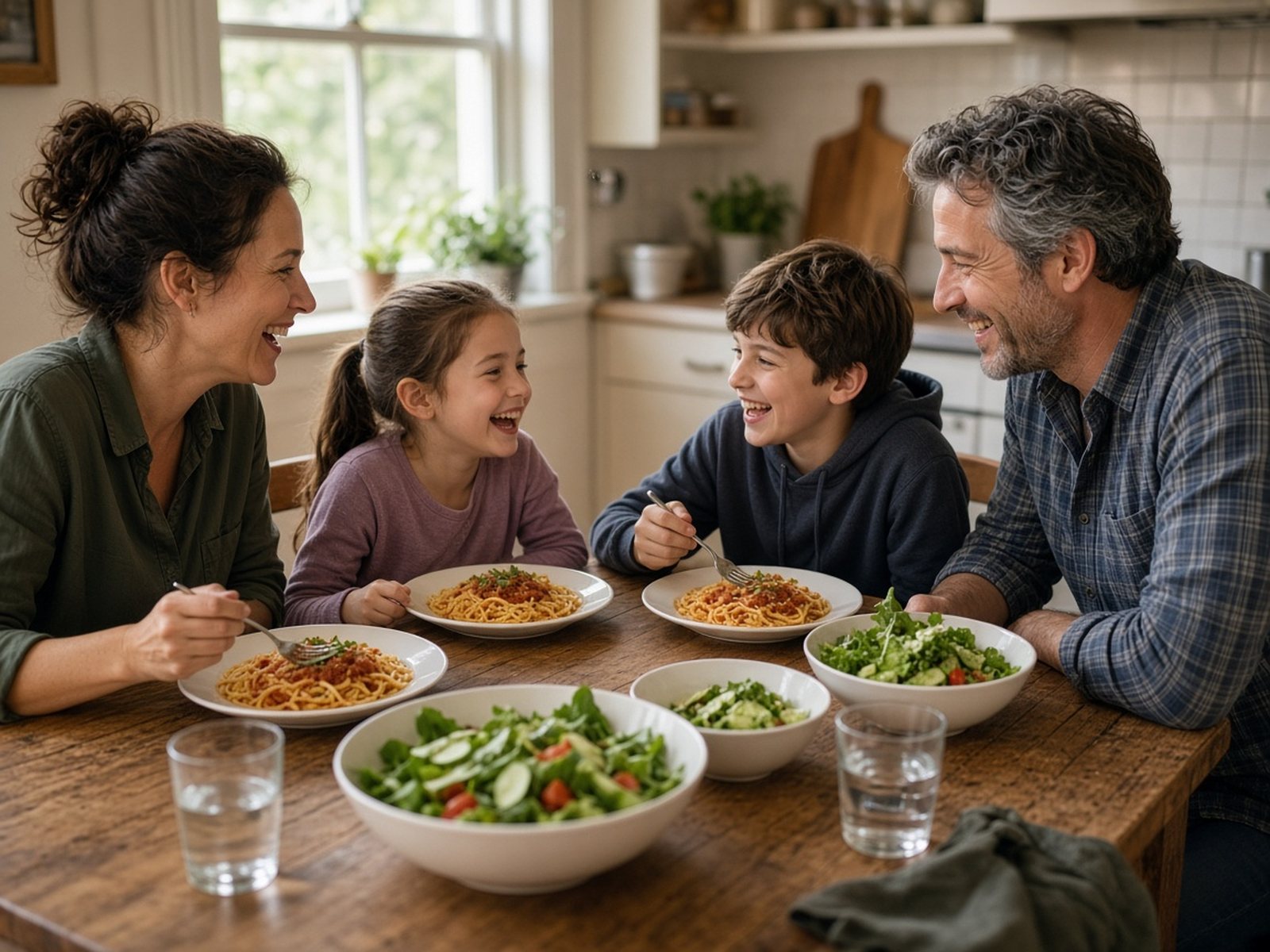
Family meals: why eating together matters more than what's on the plate
Kids who share regular family meals tend to eat better, and the table gives you a daily, low-pressure place to talk. It doesn't have to be dinner, and it doesn't have to be fancy.
Emotional Development
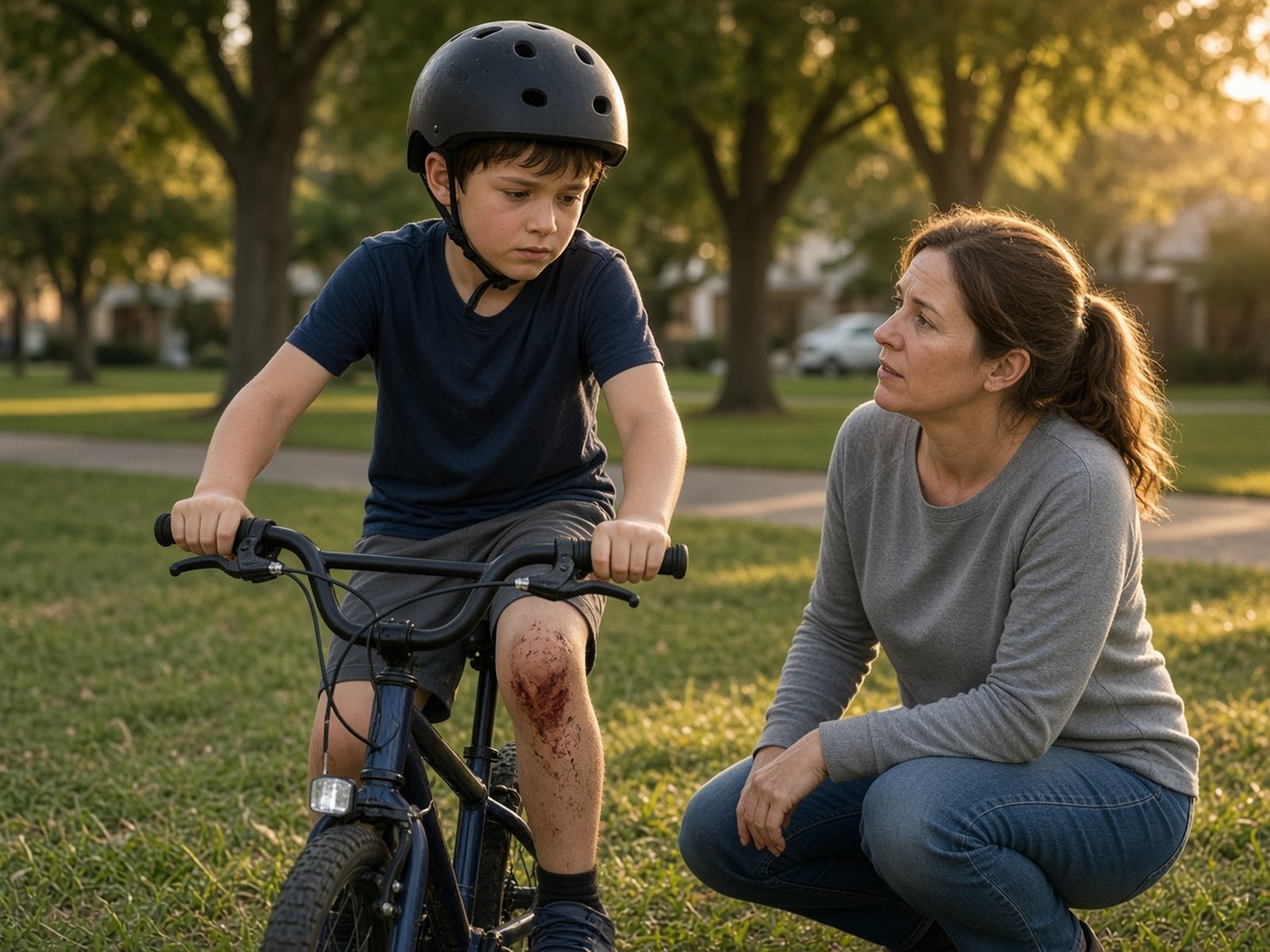
Building resilience in kids: what actually helps children bounce back
Resilience isn't a rare trait some kids are born with. It grows from steady relationships, manageable challenges, and chances to solve problems with a safety net nearby.
Teens
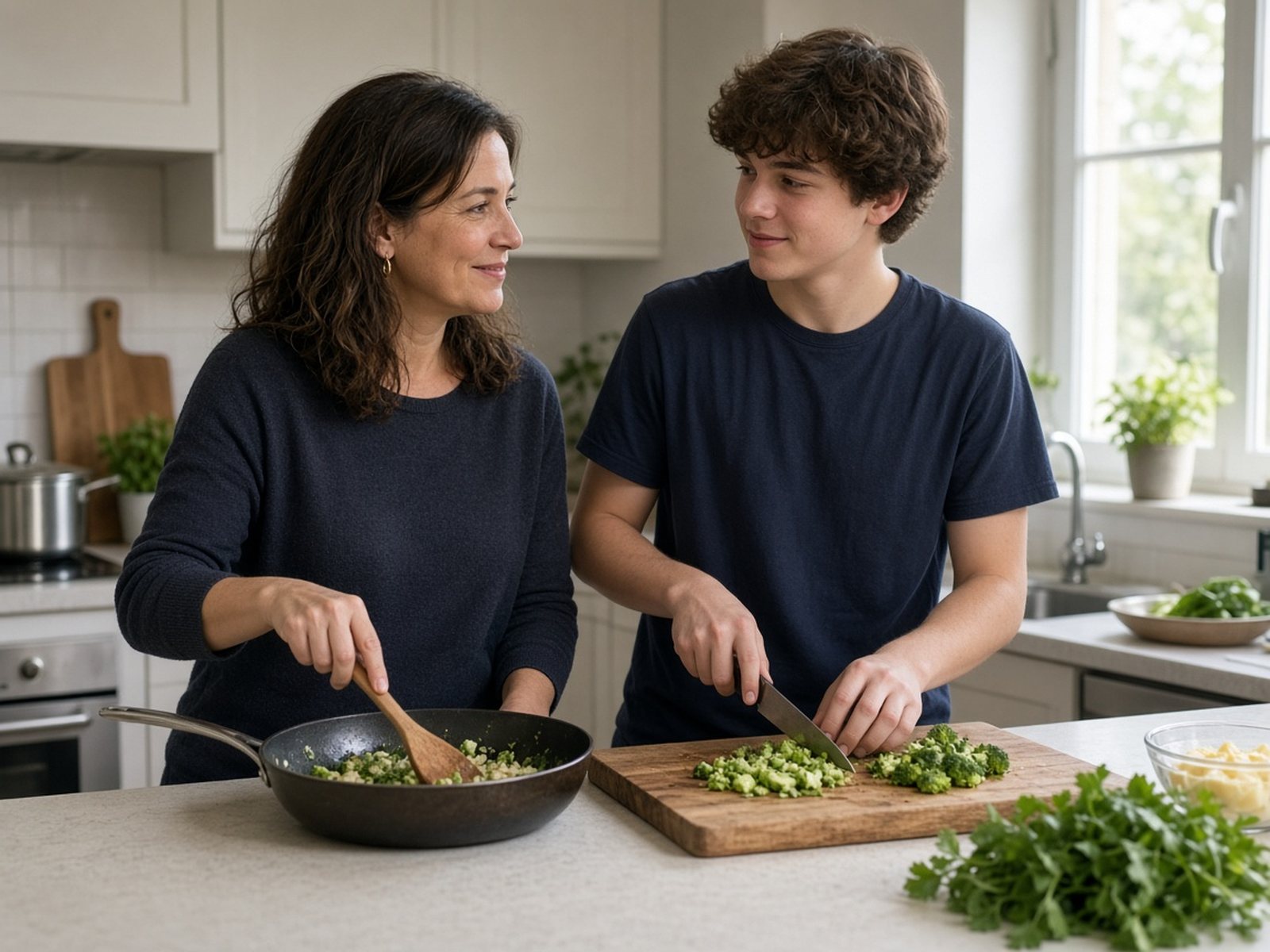
Vaping, alcohol, weed and counterfeit pills: the substance talk for right now
The drug talk most of us got doesn't cover fake pills sold on social media. Here's an honest, calm version for today's tweens and teens, built on connection instead of scare tactics.
Teens
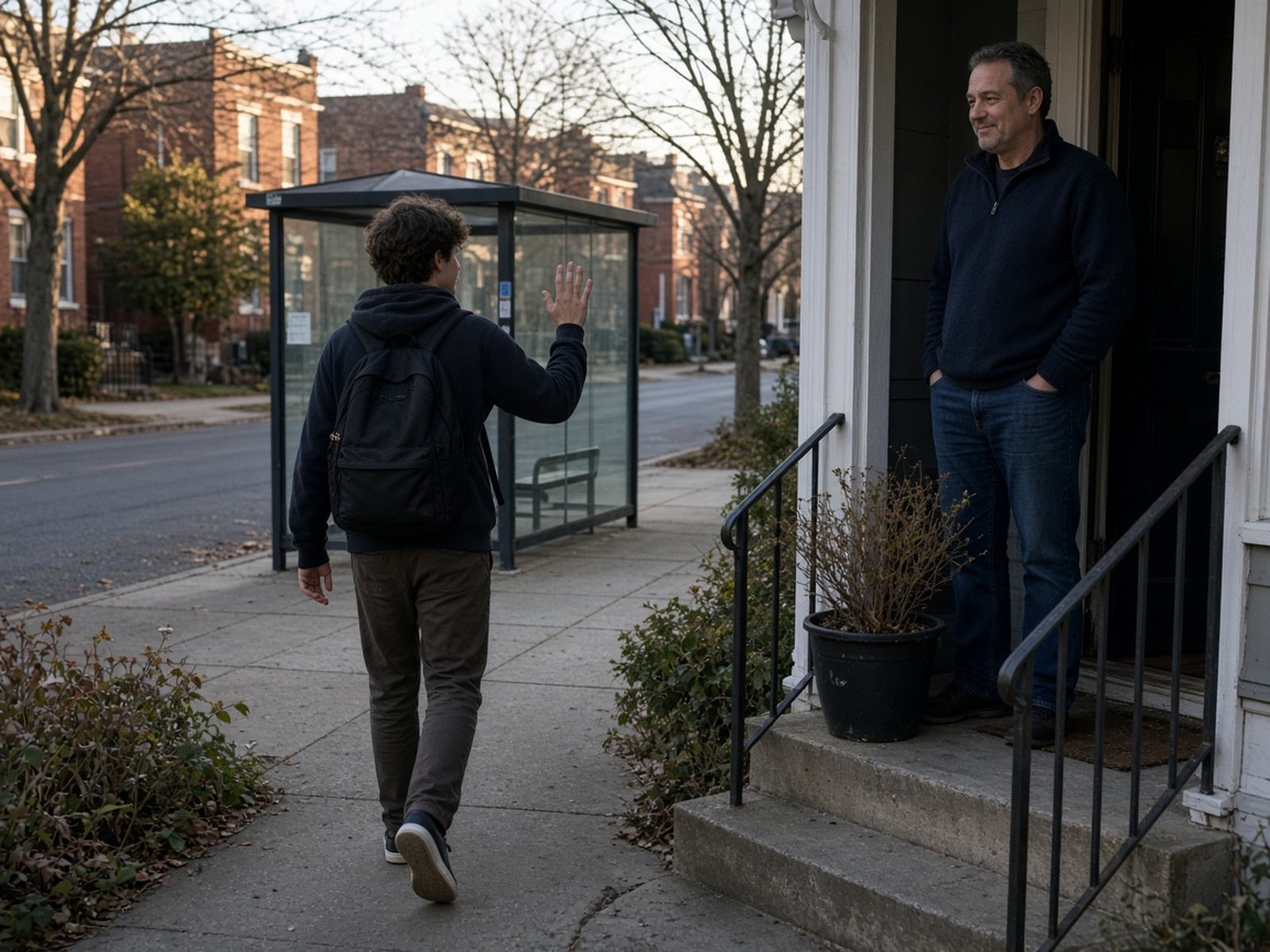
Giving teens independence: how to let go without losing touch
Teens need growing freedom to build judgment. Hand over responsibility in steps, keep expectations clear, and focus on a relationship where they actually tell you things.
Emotional Development
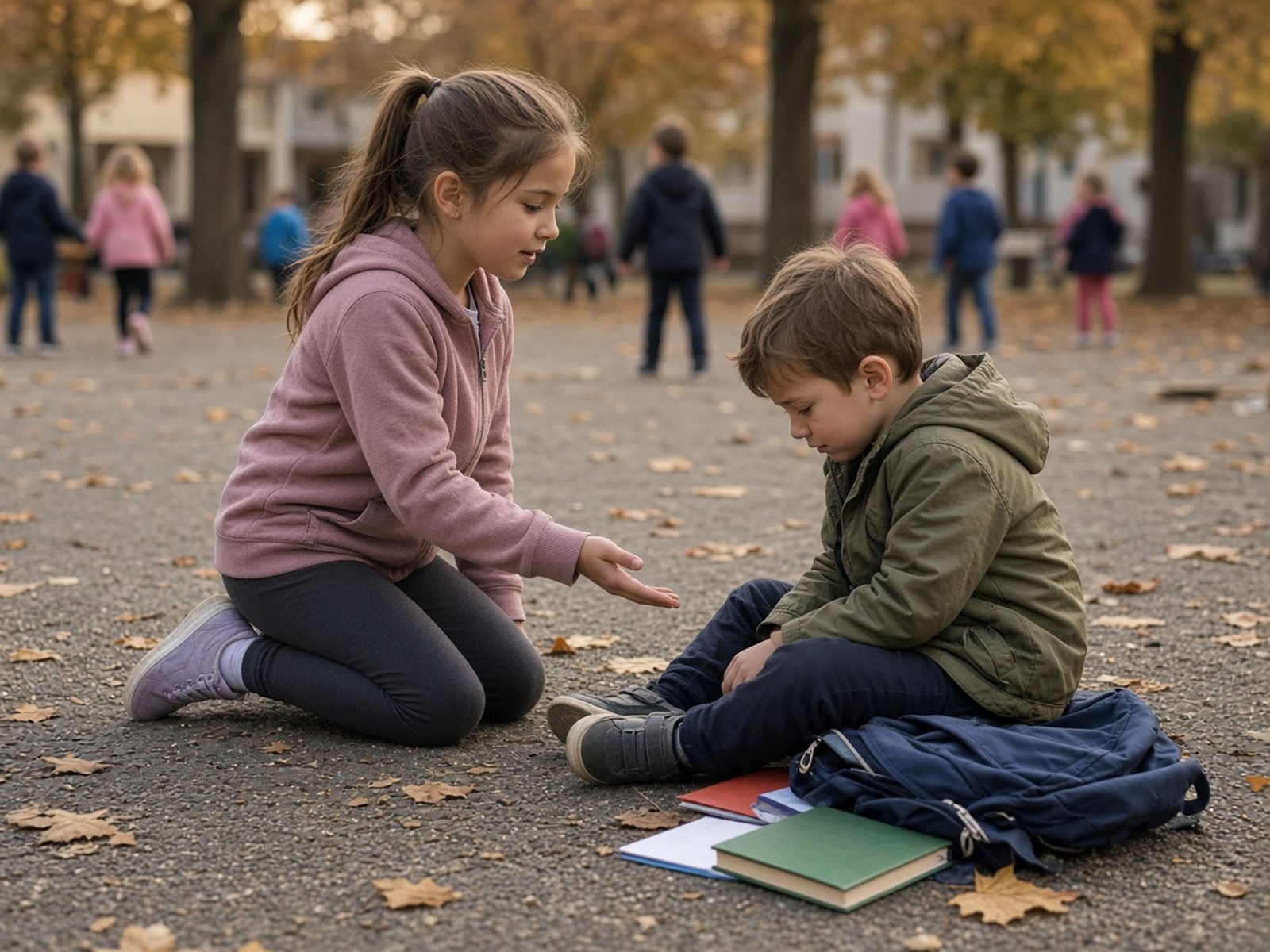
Raising a kind kid: how empathy actually grows, and what parents can do
Even toddlers try to help. Empathy grows when kids see it modeled, get to practice it, and hear that caring about others actually matters to you.

Emotional Development
Mental health warning signs in teens, and how to ask about suicide
Moodiness is normal. Some changes aren't. Here's how to tell the difference, how to ask your teen directly if they're thinking about suicide, and where to get help, including 988.
School Years
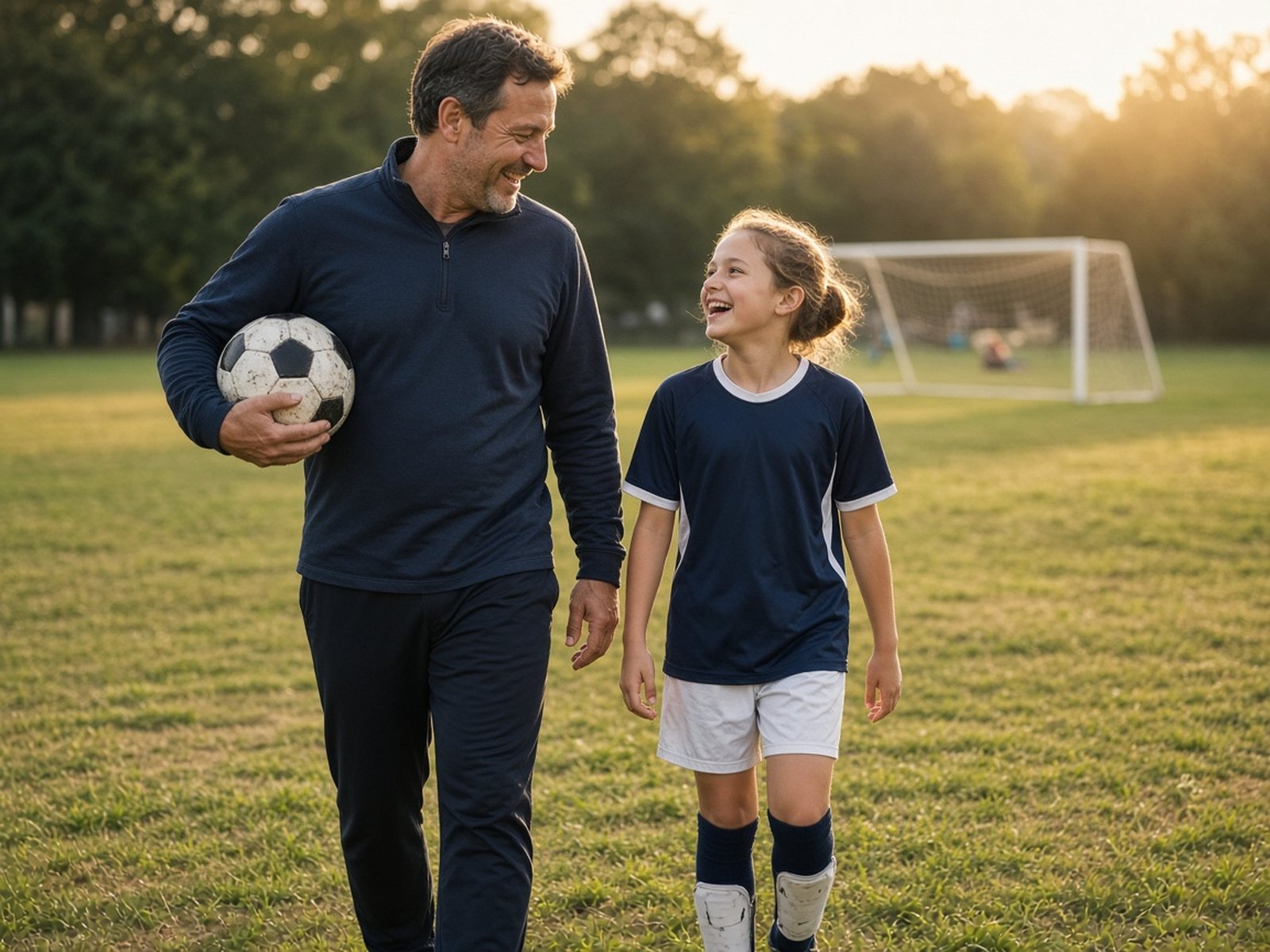
Kids and sports: keeping it fun, avoiding burnout, and being a good sideline parent
Kids mostly play sports for fun and friends. Pediatricians advise against early single-sport specialization, and the best sideline role is cheerleader, not coach.
Secure Base
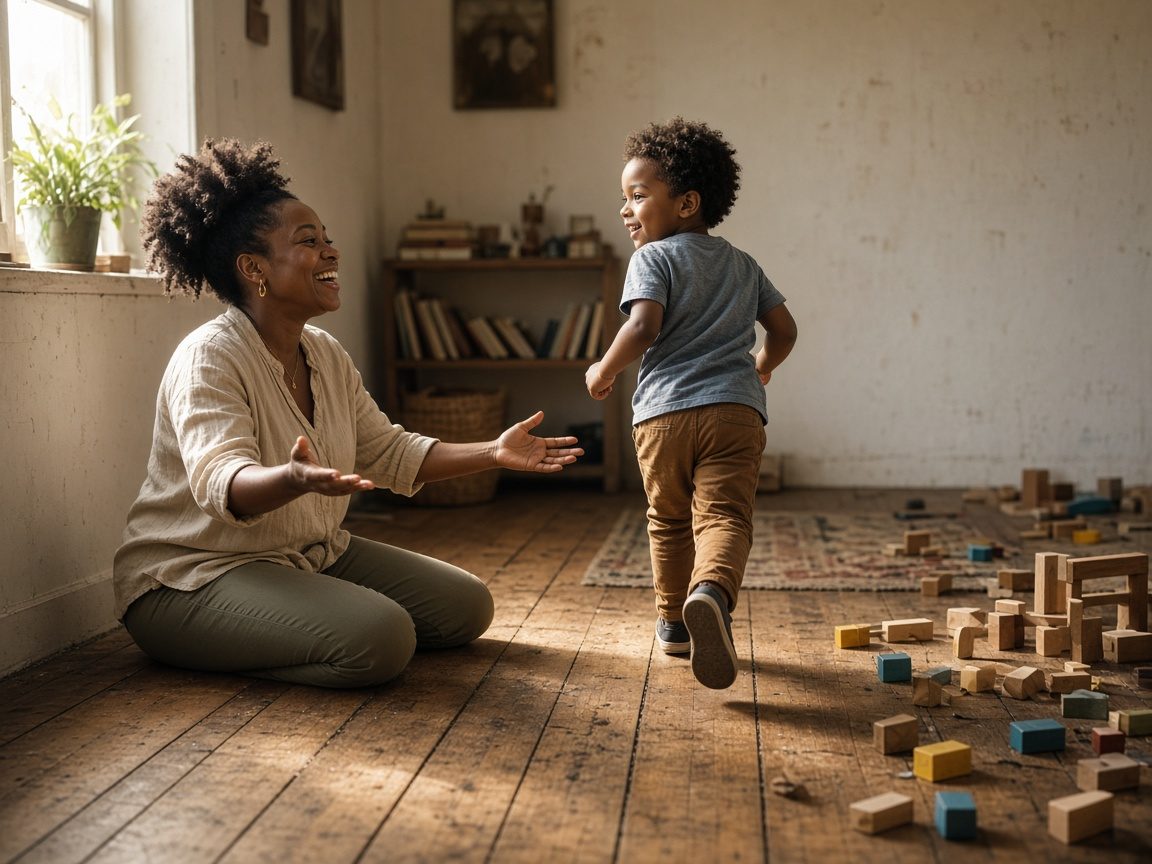
What a "secure base" actually looks like on an ordinary Tuesday
Attachment theory sounds academic until you watch a four-year-old at a playground. Here is what Bowlby and Ainsworth meant, translated into a regular weekday.

Teens
Staying close to a teenager who seems to want distance
Teens pull away for good developmental reasons. The research suggests the parents who stay most connected are the ones teens trust to stay calm.


The weekly letter
The “Repair After a Blowup” card, free.
A one-page printable for the fridge, plus one short research-backed lesson a week. No spam, unsubscribe any time.