
16 lessons
Toddler & Preschool
Tantrums, routines and the early years.
Toddler & Preschool
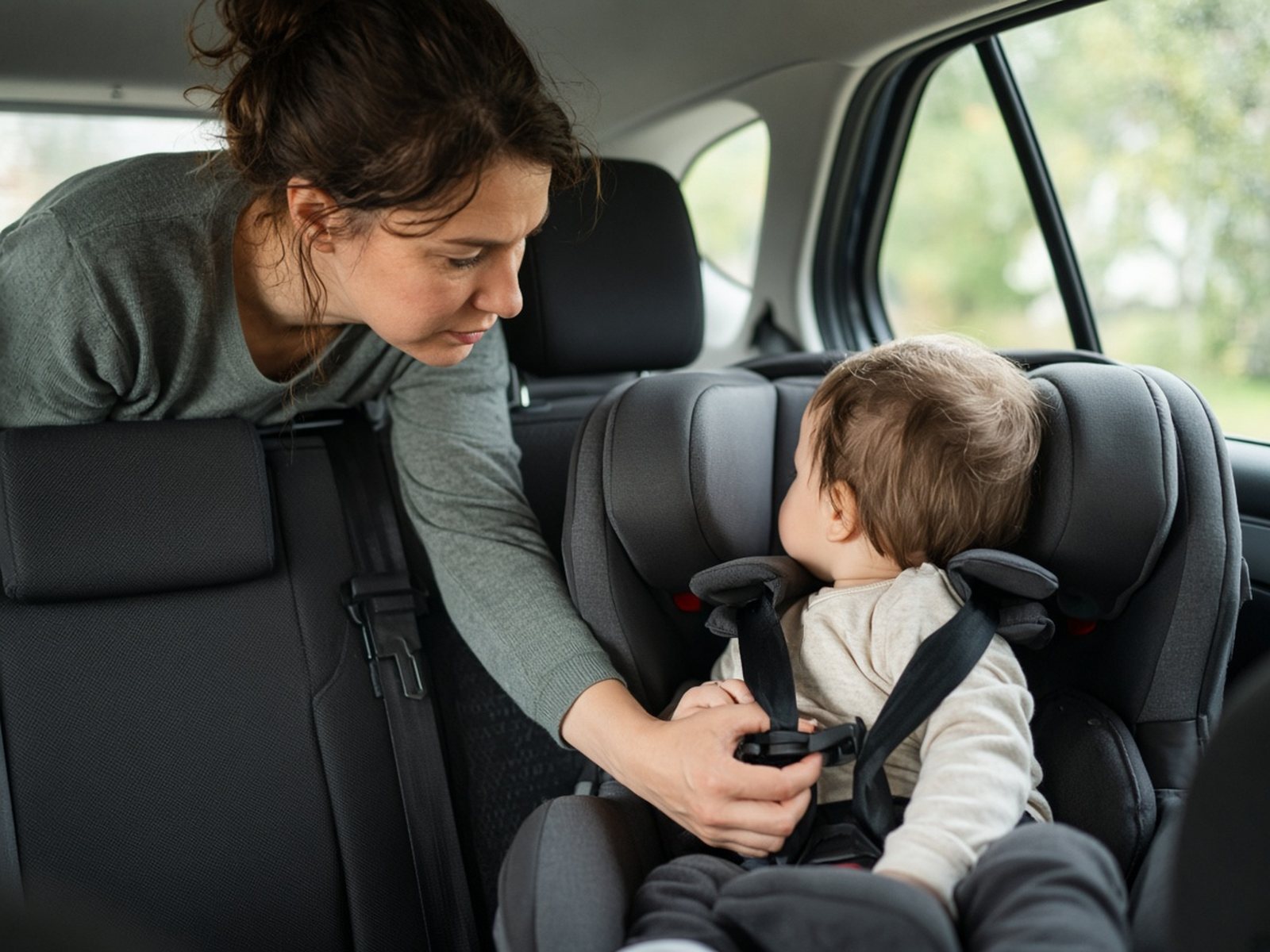
Car seat stages: rear-facing, forward-facing, booster, and when to move up
Keep your child in each car seat stage as long as the seat allows, rather than moving up as soon as they hit a minimum. Rear-facing first, then forward-facing with a harness, then a booster until the seat belt fits.
Toddler & Preschool
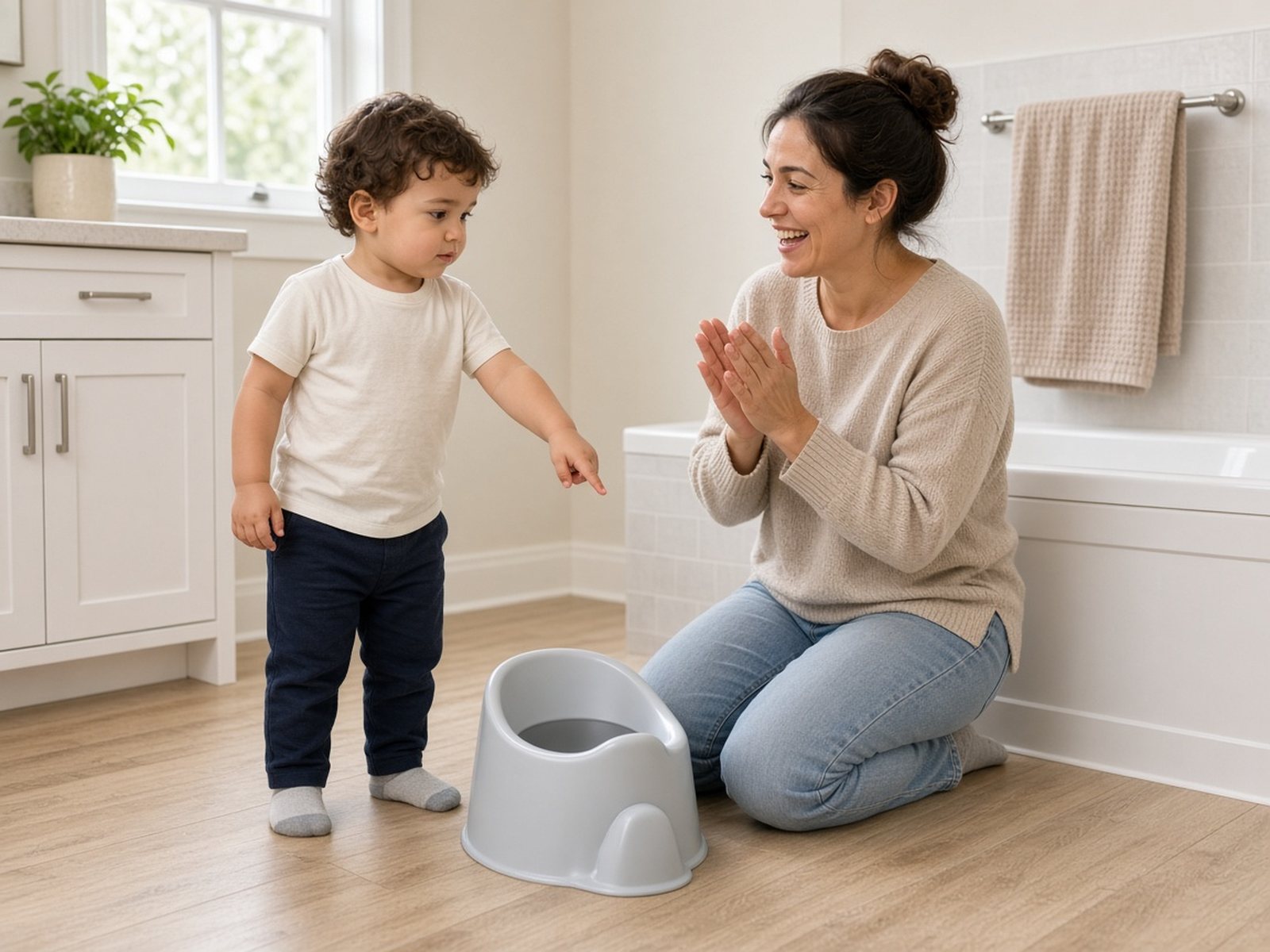
Potty training: signs your child is ready, and how to start without a fight
Most children are ready somewhere between about 18 months and 3 years. Watch for the signs, keep it low-key, and expect accidents. Pressure tends to slow things down.
Toddler & Preschool
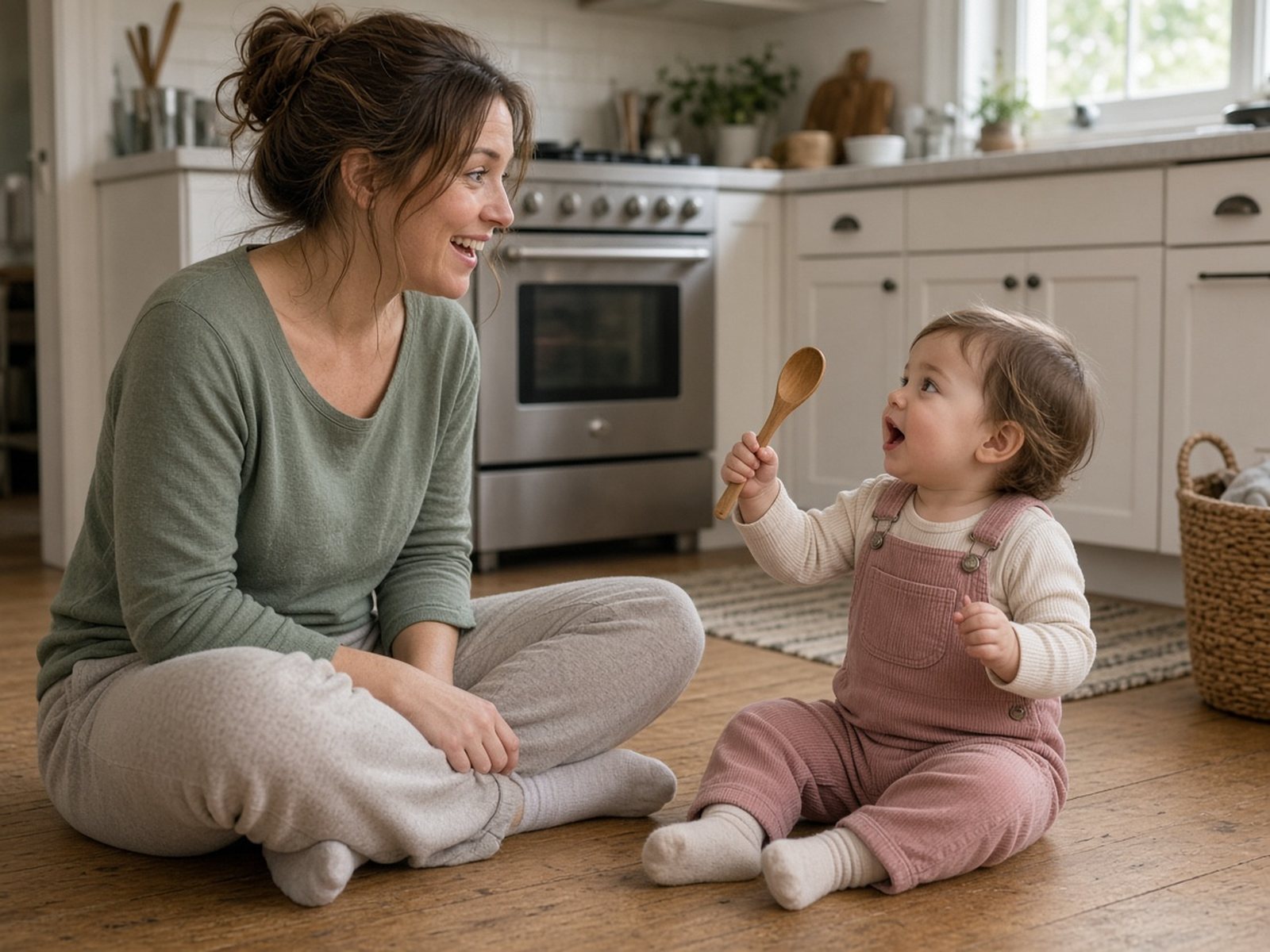
Serve and return: the everyday back-and-forth that builds a baby's brain
Your toddler points, you look and name it, they babble back. That tiny exchange, repeated thousands of times, is one of the most important things you'll ever do for their brain.
Toddler & Preschool
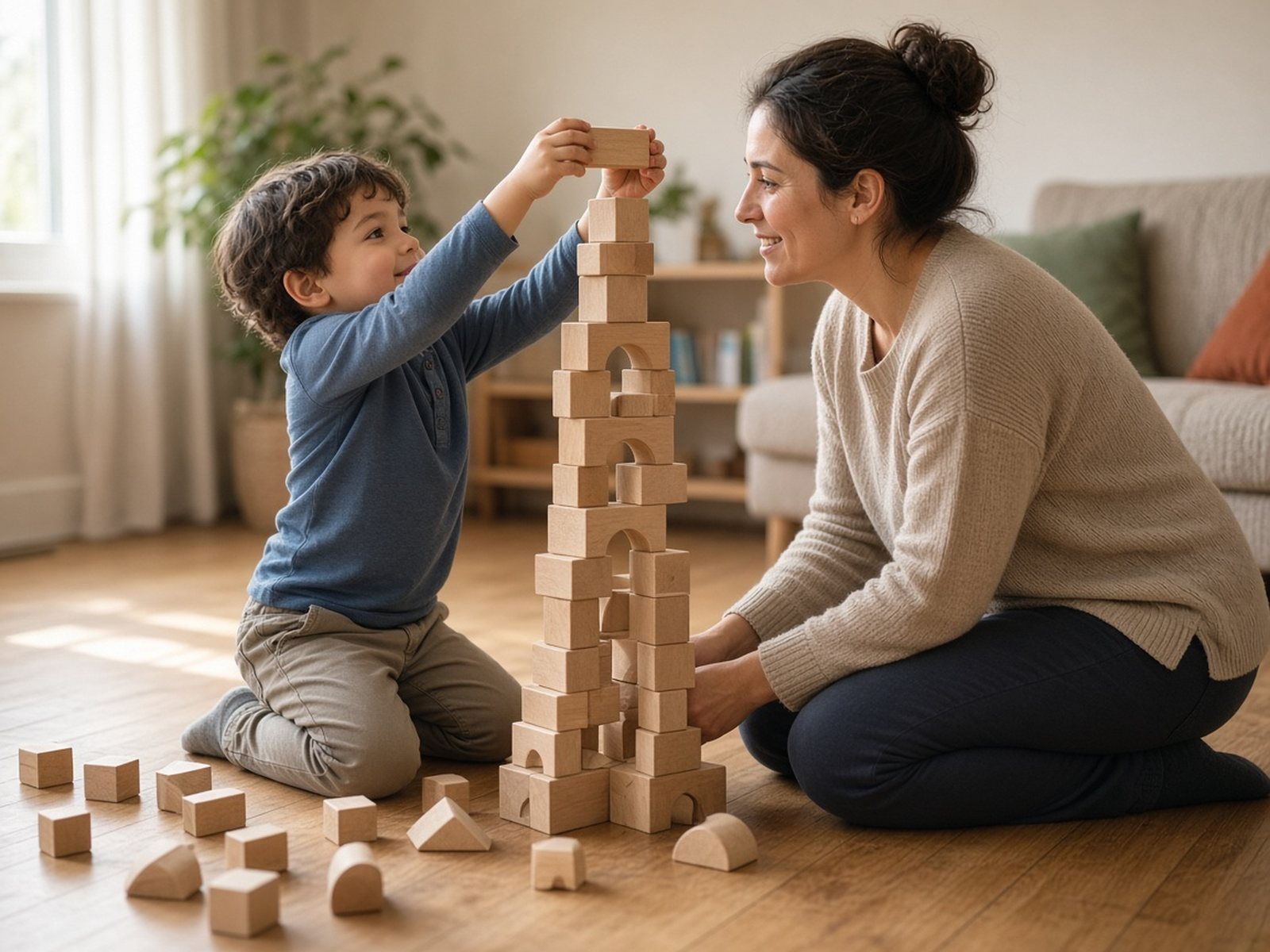
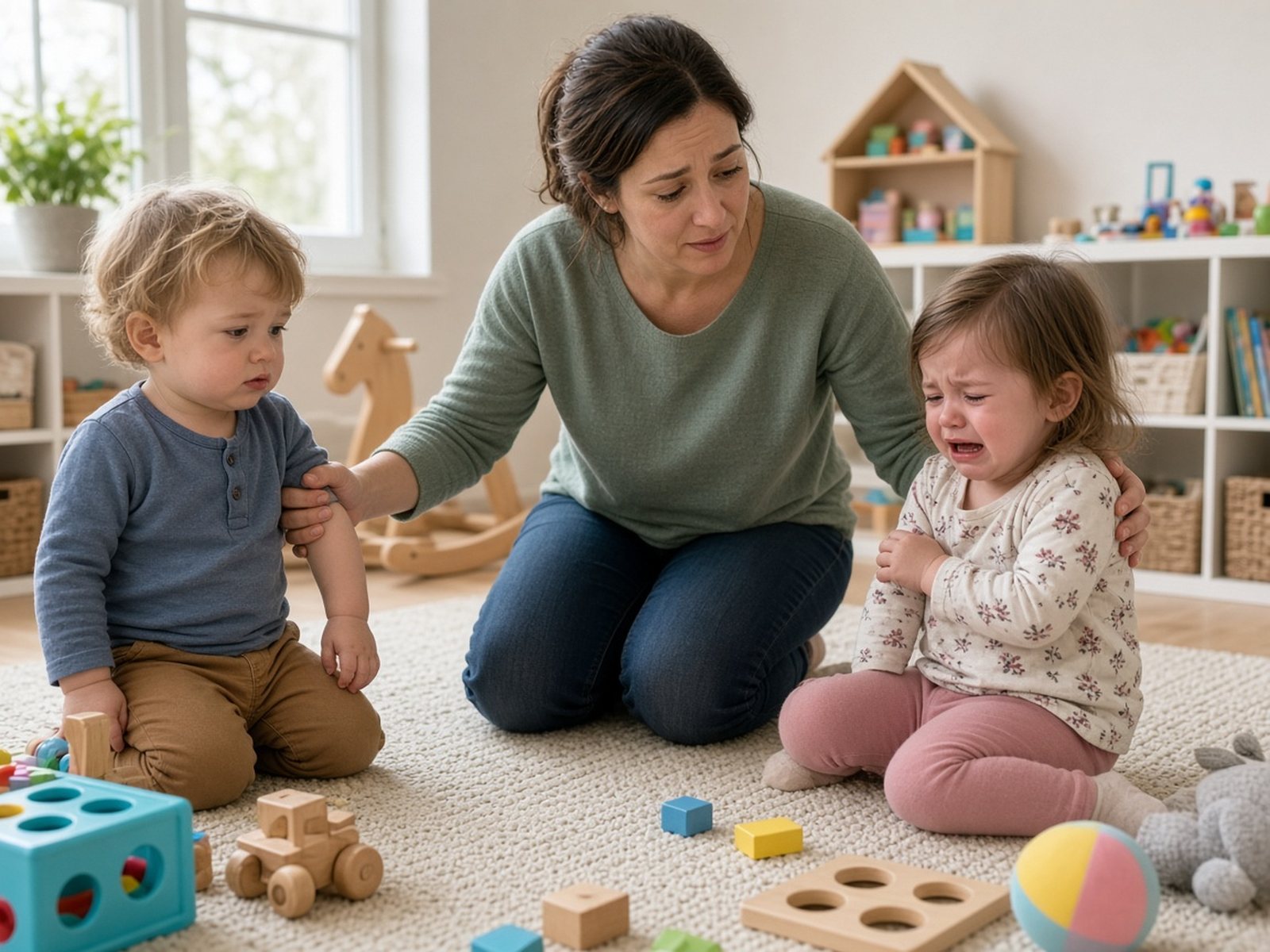
Why play matters so much for young kids, and how to join in
Play isn't a break from learning. For young children it is learning, and the American Academy of Pediatrics says doctors should prescribe it. Here's how to make room for it.
Toddler & Preschool
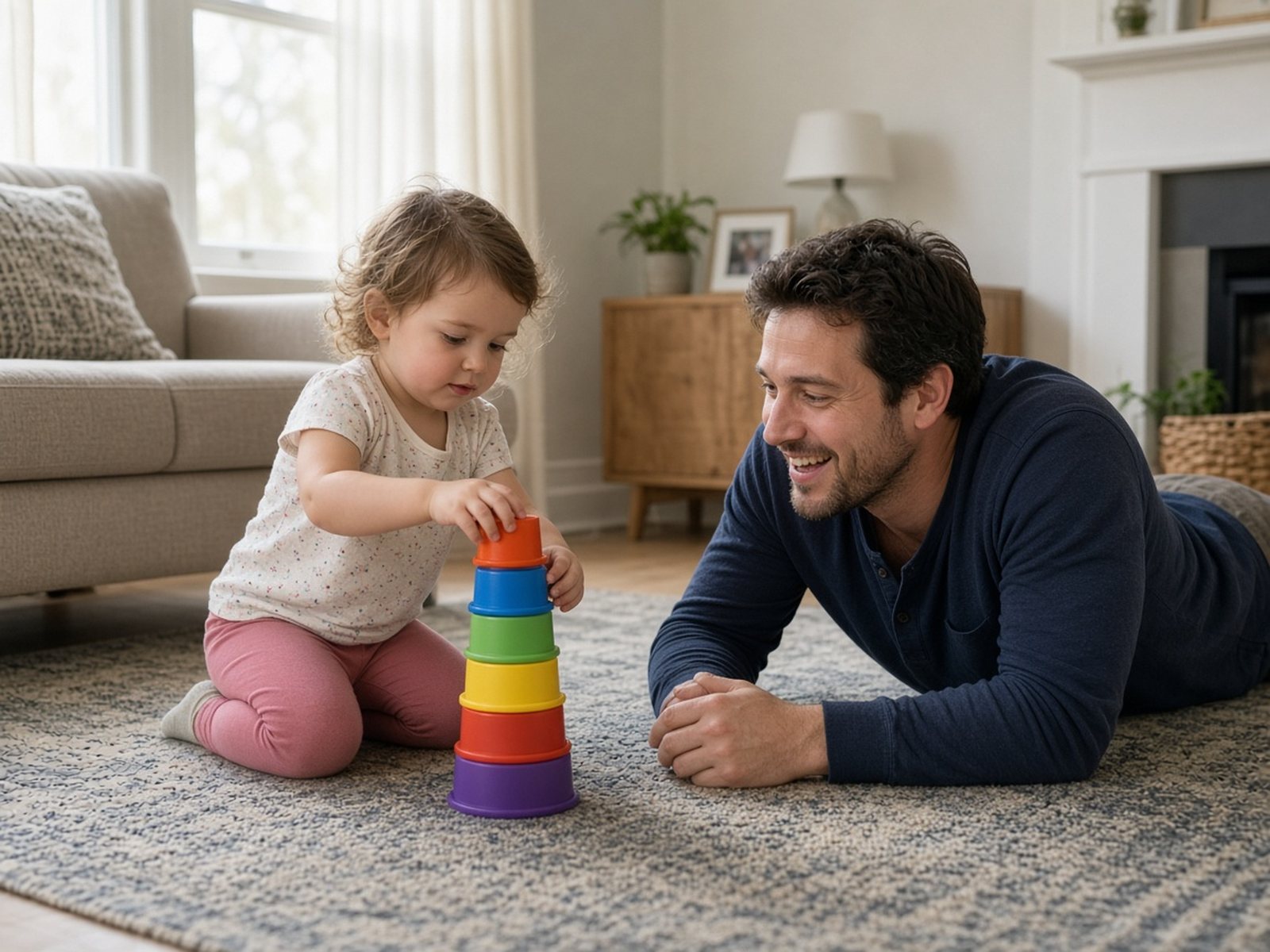
When your toddler bites or hits: what to do in the moment and after
Stop it calmly, comfort the child who got hurt, and teach what to do instead. Hitting back, biting back or yelling usually makes it worse.
Toddler & Preschool
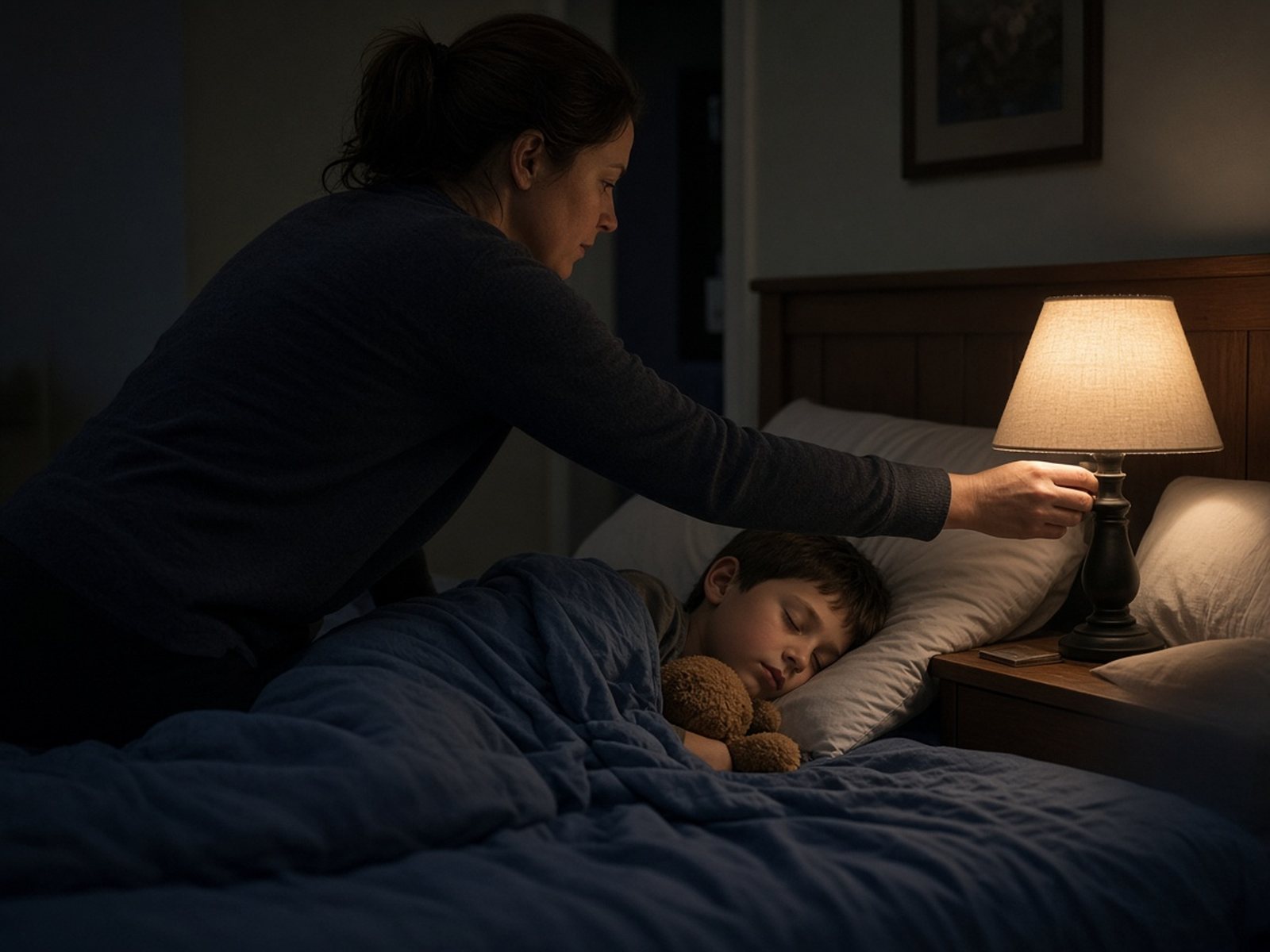
Developmental milestones: what's typical, and when to ask for help
The CDC's milestone lists now show what most children (75% or more) can do by each age. If your child misses one, that's a reason to check in early, not to wait and see.
Toddler & Preschool
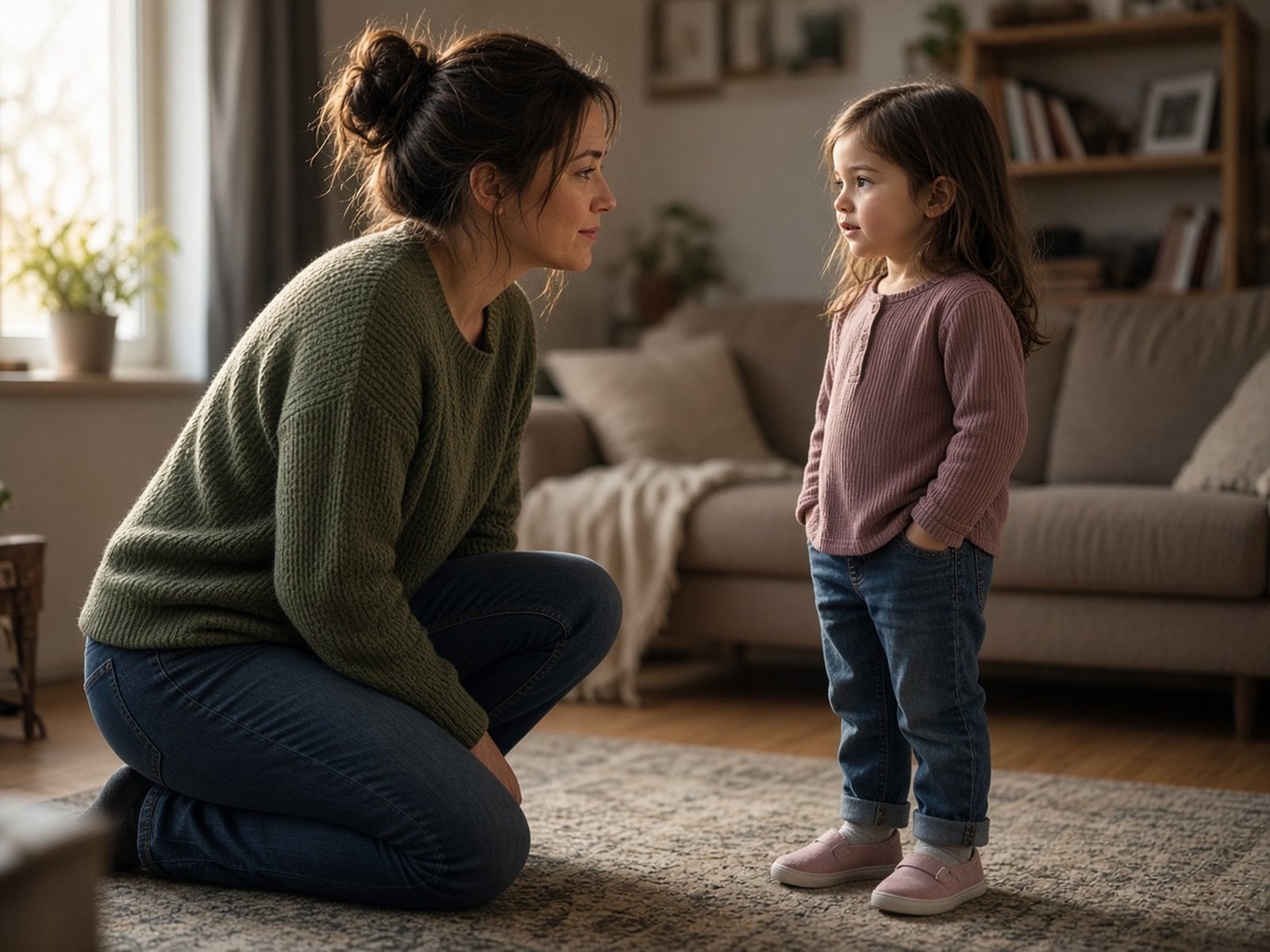
How much sleep do kids need? A chart by age, and what to do when they don't get it
Toddlers need 11 to 14 hours in 24, preschoolers 10 to 13, school-age kids 9 to 12 and teens 8 to 10, according to the American Academy of Sleep Medicine. Here's how to get closer.
Toddler & Preschool
Body safety: how to talk to kids about private parts, consent and secrets
Use correct names for body parts, teach that no one should touch or look at private parts except to keep them healthy, swap "secrets" for "surprises," and make sure your child knows they can always tell you.

Toddler & Preschool
Screen time for toddlers and preschoolers: what the guidelines say
Pediatricians suggest skipping screens before 18 to 24 months except video chat, and about an hour a day of high-quality shows for ages 2 to 5, watched with you when you can.

Toddler & Preschool
How to help your toddler talk: what works, and when to check in
Talk with them, not at them. Name things, wait for answers, read together, and keep an eye on the CDC milestones so a delay doesn't slip by unnoticed.

Toddler & Preschool
Water safety for kids: how drowning really happens, and the layers that prevent it
Drowning is fast and quiet. Pediatricians recommend layers of protection: close, undistracted supervision, pool fencing, swim lessons, life jackets, and CPR skills for adults.
Toddler & Preschool
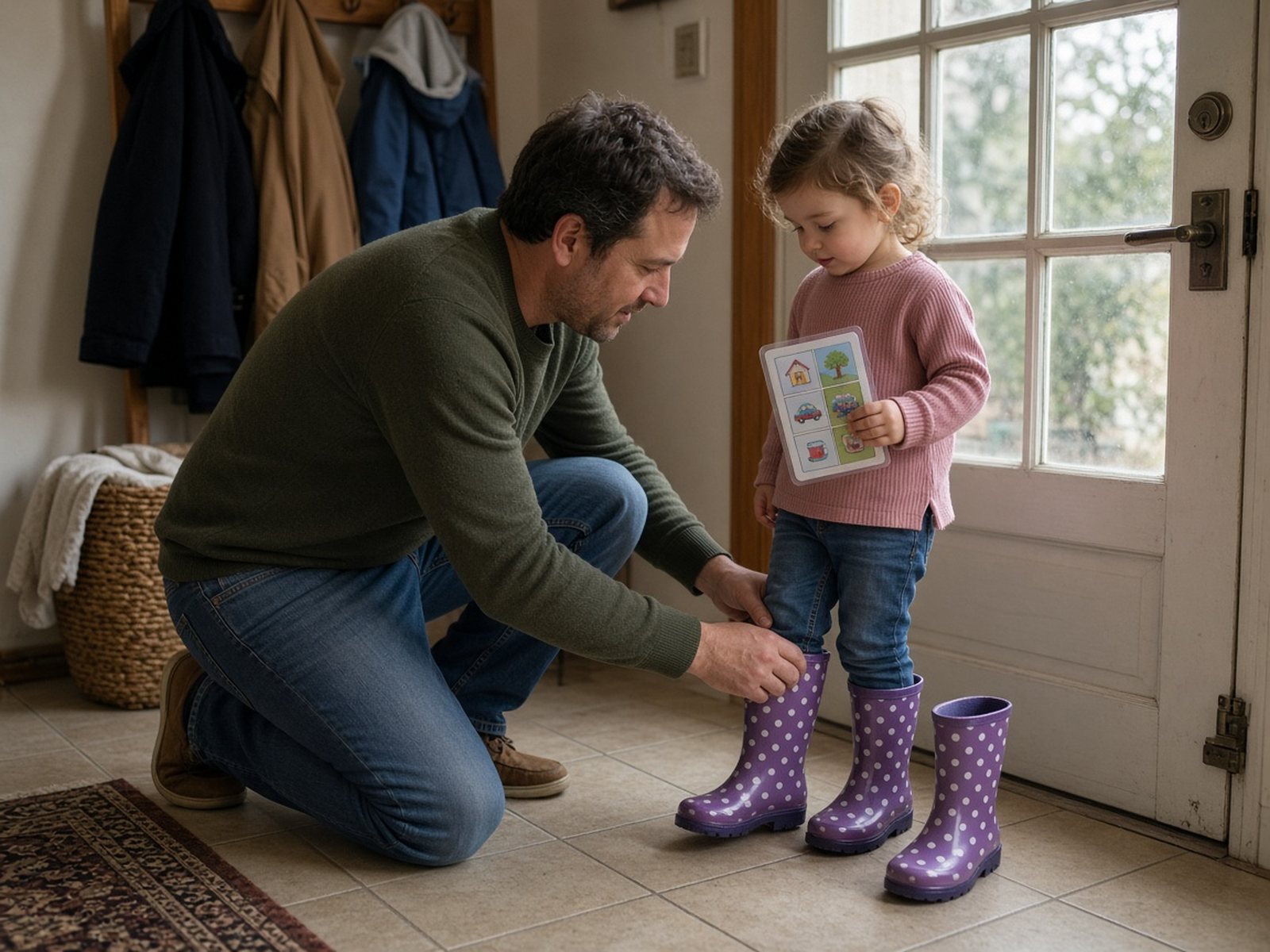
Transitions without tears: helping kids switch from one thing to the next
Leaving the park, turning off a show, getting out the door: transitions trigger a lot of meltdowns. Warnings, routines, small choices and a little play make them smoother.

Toddler & Preschool
Picky eating: how to stop the dinner battles without giving up on vegetables
You decide what, when and where food is served. Your child decides whether and how much to eat. That split, plus lots of no-pressure exposure, ends most food fights.

Toddler & Preschool
Reading aloud to your child: why it matters and how to make it stick
Read together every day, starting in infancy, and talk about the book as you go. It builds vocabulary, closeness and a love of stories, and you can keep doing it long after they can read.
Toddler & Preschool
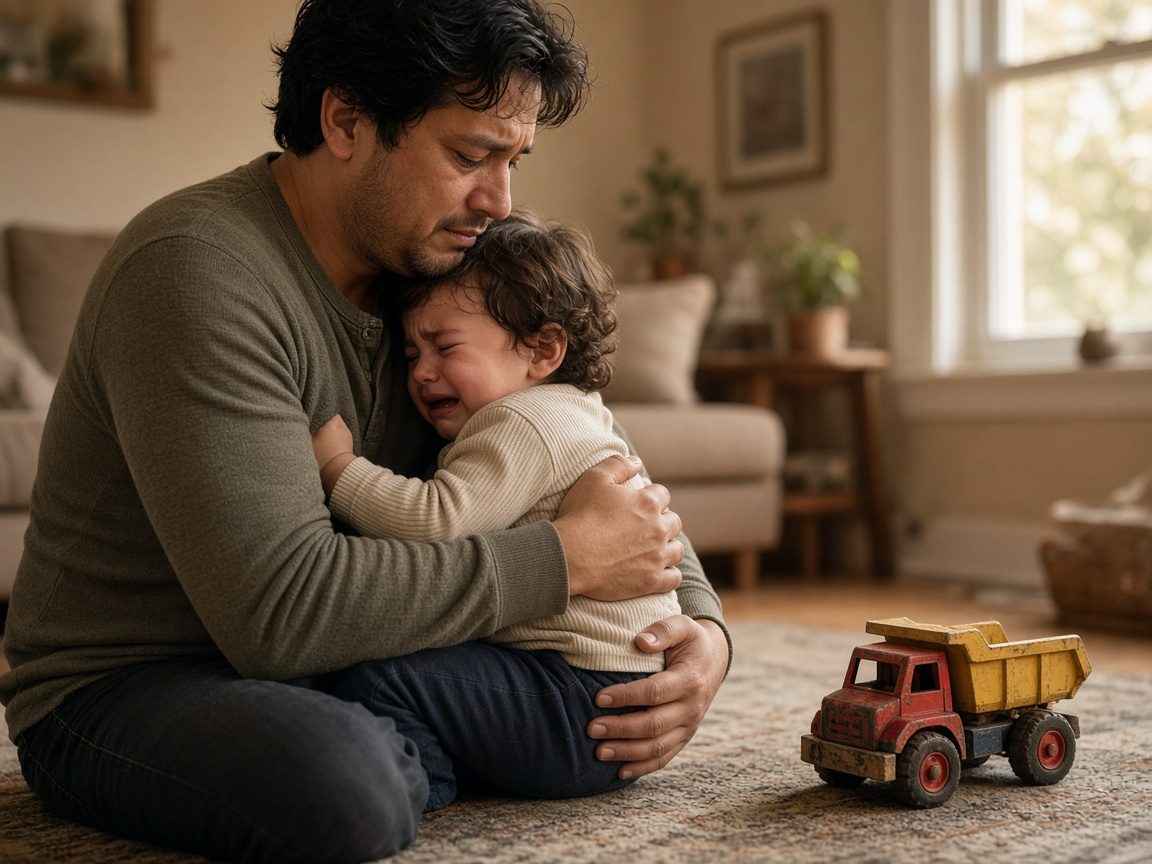
Toddler tantrums: what is going on inside, and what actually helps
Tantrums follow a surprisingly predictable pattern. Knowing the shape of one makes it far easier to stay calm and get through it.
Toddler & Preschool
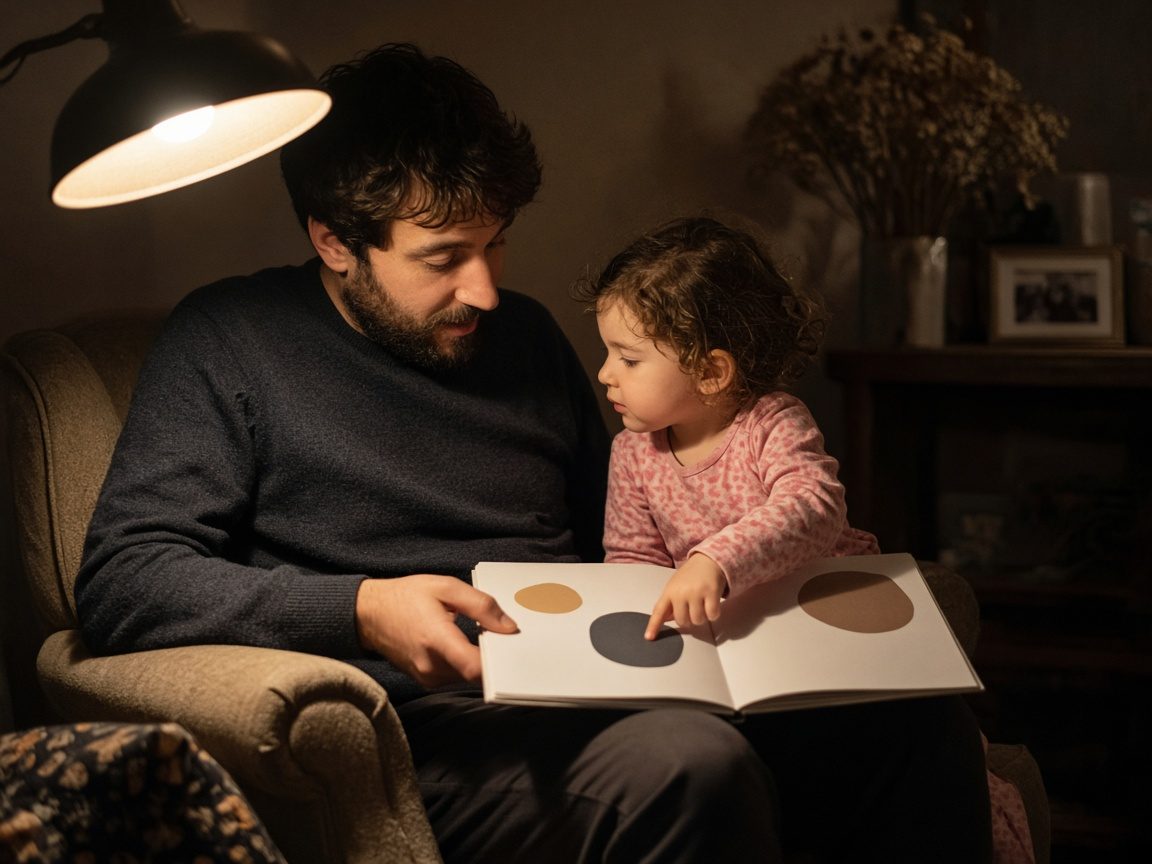
A bedtime routine that actually works, according to sleep research
A consistent bedtime routine is one of the best-studied sleep interventions for young children. Here's what it should include and how to keep it short.


The weekly letter
The “Repair After a Blowup” card, free.
A one-page printable for the fridge, plus one short research-backed lesson a week. No spam, unsubscribe any time.