
16 lessons
#teens
Independence, risk and staying close through adolescence.

Teens
The car keys talk: how to raise a teen who owns the wheel
Phones, drinking, weed, tired drives, speeding, a car full of friends. The driving talk works best as a long series of calm conversations, plus one promise: call me, and I'll come, no questions.

Teens
Consent, dating and the warning signs of an unhealthy relationship
Teens learn what love looks like from the relationships around them. Here's how to talk about consent, respect and dating violence early, often and without the lecture.

Teens
Why teenagers stay up late, and how to help them get enough sleep
Teens need 8 to 10 hours, but puberty shifts their body clock later while school starts early. It's biology, not laziness. Here's what parents can actually do about it.
Discipline Without Fear
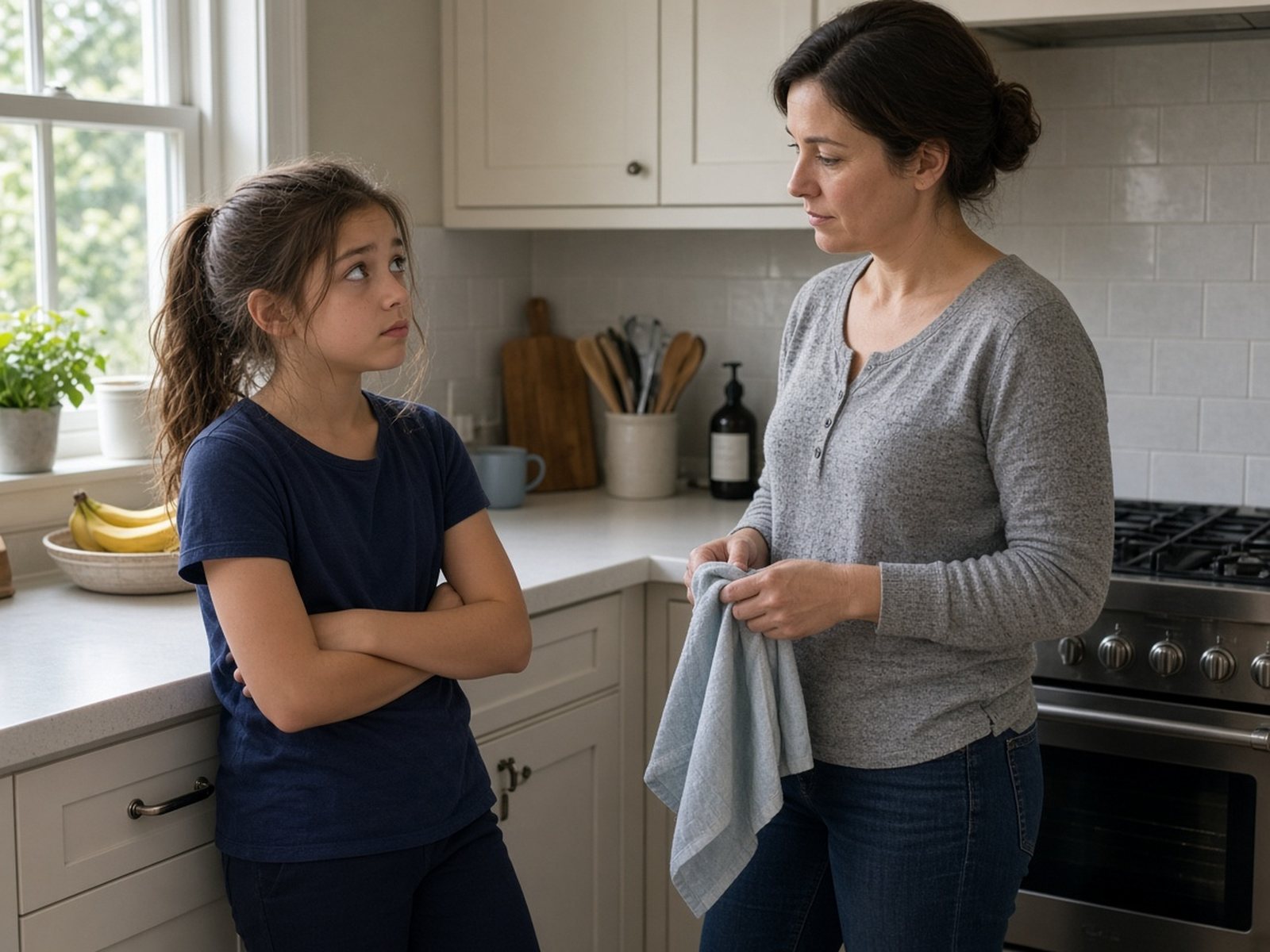
Back talk and eye-rolling: how to respond without starting a war
Back talk is annoying, but it's also a normal part of kids testing independence. Stay calm, set a clear line on disrespect, and listen for what's underneath.
School Years
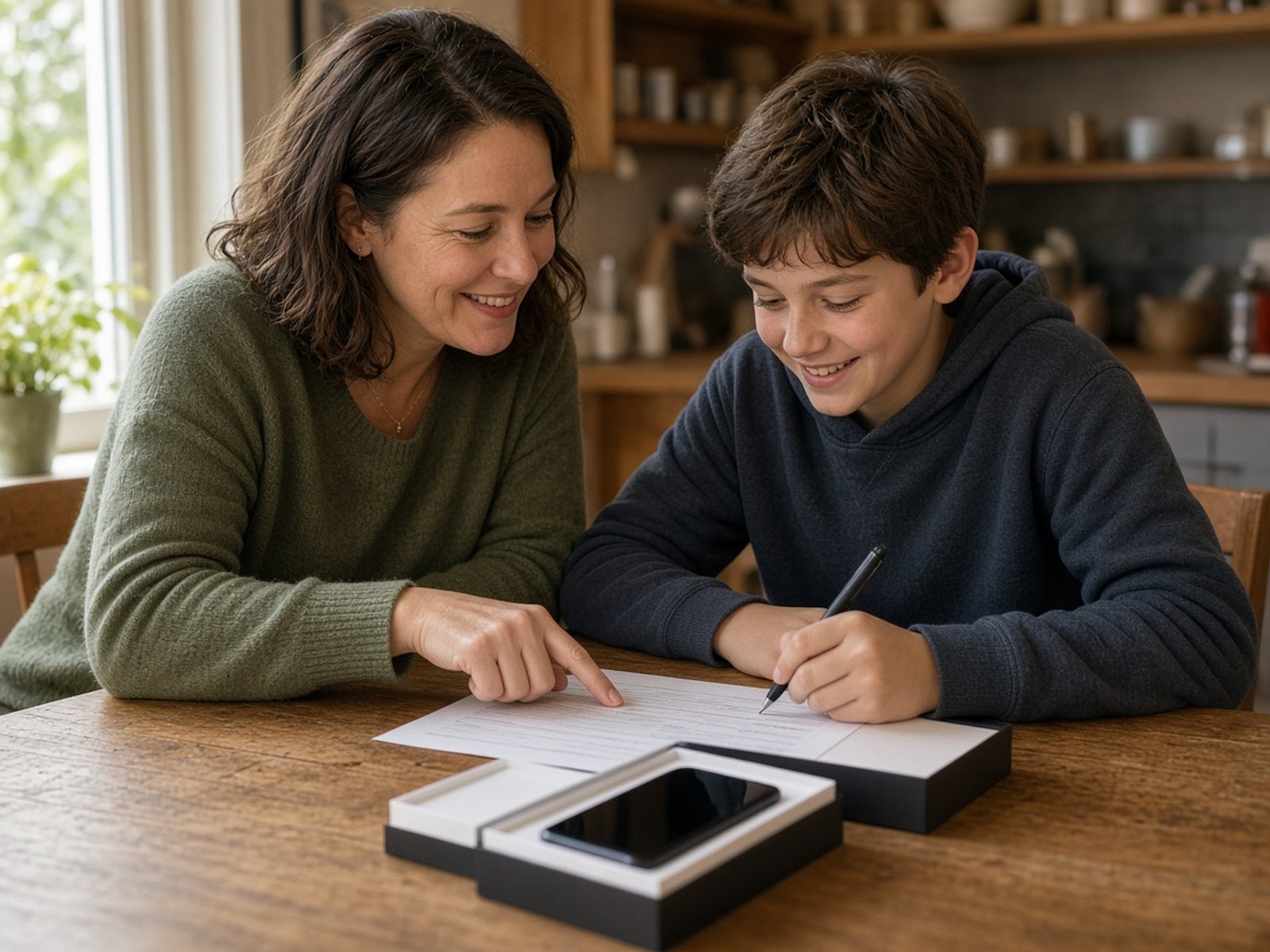
The first phone talk, and a family agreement that actually holds up
Handing over a first phone is less about the device and more about the deal around it. Here's how to set one up together, what the research says about social media, and a printable agreement to start from.

School Years
Kids and video games: how much is too much, and when it's a real problem
For most kids, moderate gaming is fine and can even be good. The warning sign isn't the number of hours, it's when gaming starts crowding out sleep, school, friends and family.

Teens
How to talk to your teen about sex (without either of you dying of embarrassment)
Talk early, often and honestly. Teens whose parents talk with them about sex tend to make safer choices. Your values belong in the conversation, and so do the facts.

School Years
Teaching kids about money: allowance, saving and spending by age
Kids learn money by handling it. Start with coins and choices in preschool, an allowance with saving jars in the school years, and real budgets and a bank account by the teen years.

Emotional Development
Body image and eating disorders: what to say, what to skip, and when to worry
Kids pick up how to feel about their bodies from the world, their phones and the dinner table. Here's how to build a healthier relationship with food and bodies at home, and the signs that mean it's time to get help.

Teens
Vaping, alcohol, weed and counterfeit pills: the substance talk for right now
The drug talk most of us got doesn't cover fake pills sold on social media. Here's an honest, calm version for today's tweens and teens, built on connection instead of scare tactics.

Communication
When your kid sees porn: how to talk about it without shame
Most kids will run into porn online, often by accident and often younger than parents expect. A calm, shame-free conversation does more good than any filter, and the research says teens do listen.

Teens
Giving teens independence: how to let go without losing touch
Teens need growing freedom to build judgment. Hand over responsibility in steps, keep expectations clear, and focus on a relationship where they actually tell you things.

Emotional Development
Mental health warning signs in teens, and how to ask about suicide
Moodiness is normal. Some changes aren't. Here's how to tell the difference, how to ask your teen directly if they're thinking about suicide, and where to get help, including 988.

Teens
Guns and kids: safe storage, and the question to ask before playdates
If there's a gun in the home, store it unloaded and locked, with ammunition locked separately. And before your child visits another home, ask whether there are guns and how they're stored.

Teens
Sextortion and online safety: what every parent should say before it happens
Sextortion scams target kids fast and hit hardest when kids feel they can't tell anyone. The most protective thing a parent can do is make sure their child already knows: come to me, and I will help first.

Teens
Staying close to a teenager who seems to want distance
Teens pull away for good developmental reasons. The research suggests the parents who stay most connected are the ones teens trust to stay calm.


The weekly letter
The “Repair After a Blowup” card, free.
A one-page printable for the fridge, plus one short research-backed lesson a week. No spam, unsubscribe any time.