
14 lessons
#emotions
Helping children name, feel and handle big feelings.

Co-parenting & Family
How to tell your kids about divorce, and help them through it
Tell them together if you can, keep it simple and honest, and make it clear it's not their fault. Most kids adjust well over time, especially when parents keep conflict away from them.
Emotional Development
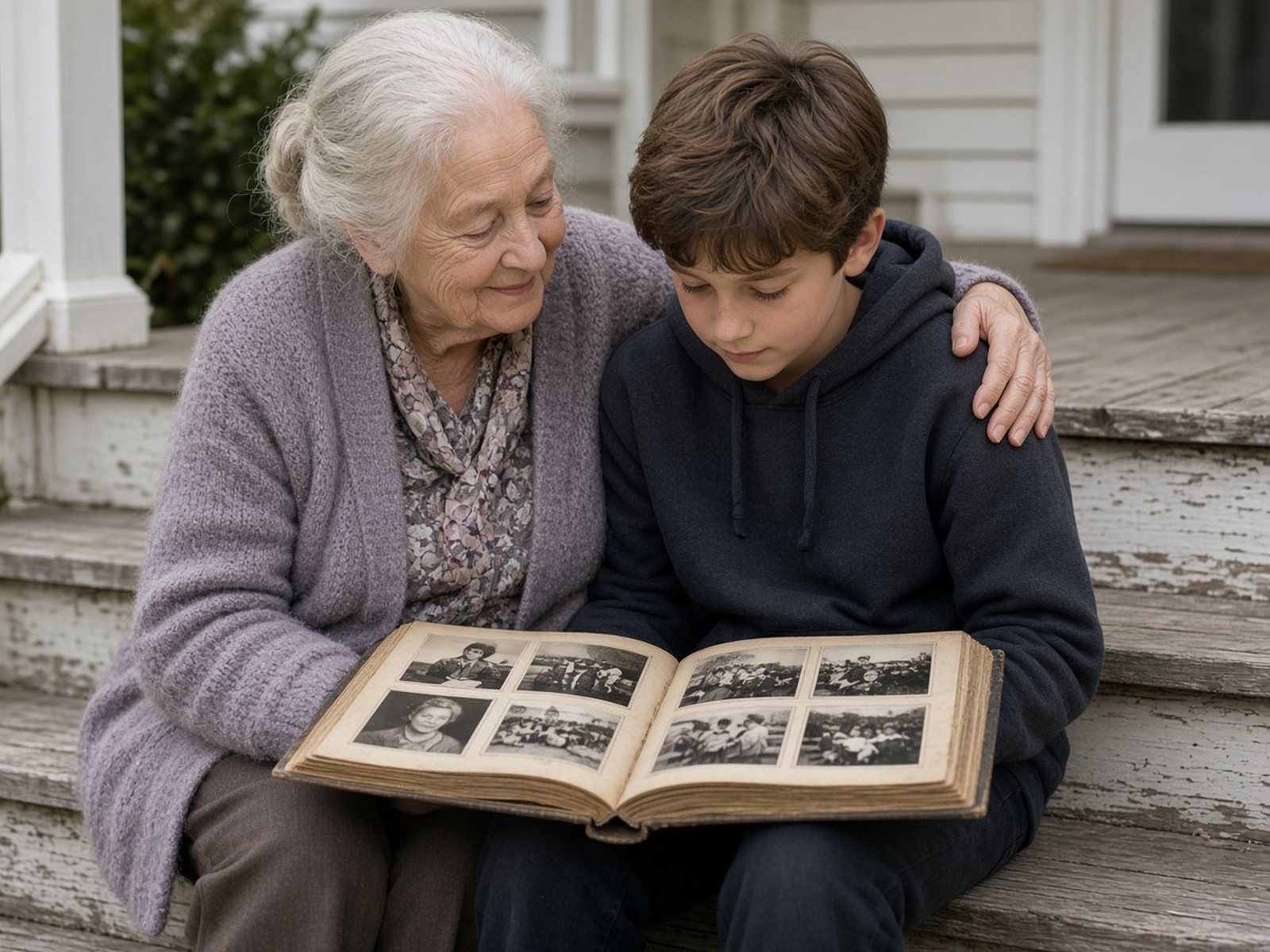
Helping kids through grief: how to talk about death and what to expect
Use clear words like "died," answer questions honestly, and expect grief to come and go. Kids grieve differently than adults, and they do best with steady, honest support.
Toddler & Preschool
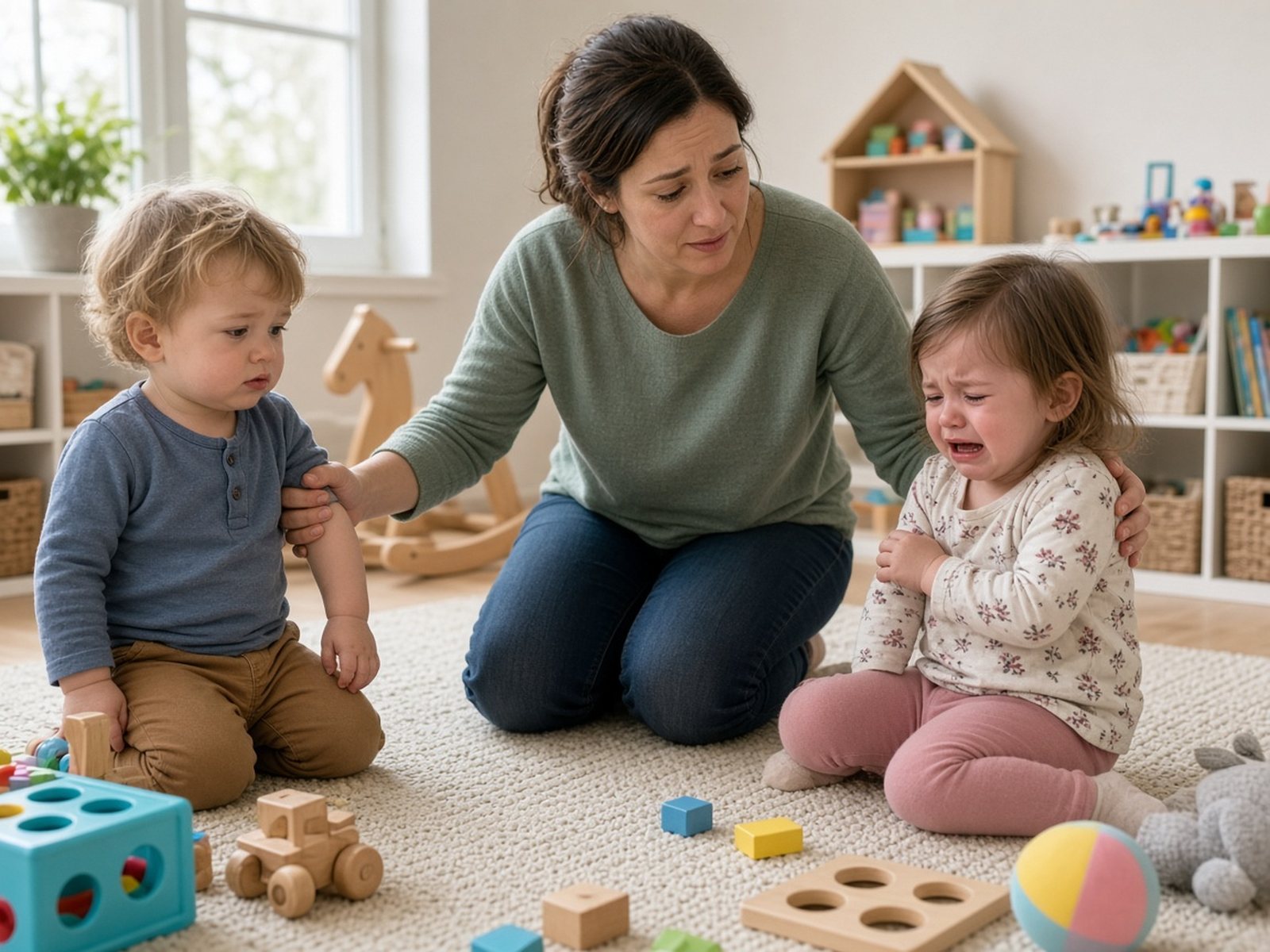
When your toddler bites or hits: what to do in the moment and after
Stop it calmly, comfort the child who got hurt, and teach what to do instead. Hitting back, biting back or yelling usually makes it worse.

Discipline Without Fear
When you lose your temper with your kids: what to do next
Every parent yells sometimes. What matters is noticing your warning signs, cooling down, and repairing with your kid afterward. Here's how, without drowning in guilt.
Emotional Development
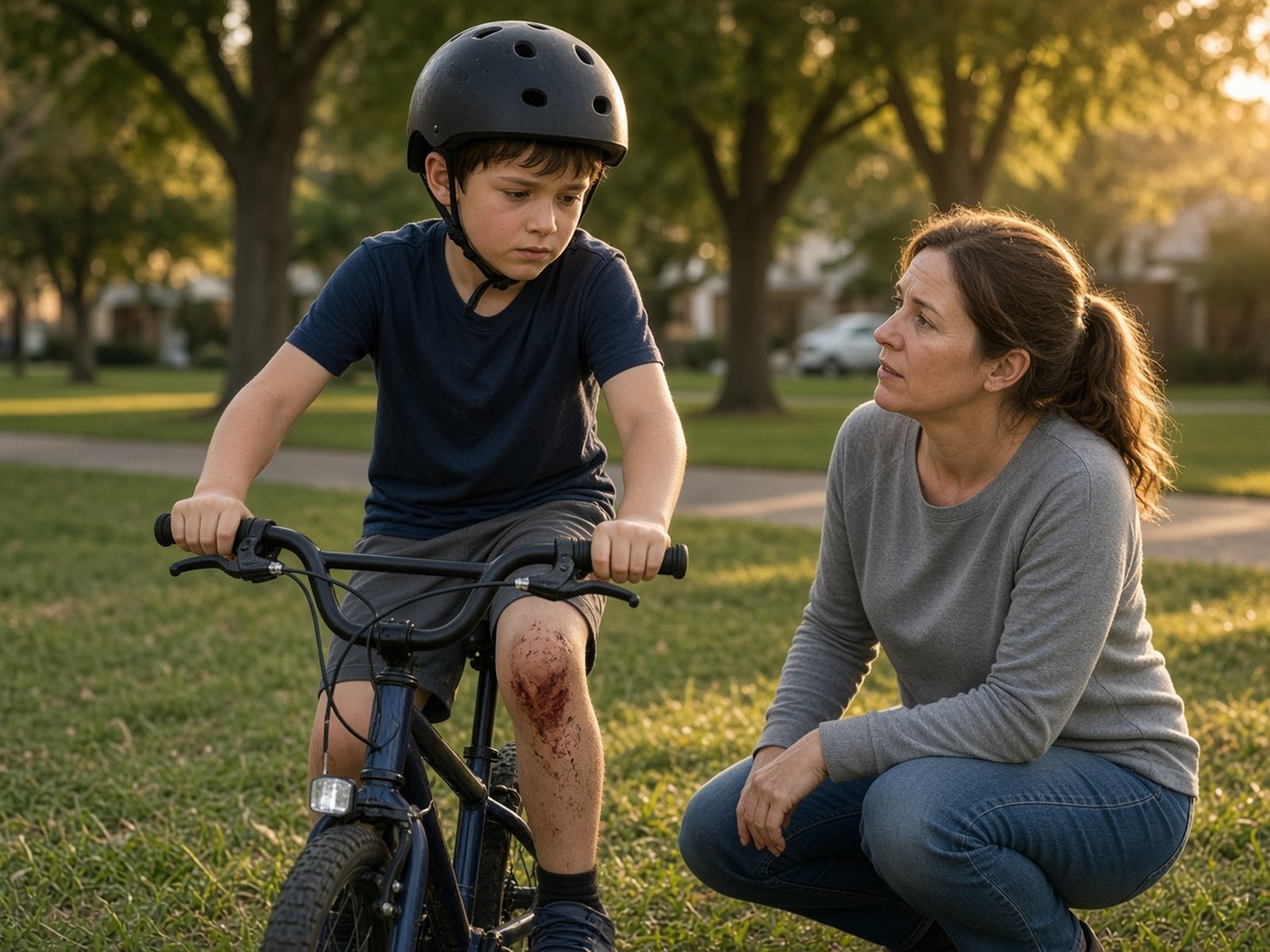
Building resilience in kids: what actually helps children bounce back
Resilience isn't a rare trait some kids are born with. It grows from steady relationships, manageable challenges, and chances to solve problems with a safety net nearby.

School Years
How to praise kids so it builds effort, not pressure
"You're so smart" can backfire. Praising effort, strategy and progress helps kids take on challenges and bounce back from mistakes. Here's the research and what to say instead.

Co-parenting & Family
Preparing your child for a new baby, and handling the jealousy after
Tell them in simple, honest terms, keep their routines steady, and expect some regression and jealousy. Making space for the hard feelings helps them come around to the baby.
Emotional Development
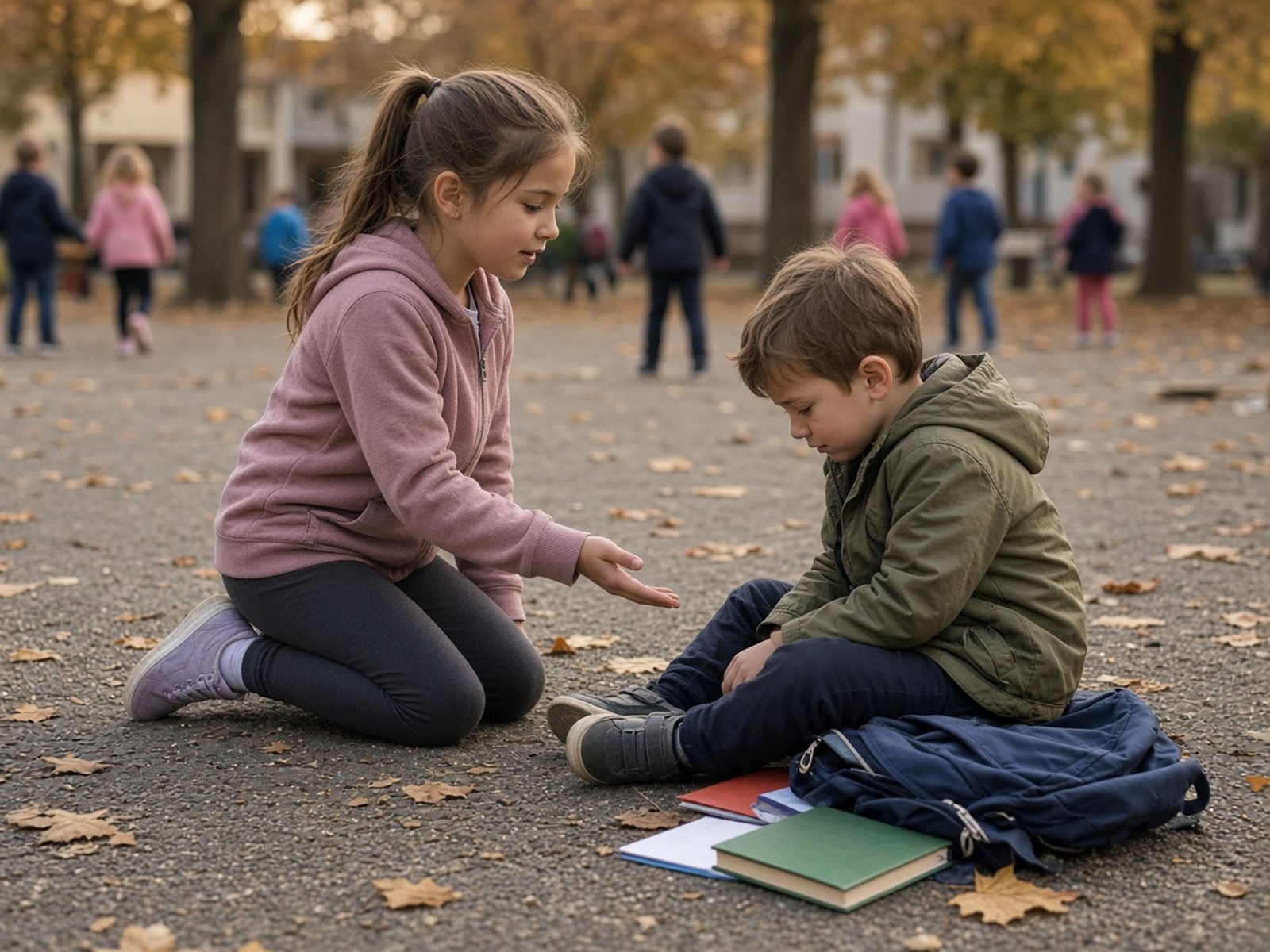
Raising a kind kid: how empathy actually grows, and what parents can do
Even toddlers try to help. Empathy grows when kids see it modeled, get to practice it, and hear that caring about others actually matters to you.
Emotional Development
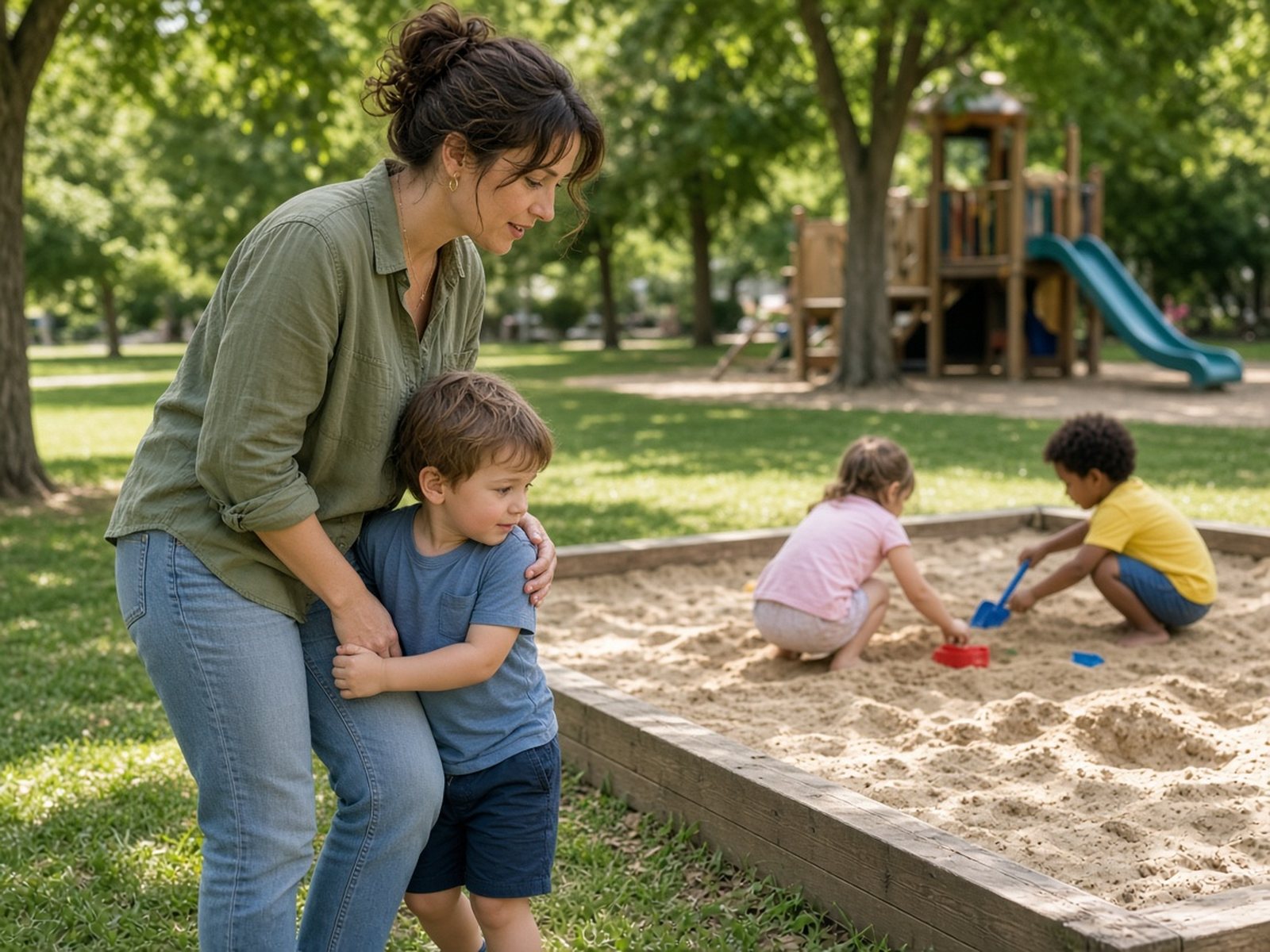
The shy child: how to help without pushing too hard or protecting too much
Shyness is a temperament, not a flaw. Shy kids do best with warm encouragement and small, steady steps, not labels, pressure, or being rescued from every new situation.

Discipline Without Fear
Time-outs vs. time-ins: what works, and how to do either one well
A short, calm time-out isn't harmful when used well, and many pediatric guidelines include it. A time-in, staying close while a child calms down, often works better for younger or very upset kids.

School Years
Kids and sports: keeping it fun, avoiding burnout, and being a good sideline parent
Kids mostly play sports for fun and friends. Pediatricians advise against early single-sport specialization, and the best sideline role is cheerleader, not coach.
Toddler & Preschool
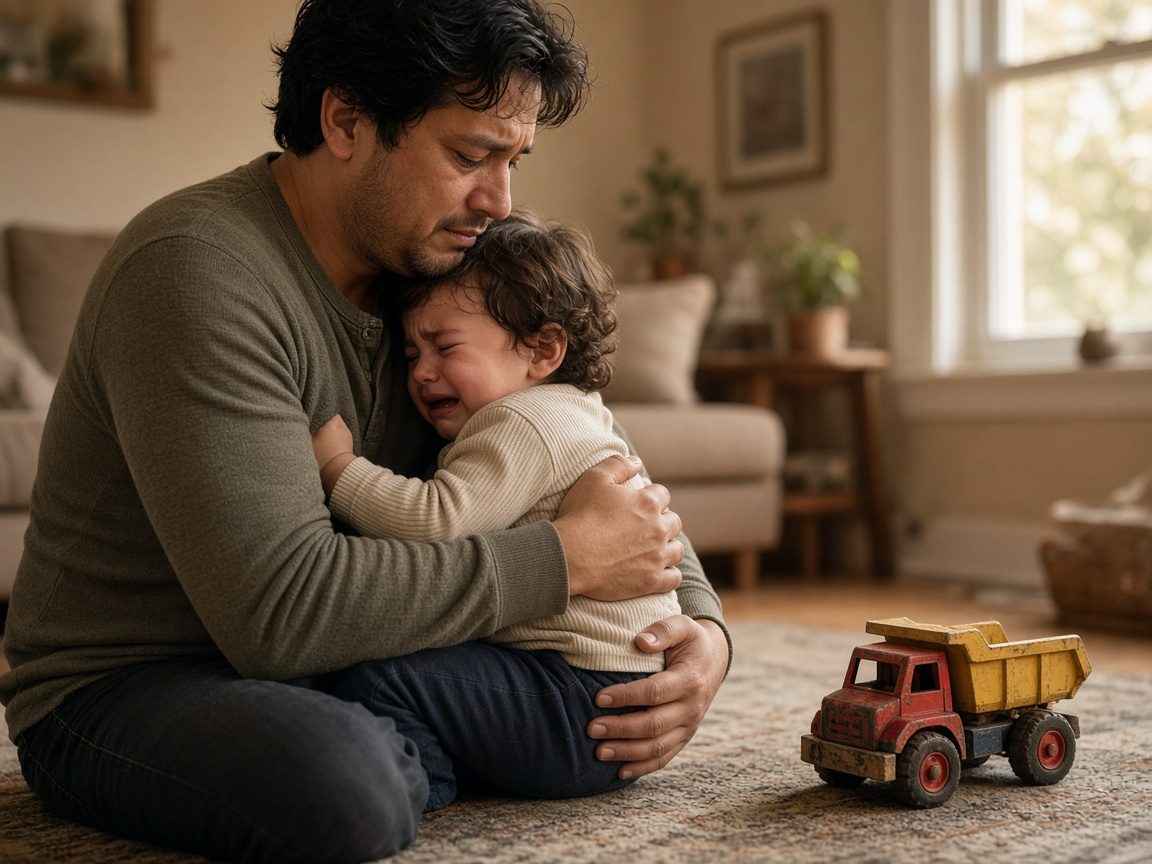
Toddler tantrums: what is going on inside, and what actually helps
Tantrums follow a surprisingly predictable pattern. Knowing the shape of one makes it far easier to stay calm and get through it.
Emotional Development
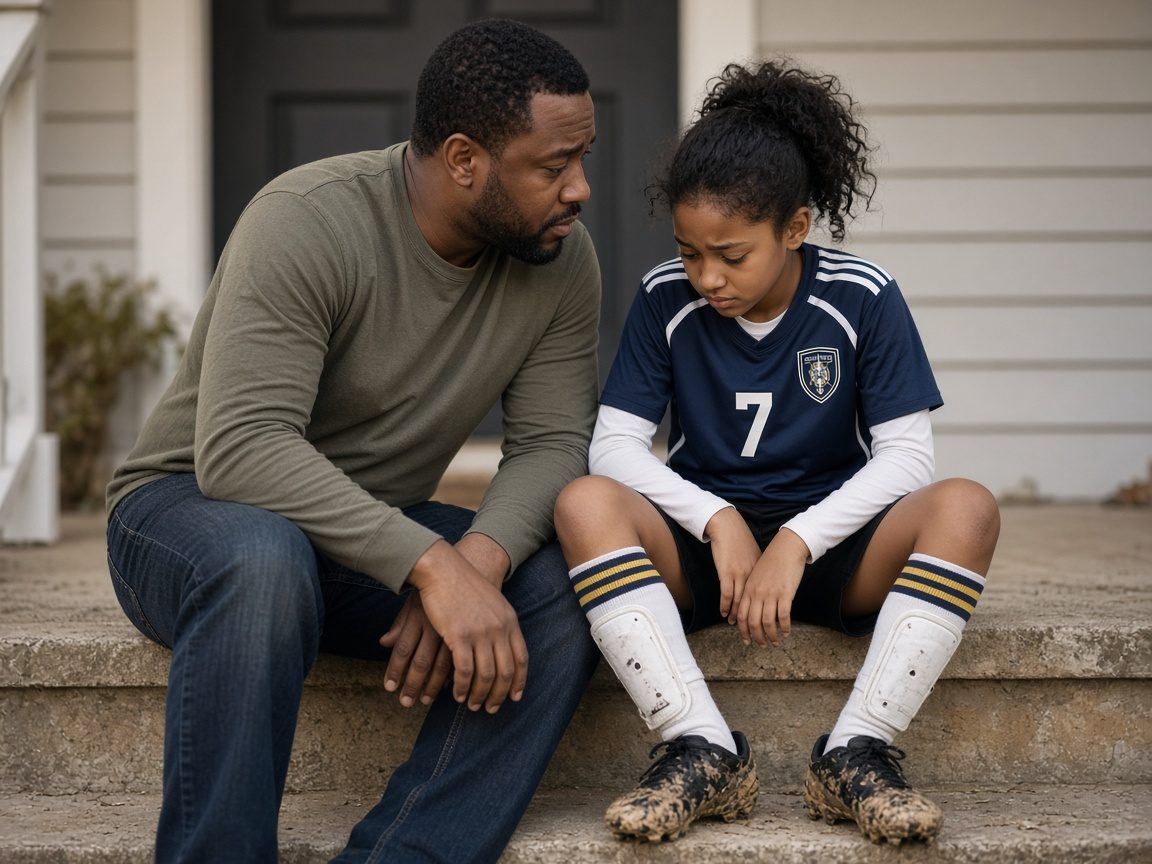
Emotion coaching: helping kids handle big feelings without squashing them
John Gottman's research found that how parents respond to sadness and anger shapes children's later skills. Here are the five steps he identified, with real examples.

Emotional Development
When your child is anxious: why less accommodation helps more
Loving parents naturally rearrange family life around a child's fears. A Yale-developed program shows that gently scaling that back, with lots of warmth, can reduce anxiety as much as therapy for the child.


The weekly letter
The “Repair After a Blowup” card, free.
A one-page printable for the fridge, plus one short research-backed lesson a week. No spam, unsubscribe any time.