
24 lessons
#communication
Scripts, questions and everyday talk that keep kids telling you things.

Co-parenting & Family
Sibling rivalry: how to handle the fighting without becoming the referee
Stop the hurting, skip the verdict, and coach them to solve it. Kids fight less when they don't have to compete for you, and when nobody is cast as the good one.

Co-parenting & Family
How to tell your kids about divorce, and help them through it
Tell them together if you can, keep it simple and honest, and make it clear it's not their fault. Most kids adjust well over time, especially when parents keep conflict away from them.

Teens
The car keys talk: how to raise a teen who owns the wheel
Phones, drinking, weed, tired drives, speeding, a car full of friends. The driving talk works best as a long series of calm conversations, plus one promise: call me, and I'll come, no questions.

Teens
Consent, dating and the warning signs of an unhealthy relationship
Teens learn what love looks like from the relationships around them. Here's how to talk about consent, respect and dating violence early, often and without the lecture.

Toddler & Preschool
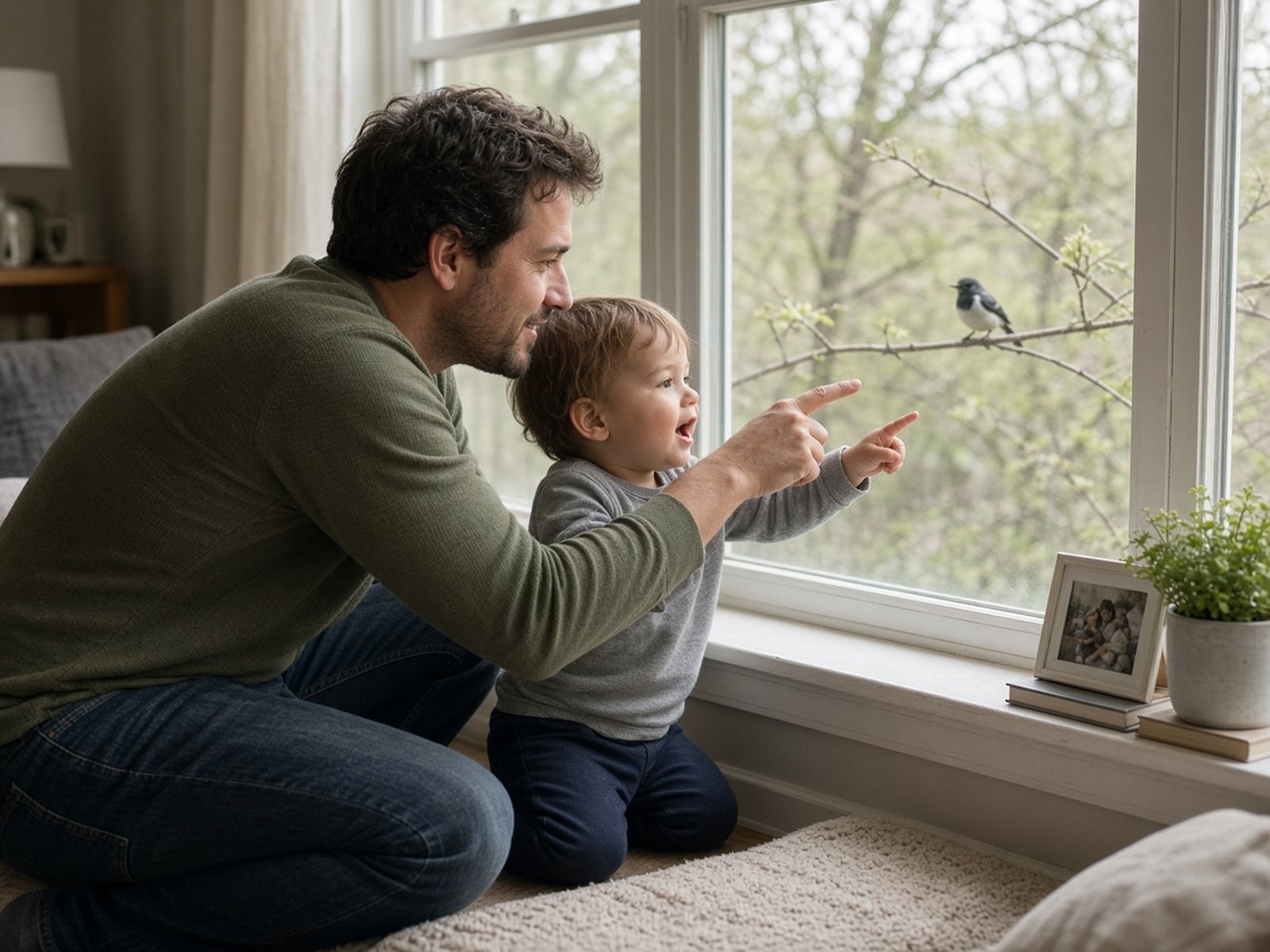
Serve and return: the everyday back-and-forth that builds a baby's brain
Your toddler points, you look and name it, they babble back. That tiny exchange, repeated thousands of times, is one of the most important things you'll ever do for their brain.
Discipline Without Fear
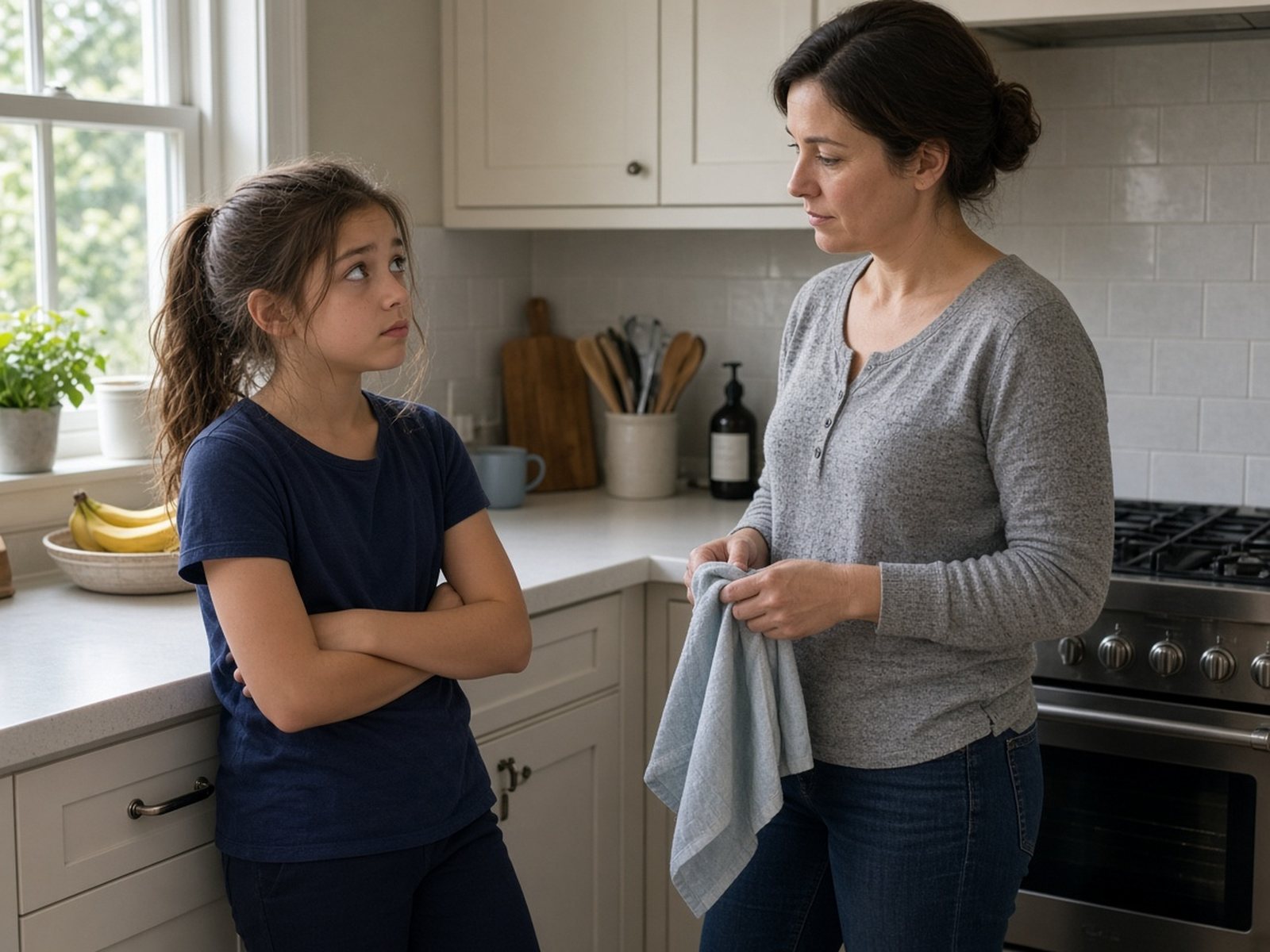
Back talk and eye-rolling: how to respond without starting a war
Back talk is annoying, but it's also a normal part of kids testing independence. Stay calm, set a clear line on disrespect, and listen for what's underneath.

School Years
Kids and AI chatbots: what parents need to know about "AI friends"
Most teens have already tried an AI companion, and some are using them for real emotional support. Here's what the research says, the risks to watch for, and how to talk about it without panic.
Emotional Development
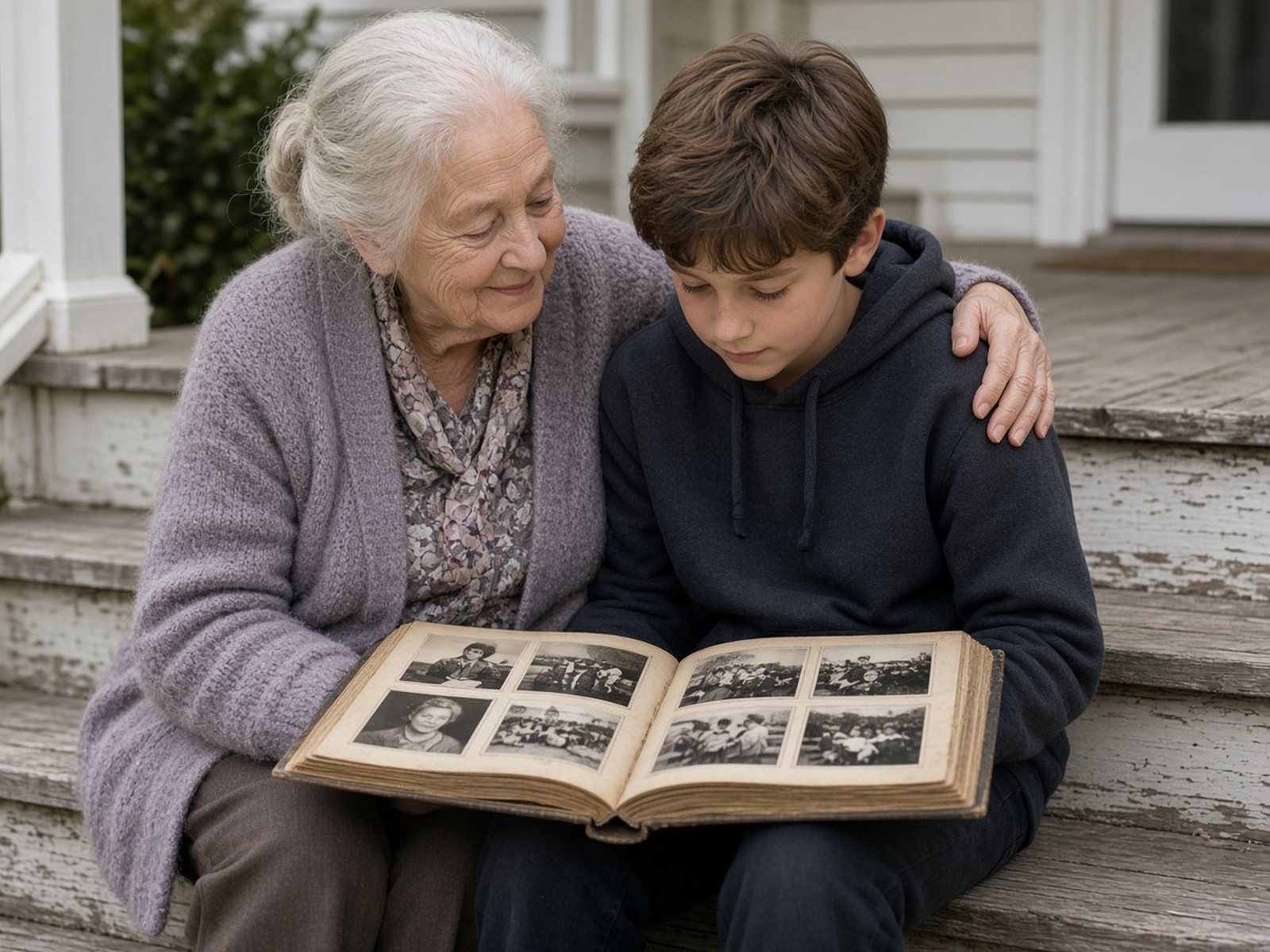
Helping kids through grief: how to talk about death and what to expect
Use clear words like "died," answer questions honestly, and expect grief to come and go. Kids grieve differently than adults, and they do best with steady, honest support.
School Years
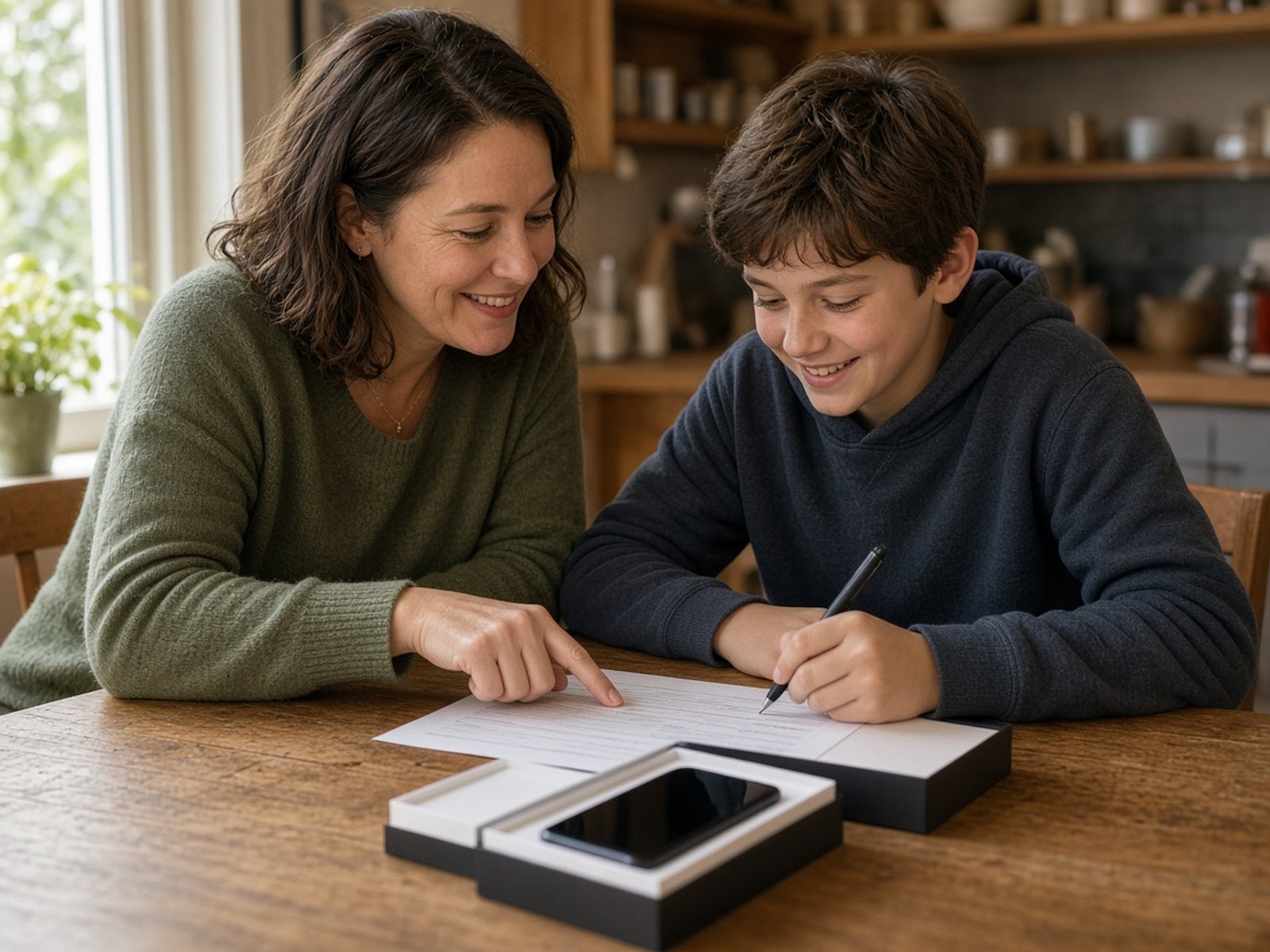
The first phone talk, and a family agreement that actually holds up
Handing over a first phone is less about the device and more about the deal around it. Here's how to set one up together, what the research says about social media, and a printable agreement to start from.

Teens
How to talk to your teen about sex (without either of you dying of embarrassment)
Talk early, often and honestly. Teens whose parents talk with them about sex tend to make safer choices. Your values belong in the conversation, and so do the facts.

Communication
The puberty talk: what to say, and when to start
Start earlier than feels comfortable, around 8 or 9, and treat it as a series of short talks, not one big one. Kids who know what's coming handle the changes with far less fear.
School Years
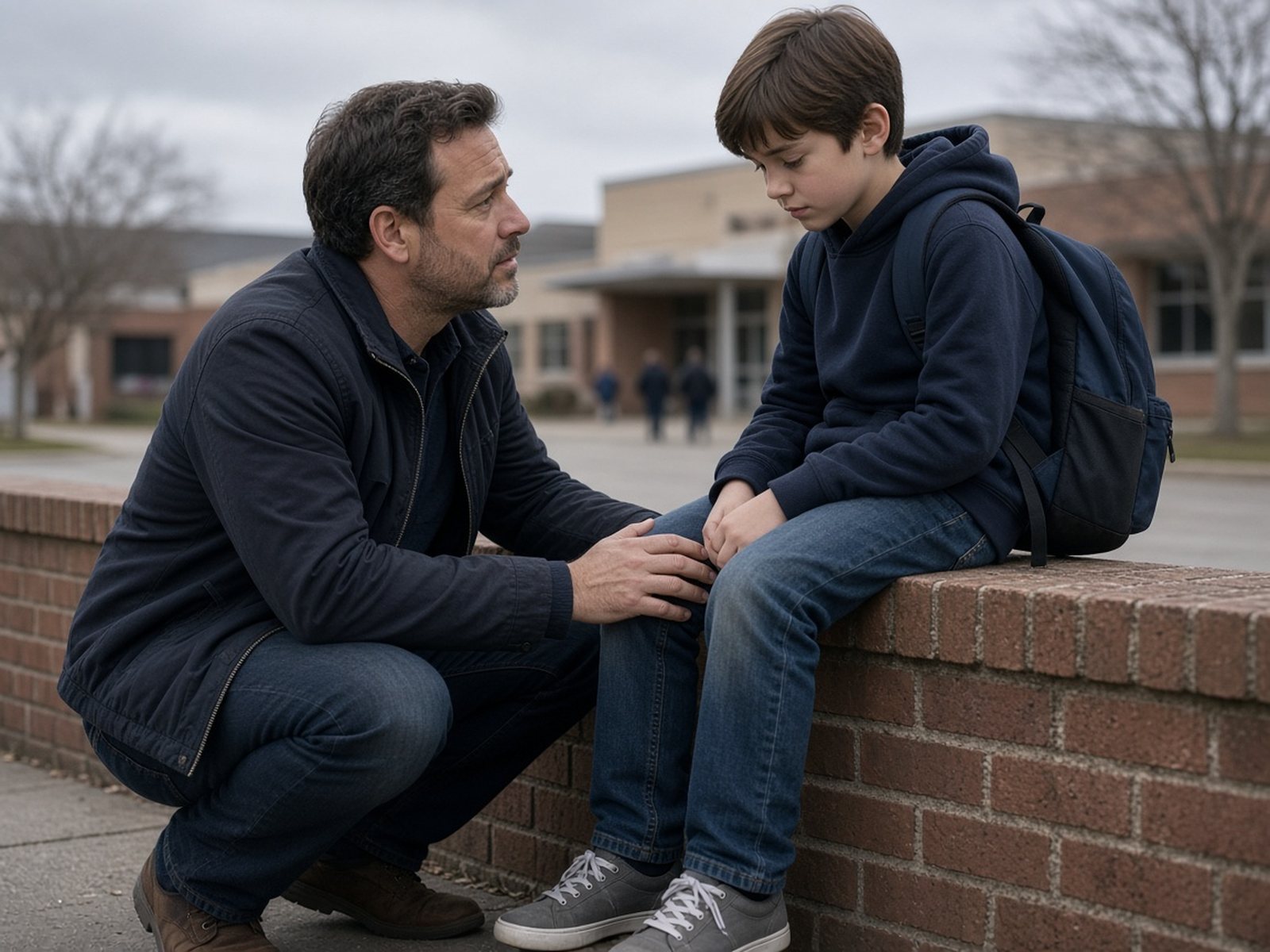
Bullying and cyberbullying: what to do when your kid is the target, or the bully
Bullying peaks in middle school and follows kids onto their phones. Here's how to help when your child is being picked on, and what to do if you find out your child is the one doing it.

Emotional Development
Body image and eating disorders: what to say, what to skip, and when to worry
Kids pick up how to feel about their bodies from the world, their phones and the dinner table. Here's how to build a healthier relationship with food and bodies at home, and the signs that mean it's time to get help.

Teens
Vaping, alcohol, weed and counterfeit pills: the substance talk for right now
The drug talk most of us got doesn't cover fake pills sold on social media. Here's an honest, calm version for today's tweens and teens, built on connection instead of scare tactics.
School Years
How to praise kids so it builds effort, not pressure
"You're so smart" can backfire. Praising effort, strategy and progress helps kids take on challenges and bounce back from mistakes. Here's the research and what to say instead.

Communication
Talking to kids about scary news: shootings, disasters, war and more
Find out what they already know, give honest answers sized to their age, limit the replay of disturbing coverage, and remind them of the people keeping them safe.

Communication
When your kid sees porn: how to talk about it without shame
Most kids will run into porn online, often by accident and often younger than parents expect. A calm, shame-free conversation does more good than any filter, and the research says teens do listen.

Toddler & Preschool
Body safety: how to talk to kids about private parts, consent and secrets
Use correct names for body parts, teach that no one should touch or look at private parts except to keep them healthy, swap "secrets" for "surprises," and make sure your child knows they can always tell you.

Emotional Development
Mental health warning signs in teens, and how to ask about suicide
Moodiness is normal. Some changes aren't. Here's how to tell the difference, how to ask your teen directly if they're thinking about suicide, and where to get help, including 988.
Toddler & Preschool
How to help your toddler talk: what works, and when to check in
Talk with them, not at them. Name things, wait for answers, read together, and keep an eye on the CDC milestones so a delay doesn't slip by unnoticed.

Discipline Without Fear
Why kids lie, and how to raise a child who tells you the truth
Lying is a normal developmental step, not a character flaw. Kids tell the truth more when honesty feels safe, and research suggests harsh punishment makes lying more likely.

Toddler & Preschool
Reading aloud to your child: why it matters and how to make it stick
Read together every day, starting in infancy, and talk about the book as you go. It builds vocabulary, closeness and a love of stories, and you can keep doing it long after they can read.

Teens
Sextortion and online safety: what every parent should say before it happens
Sextortion scams target kids fast and hit hardest when kids feel they can't tell anyone. The most protective thing a parent can do is make sure their child already knows: come to me, and I will help first.
Communication
How to listen so your kids actually keep talking to you
"How was school?" "Fine." If that exchange sounds familiar, the fix is usually less about asking better questions and more about what happens after they answer.


The weekly letter
The “Repair After a Blowup” card, free.
A one-page printable for the fridge, plus one short research-backed lesson a week. No spam, unsubscribe any time.